Enviro News Asia, Jakarta — The Supreme Court of the Republic of Indonesia held a high-level discussion with international environmental law experts to strengthen judicial capacity in handling environmental cases. The meeting took place on Tuesday, 2 December 2025, at the office of the Chief Justice in Jakarta. Senior court leaders, including the Chief Justice, the Deputy Chief Justice for Judicial Affairs, the Chief Justice of the Civil Chamber, the Chief Justice of the Guidance Chamber, and Justice Lucas Prakoso, attended the session.
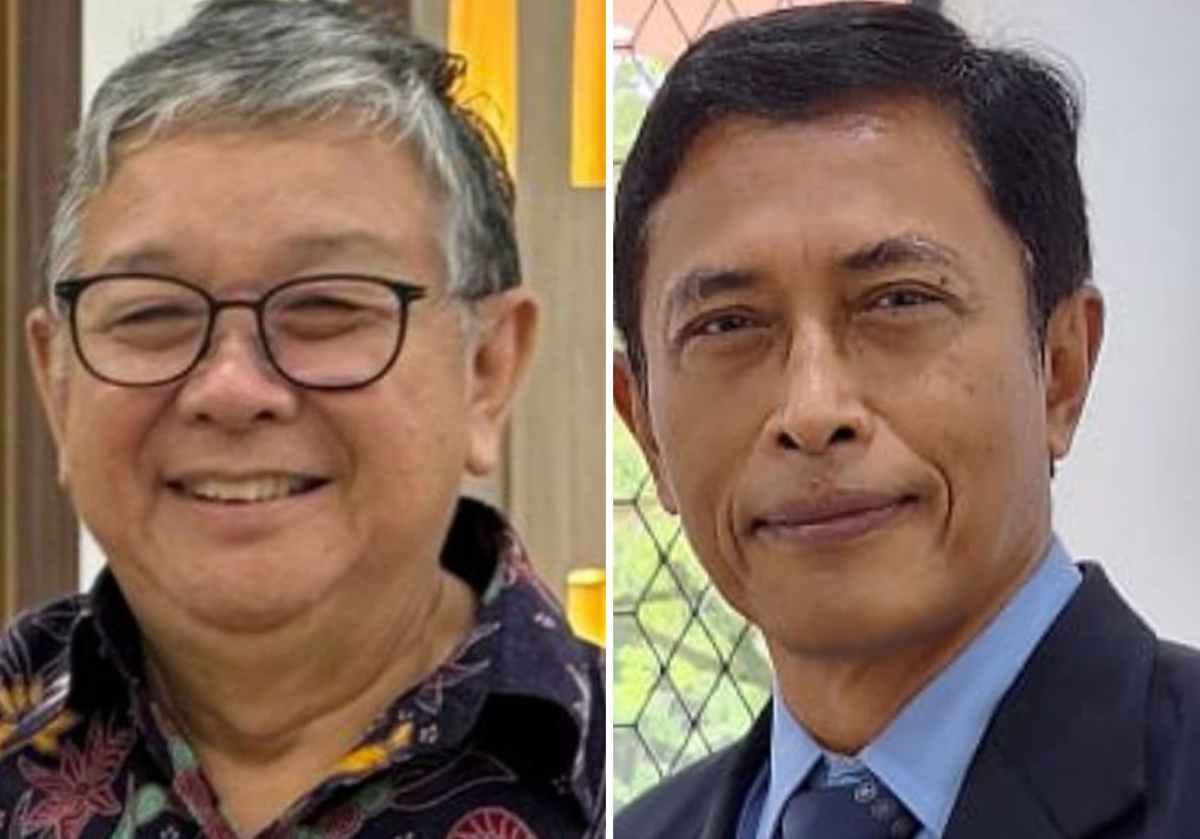
The Court invited Professor Louis Kotzé of Wageningen University to provide strategic insights on the future direction of environmental adjudication. Professor Kotzé emphasized that traditional environmental law frameworks no longer sufficiently address the escalating planetary crisis. He explained that declining multilateral action and weakening government policies have created governance gaps that courts increasingly must fill.
Professor Kotzé outlined four expanding judicial roles:
- Filling the vacuum caused by weakened multilateral systems,
- Providing avenues for citizens to hold states and corporations accountable,
- Reinforcing the environmental rule of law, and
- Establishing more progressive accountability standards.
The Chief Justice reaffirmed the Supreme Court’s proactive stance on environmental protection. He noted that Indonesia’s Constitution guarantees citizens’ rights to a healthy environment and highlighted the Court’s environmental judiciary certification program, which has trained more than 1,000 judges nationwide. He added that the Court continues to update its training curriculum to include emerging principles such as strong sustainability, ecological constitutionalism, and human-rights-based approaches. The Supreme Court expressed its readiness to pursue broader international collaboration to enhance judicial competence in complex environmental matters.
The Chief Justice of the Civil Chamber raised concerns about the persistent challenges in enforcing court rulings. He pointed out that several communities have won significant environmental lawsuits—such as large-scale air pollution cases—yet the execution of these rulings remains limited. He proposed expanding judicial training to involve ministries, local governments, and business actors in order to build shared understanding and moral responsibility for compliance.
Representatives from the Indonesian Center for Environmental Law (ICEL) introduced the International Landmarks of Environmental Decisions (ILED), an online platform that compiles influential environmental rulings worldwide. ICEL encouraged the integration of Indonesian jurisprudence into judicial training and urged the Court to re-center environmental law education on fundamental paradigms rather than solely technical matters.
The discussion concluded with several agreed follow-up actions:
- Developing a collaborative curriculum between the Supreme Court and environmental institutions,
- Integrating themes such as strong sustainability, ecological rule of law, human rights, vulnerable communities, and scientific evidence assessment,
- Applying interactive and cross-sectoral learning methods,
- Preparing joint training modules focusing on implementation of rulings, including air-pollution case studies, and
- Updating environmental training materials beginning January, supported by a joint working group for continuous evaluation. (*)