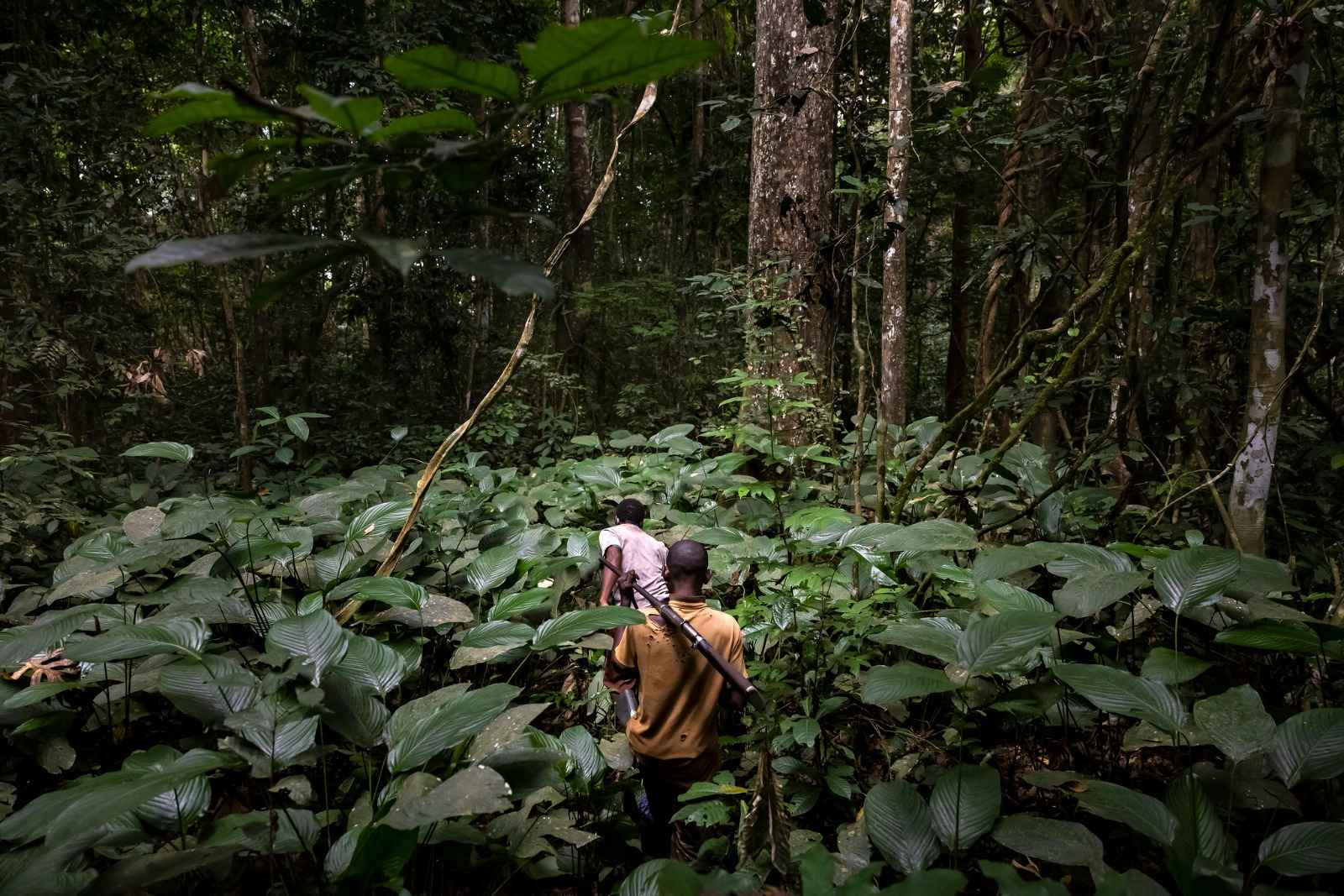
Enviro News Asia, Rome – A new report launched by the Sustainable Wildlife Management (SWM) Programme highlights the critical role wildlife plays in supporting the livelihoods, nutrition, and cultural practices of millions of people across tropical and subtropical regions of Africa, Latin America, and Asia, while offering practical tools for governments, non-governmental organizations, and community leaders to develop sustainable, community-based wildlife management approaches.
Titled “A Practical Guide to Understanding Community Hunting Systems in the Tropics,” the publication presents tools for carrying out a comprehensive diagnosis of local hunting systems as an essential foundation for developing community-based sustainable hunting management plans. The tools draw on field experience from 16 countries where the SWM Programme operates, a partnership between the Food and Agriculture Organization of the United Nations (FAO), the Centre for International Forestry Research and World Agroforestry, the Wildlife Conservation Society, and the French Agricultural Research Centre for International Development.
“By aligning conservation goals with the needs of local communities, it is possible to foster a mutually beneficial relationship between people and nature, ensuring the protection of biodiversity while supporting the livelihoods of those who depend on it,” said FAO Assistant Director-General and Forestry Division Director Zhimin Wu.
Wild meat provides an essential source of protein, fats, and micronutrients, particularly in areas where alternative food sources are limited, and for many indigenous peoples and rural communities, wildlife use is central to culture, community identity, and well-being. However, unsustainable hunting, habitat loss, and poorly regulated trade are placing growing pressure on wildlife populations, threatening food security and ecosystem health.
The guide offers a comprehensive framework for understanding the specificities of community hunting systems across tropical regions, covering governance structures for wildlife management, local knowledge and practices, hunting patterns and targeted species, existing value chains, and the ecological sustainability of wildlife use. It identifies community-based sustainable wildlife management as a key strategy that places local communities at the center of wildlife governance, often through co-management arrangements involving governments and civil society, combining traditional knowledge with scientific methods.
When well-designed, such approaches can transform wildlife into a sustainable resource, offering a reliable source of food and income through regulated hunting, fishing, and harvesting. The publication also provides tools to evaluate whether enabling conditions for sustainable management are in place and to identify management models tailored to local contexts.
The guide is the first in a three-part series. A second volume, focusing on implementing community-based wildlife management following the diagnostic phase, and a third on ensuring the economic sustainability of such initiatives, are both scheduled for release later in 2026. Together, the three volumes aim to support long-term, community-led solutions that protect wildlife while strengthening the well-being of the people who depend on it. (*)