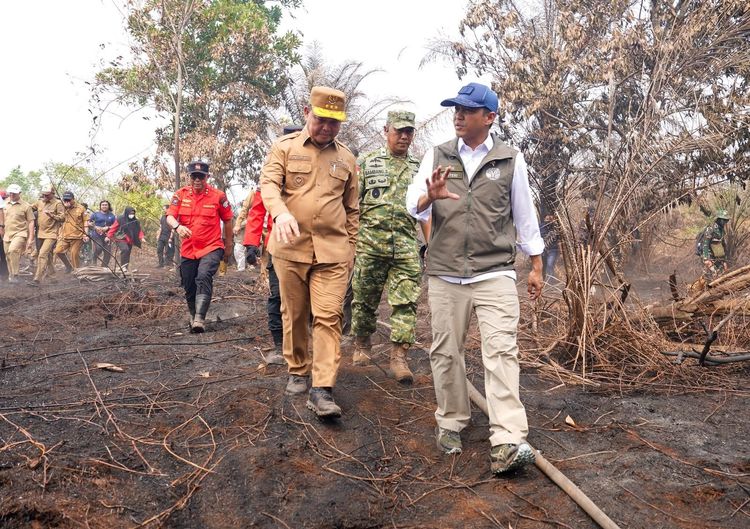
Wildfire is not just fire in the forest. Wildfires are complex natural disasters driven by heat, fuel, wind, and human activity. In this video, we explain what wildfire really is, how forest fires start, and why wildfires today are becoming more destructive than ever before.
Forest fires can begin from lightning strikes, campfires, cigarettes, or land clearing. Once ignited, dry vegetation becomes fuel, wind accelerates the flames, and fires can spread faster than most people expect. Wildfires don’t move slowly—they jump, climb, and even create their own wind systems.
Not all wildfires are harmful. In some ecosystems, fire plays an important natural role by clearing old vegetation and returning nutrients to the soil. However, climate change, deforestation, and frequent human-caused fires have disrupted this balance. Today’s wildfires burn hotter, spread wider, and last longer—damaging soil, ecosystems, and communities.
After the flames disappear, the impacts remain. Without trees and roots, landscapes become vulnerable to floods, landslides, and water pollution. Smoke from wildfires can travel thousands of kilometers, affecting air quality, human health, and even global climate patterns.
This Enviro Fact episode helps you understand why wildfire is not just a forest issue—but a global environmental challenge that affects us all.
If you want to learn more about nature, climate, and environmental facts, make sure to watch our other Enviro Fact videos on this channel. Don’t forget to like, subscribe, and share this video so more people can understand what’s really happening to our planet.