Bandung — Indonesia possesses significant potential in Rare Earth Elements (REE), locally known as Logam Tanah Jarang (LTJ), but the country still faces major challenges in technology development, research infrastructure, and human resource capacity to optimize its utilization.
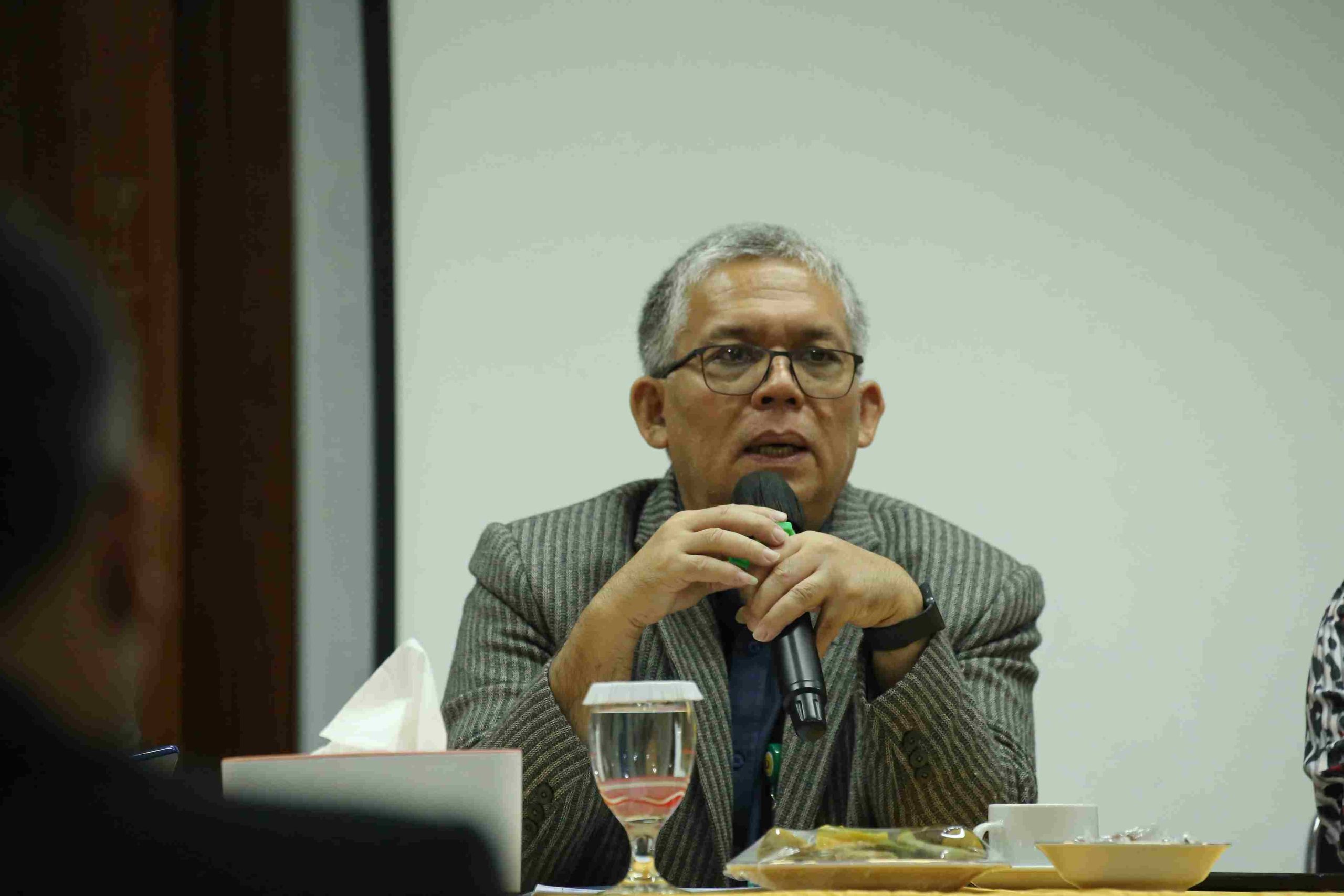
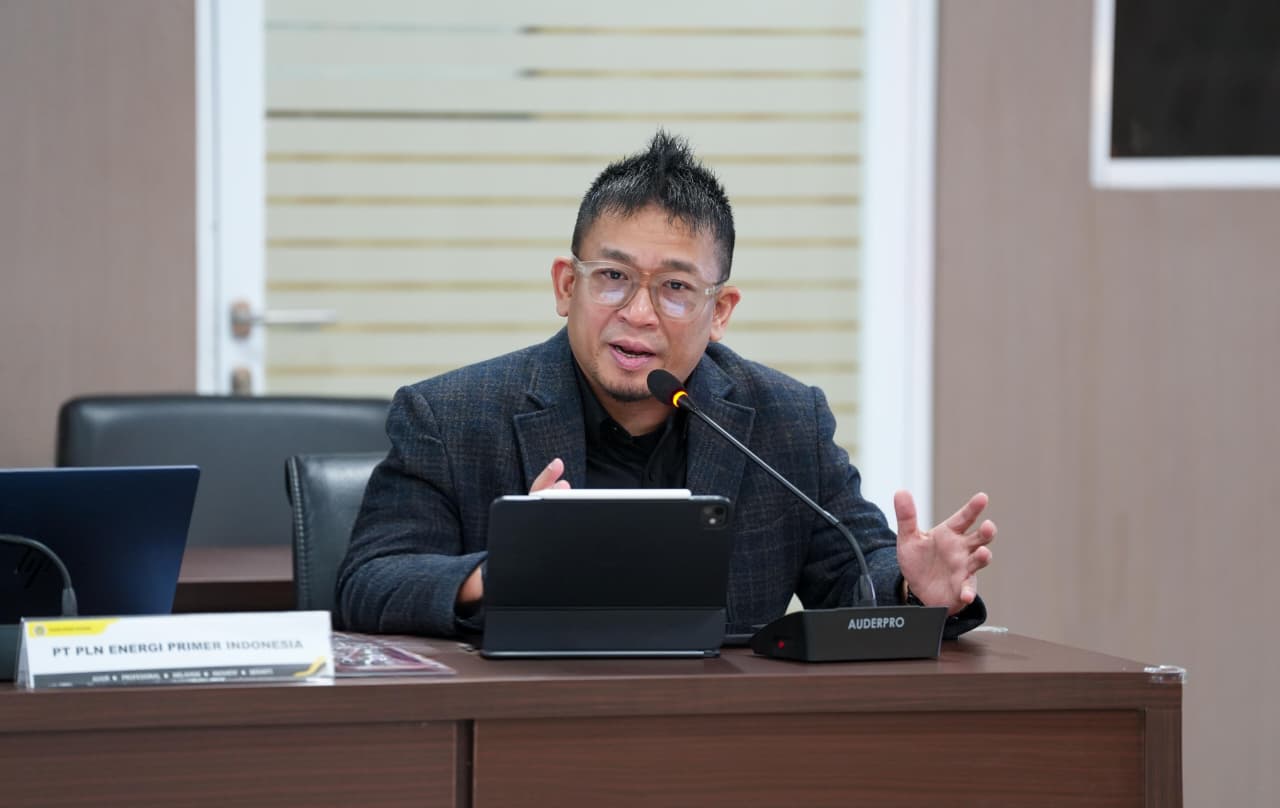
The statement was delivered by Head of the Geological Resources Research Center (PRSDG) of the National Research and Innovation Agency (BRIN), Iwan Setiawan, during the Webinar Lecture Series organized by the Deputy for Research and Technology Development of the Mineral Industry Agency (BIM) on Wednesday (13/5).
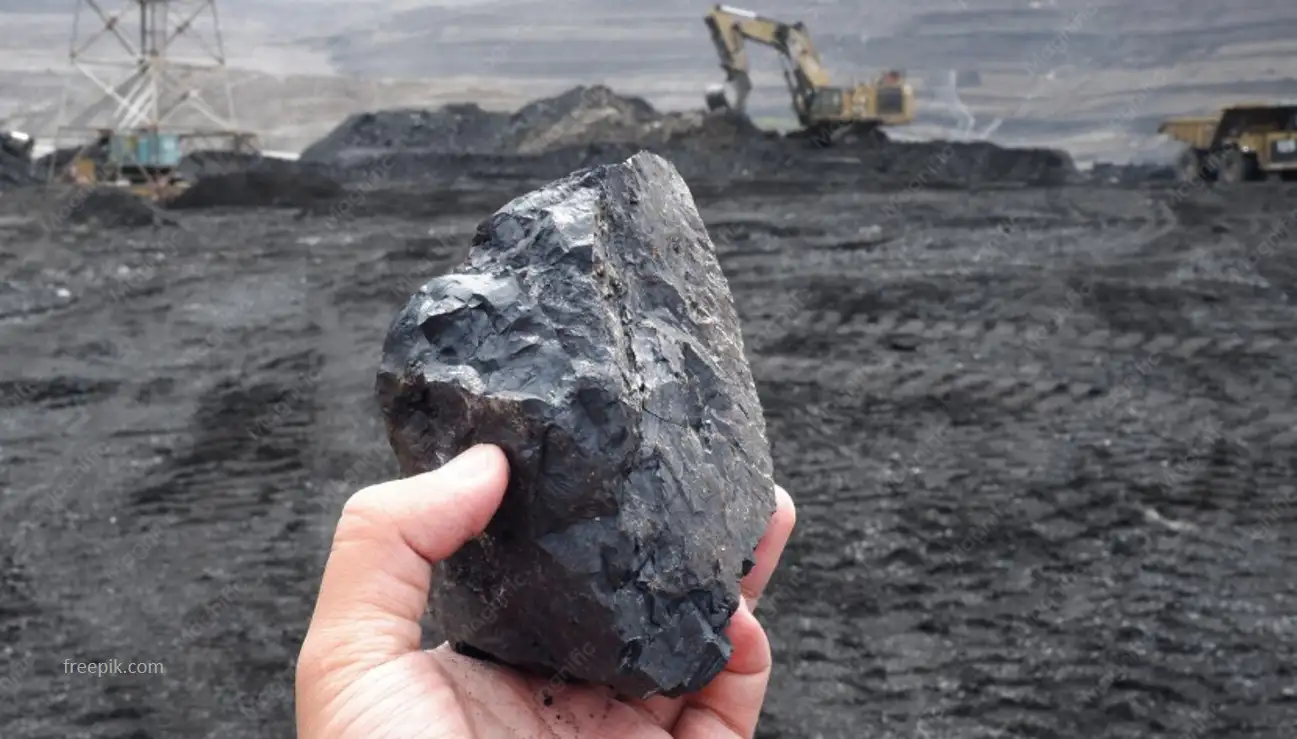
According to data from Indonesia’s Ministry of Energy and Mineral Resources (ESDM), the country has approximately 1.2 million hectares of REE potential distributed across Sumatra Island, West Sulawesi Province, and West Papua Province. These strategic minerals are essential components in advanced technology industries, including electric vehicle batteries, permanent magnets, renewable energy systems, and other high-tech applications.
Iwan explained that Indonesia’s REE deposits are associated with granite rocks, alkaline volcanic formations, ultramafic rocks, and ion-adsorption clay deposits rich in rare earth minerals.
“Indonesia has considerable rare earth deposits, including those derived from granitic and alkaline volcanic rocks, ultramafic formations, as well as weathered soils rich in rare earth elements,” Iwan stated.
He added that REE potential in Indonesia is commonly found as a by-product of major mineral commodities such as bauxite, tin, nickel, copper, iron, and other mineral deposits. Rare earth elements may also accumulate through hydrothermal processes, as identified in areas such as Parmonangan, Sibolga, and Bangka Belitung.
Beyond terrestrial resources, Indonesia also possesses substantial marine REE potential. Deposits of monazite and xenotime minerals carrying rare earth elements are linked to placer deposits in ancient river systems and coastal areas that remain buried beneath marine clay sediments.
According to Iwan, Indonesia’s seabed mineral resources represent a promising strategic asset that could support the country’s future energy development. He emphasized the importance of encouraging younger generations to participate in marine mineral exploration and strategic resource development.
“The potential of Indonesia’s seabed mineral resources is highly promising and could become an important part of the nation’s future energy development,” he said.
Despite the country’s abundant REE resources, Indonesia continues to face several challenges, particularly limited research and characterization equipment for sample validation and testing, as well as a shortage of experts specializing in rare earth exploration, processing, and mineral technology.
Iwan stressed that strengthening research and technological capabilities must be accompanied by policies that accelerate exploration activities in order to validate mineral resources into proven reserves.
He noted that Indonesia has the opportunity to become a leading player in the battery and magnet industries in the ASEAN region if it can effectively manage its rare earth resources through technological mastery and human resource development.
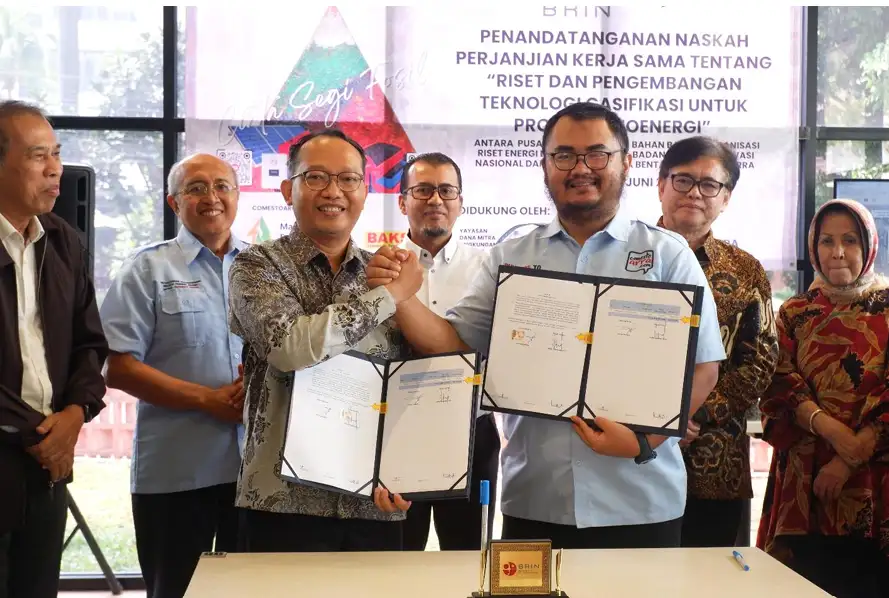
Therefore, BRIN is encouraging stronger collaboration among the government, research institutions, industry, and academia to enhance technological capabilities and accelerate the exploration of critical and strategic minerals across Indonesia.
“Collaboration between the government, BRIN, BIM, and academic institutions is essential to strengthen human resource capacity, technological mastery, and more detailed exploration activities,” Iwan concluded. (*)