Enviro News Asia, Mongolia — The United Nations has recognized three large-scale ecosystem restoration initiatives in Brazil, the Sahel and Saudi Arabia as new World Restoration Flagships, highlighting the role of land restoration in strengthening food security, climate resilience and livelihoods.
The initiatives were announced by the UN Environment Programme (UNEP) and the Food and Agriculture Organization of the United Nations (FAO) during a high-level event at the 17th Session of the Conference of the Parties to the UN Convention to Combat Desertification (UNCCD COP17) in Ulaanbaatar on August 26, 2026.
Together, the three initiatives aim to restore nearly 5 million hectares of degraded land by 2030, equivalent to almost 7 million football fields. Their combined targets contribute to the broader global ambition of restoring 1 billion hectares by 2030.
UNEP Executive Director Inger Andersen said restoring healthy land can help address the combined pressures of climate change, drought, desertification and threats to food systems.
The recognition comes as countries face growing pressure to improve land productivity while protecting ecosystems and strengthening the resilience of communities dependent on natural resources.
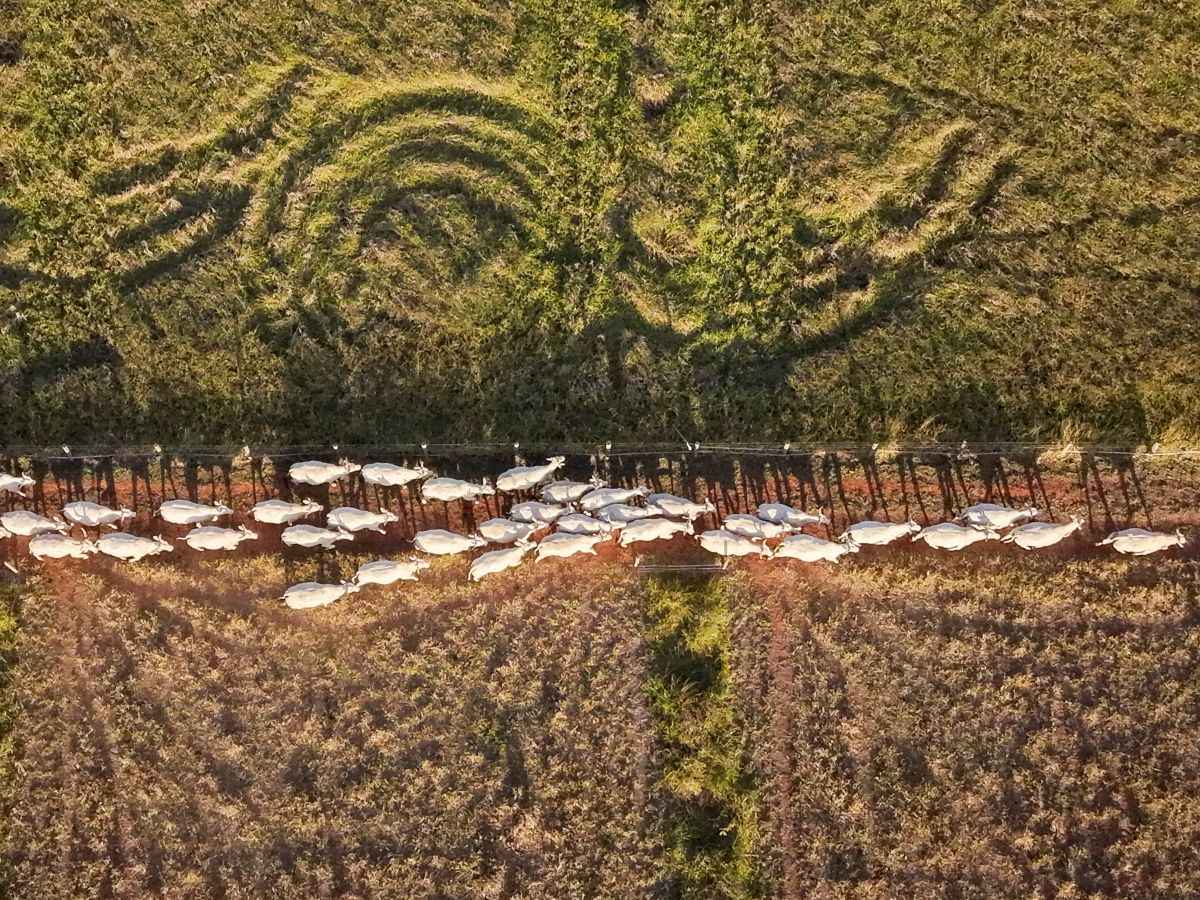
In Brazil, the Araticum Initiative is restoring the Cerrado, one of the world’s most biodiverse tropical savannah ecosystems. The initiative brings together more than 180 organizations, Indigenous Peoples, local communities, farmers, researchers and government institutions across nine states.
Restoration activities include natural regeneration, direct seeding, agroforestry and the use of native plant species. By June 2026, more than 27,000 hectares had been placed under restoration, with seeds from more than 150 native plant species collected and used in restoration activities.
The initiative aims to expand restoration efforts to 2 million hectares by 2030.
In Saudi Arabia, the National Greening Program is targeting degraded rangelands, forests, deserts, urban areas and coastal ecosystems, including mangrove habitats.
The programme aims to restore 2.5 million hectares and plant 215 million trees by 2030, while potentially creating up to 187,000 jobs and contributing to improved urban air quality.
By June 2026, the programme had brought 1 million hectares of degraded land under restoration and planted 159 million trees.
Its restoration measures include reforestation, natural regeneration, controlled grazing, the reintroduction of native wildlife, rainwater harvesting and the use of treated wastewater in water-scarce landscapes.
The third flagship covers the Sahel, where land degradation, drought, conflict, food insecurity and climate change are placing increasing pressure on ecosystems and communities.
The Sahel Integrated Resilience Initiative operates across Burkina Faso, Chad, Mali, Mauritania and Niger. Led by the UN World Food Programme, the initiative combines land rehabilitation, soil and water management, livelihood support and school feeding programmes.
More than 335,000 hectares of degraded land had been restored by June 2026, with the programme targeting 470,000 hectares by 2030. More than 4 million people across the region have benefited from the initiative, including communities supporting cross-border refugees from war-affected Sudan.
The three initiatives join 24 other restoration programmes previously recognized under the UN Decade on Ecosystem Restoration, bringing the total number of World Restoration Flagships to 27.
The UN said the flagship initiatives represent examples of large-scale and long-term restoration efforts designed to deliver environmental, social and economic benefits. Their progress will be monitored through the UN Decade’s Framework for Ecosystem Restoration Monitoring.
The World Restoration Flagship programme is part of the UN Decade on Ecosystem Restoration, which runs from 2021 to 2030 and seeks to accelerate action to prevent, halt and reverse ecosystem degradation worldwide.
Countries have committed to restoring approximately 1 billion hectares of land as part of various international environmental and climate commitments. The UN said the challenge now is to ensure that restoration pledges translate into measurable improvements in ecosystems, biodiversity, food security and community resilience.
At UNCCD COP17, the focus on restoration reflects a growing recognition that degraded land is not only an environmental concern but also a threat to food production, water security, livelihoods and economic stability.
The newly recognized flagships demonstrate how restoration can be linked with agricultural productivity, employment, ecosystem recovery and improved resilience in regions facing some of the world’s most severe environmental pressures. (*)