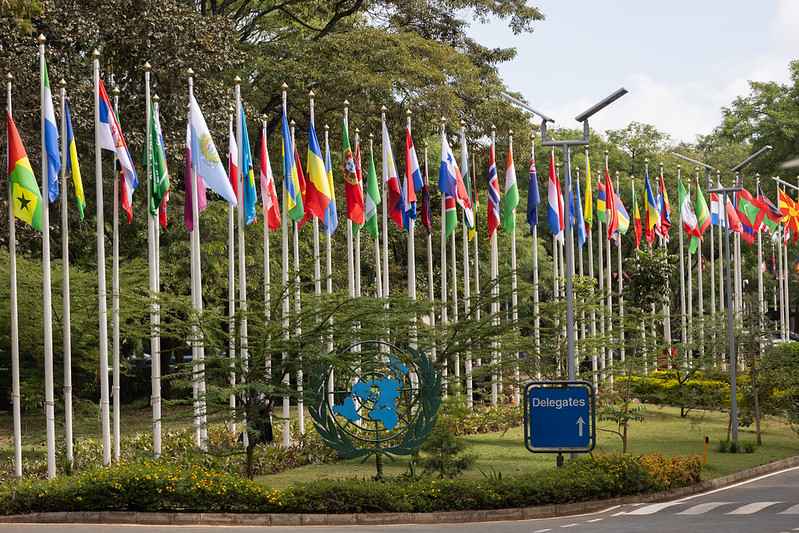
Enviro News Asia, Nairobi — The United Nations Environment Programme (UNEP) released its 2025 Annual Report in Nairobi, outlining how international cooperation delivered measurable environmental progress during the year despite persistent geopolitical tensions worldwide.
The report demonstrates that coordinated environmental action can generate substantial economic and public health benefits. UNEP’s seventh Global Environment Outlook found that stronger environmental policies could add trillions of dollars to global gross domestic product, prevent millions of premature deaths, and help lift hundreds of millions of people out of poverty and hunger.
Under UNEP’s leadership, governments established the Intergovernmental Science-Policy Panel on Chemicals, Waste and Pollution following three years of negotiations. The new panel will provide independent scientific advice to policymakers addressing pollution and waste, complementing existing global science bodies on climate change and biodiversity.
At the seventh session of the United Nations Environment Assembly (UNEA-7), Member States adopted 11 resolutions and three decisions covering issues such as critical minerals for the energy transition, glacier melt, wildfires, antimicrobial resistance, coral reef protection, and the sustainable use of artificial intelligence.
The report also noted the entry into force of the BBNJ Agreement in January 2026, marking a milestone in international law to protect biodiversity in areas beyond national jurisdiction. UNEP supported dozens of countries during the ratification process leading to the agreement’s implementation.
Through UNEP-backed initiatives, more than 170,000 square kilometres of natural areas came under protection or more sustainable management in 2025, benefiting an estimated 2.3 million people. In parallel, UNEP’s International Methane Emissions Observatory identified methane leaks from oil and gas facilities in 36 countries, prompting government action that resulted in the repair of at least 19 major leaks emitting a combined 1,200 tonnes of methane every 24 hours.
Methane transparency efforts expanded through the Oil and Gas Methane Partnership 2.0, with 150 oil and gas companies operating in more than 90 countries now reporting emissions data, representing 42 per cent of global oil and gas production.
Public engagement also featured prominently during World Environment Day 2025, hosted by the Republic of Korea, which mobilized more than 3,000 events across 155 countries focused on solutions to plastic pollution.
Despite these advances, UNEP’s scientific assessments underscored the scale of remaining challenges. The Emissions Gap Report 2025 projected global temperature rise of 2.3 to 2.5 degrees Celsius even if current climate pledges are fully implemented, exceeding the 1.5-degree target. The Adaptation Gap Report 2025 estimated that countries will require up to US$365 billion annually by 2035 to adapt to climate impacts, far exceeding current financing levels.
UNEP also continued to support environmental recovery efforts in conflict-affected regions, including the Gaza Strip, Ukraine, and Sudan, by providing technical assessments and recommendations to address environmental damage.
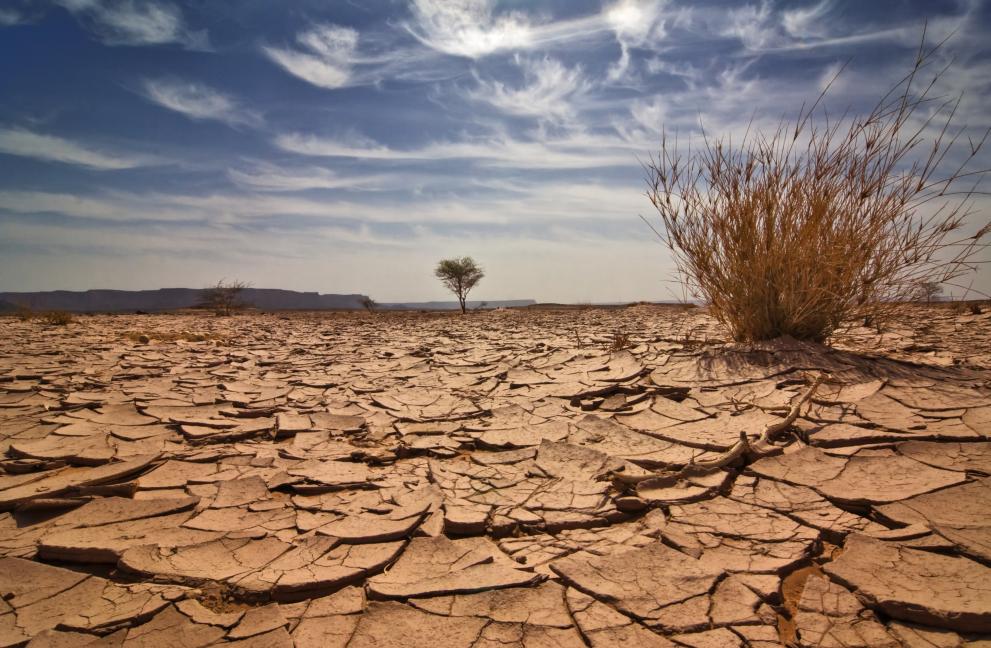
Reflecting on the year, UNEP Executive Director Inger Andersen emphasized that environmental multilateralism remained a unifying force in 2025, enabling countries to advance collective action despite geopolitical divisions. She reaffirmed UNEP’s central role in addressing climate change, biodiversity loss, land degradation, desertification, and pollution.
The Annual Report further highlighted the need for predictable and flexible financing to sustain UNEP’s mandate. In 2025, 106 Member States contributed to the Environment Fund, with a record number paying their full assessed contributions, supporting UNEP’s work across 151 countries. (*)