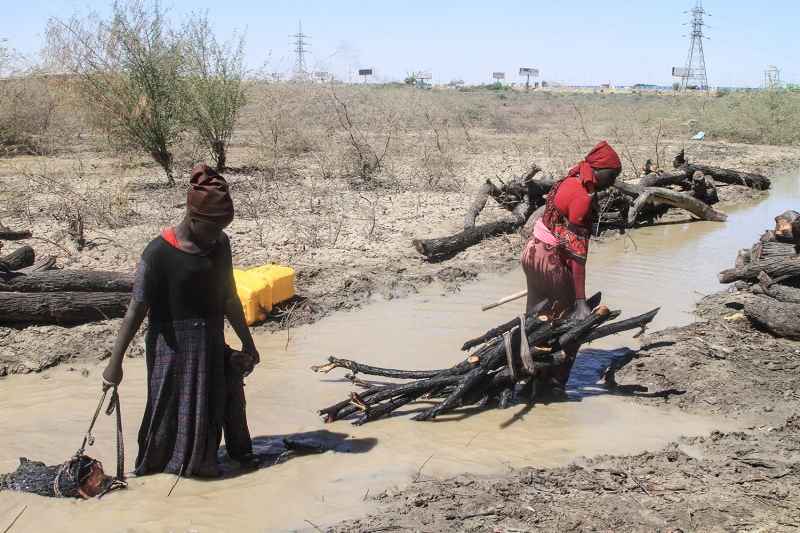
Enviro News Asia, Khartoum — The once-iconic Sunut Forest has been largely destroyed amid the ongoing conflict in Sudan, highlighting the severe environmental consequences of war as the country marks the third anniversary of its civil conflict.
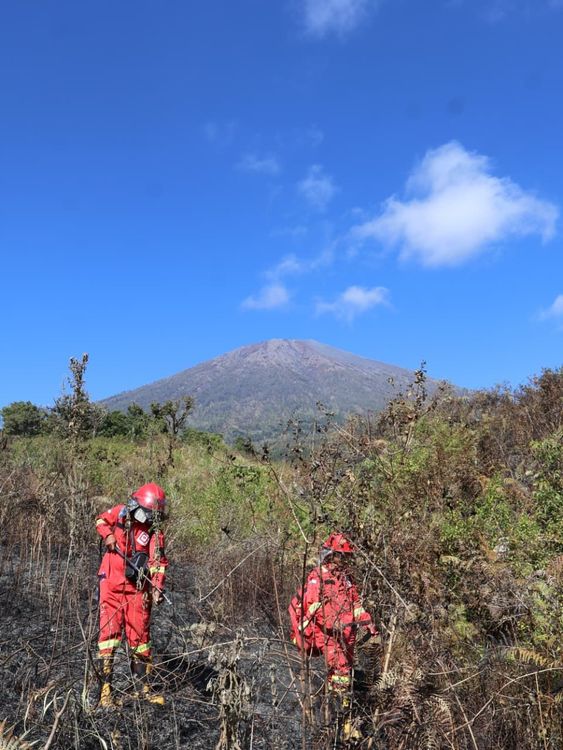
Located near the confluence of the Blue Nile and White Nile in Khartoum, the six-square-kilometre forest was once known as the city’s “lungs” due to its ecological importance. The acacia woodland served as a sanctuary for bird species and played a critical role in flood control and climate regulation.
Since the outbreak of the Sudanese Civil War (2023–present) on 15 April 2023, widespread destruction of infrastructure, economic hardship, and weakened environmental governance have accelerated deforestation. Many residents, facing fuel shortages and financial hardship, have resorted to cutting trees for firewood and income.
According to United Nations Environment Programme (UNEP), the loss of Sunut Forest represents not only an environmental crisis but also a broader climate, livelihood, and security challenge. Environmental degradation and conflict are reinforcing each other, creating a cycle that threatens long-term stability.
Experts warn that the destruction of the forest has disrupted migratory bird routes across one of the world’s key flyways and increased the risk of flooding in Khartoum, particularly as climate change intensifies rainfall patterns.
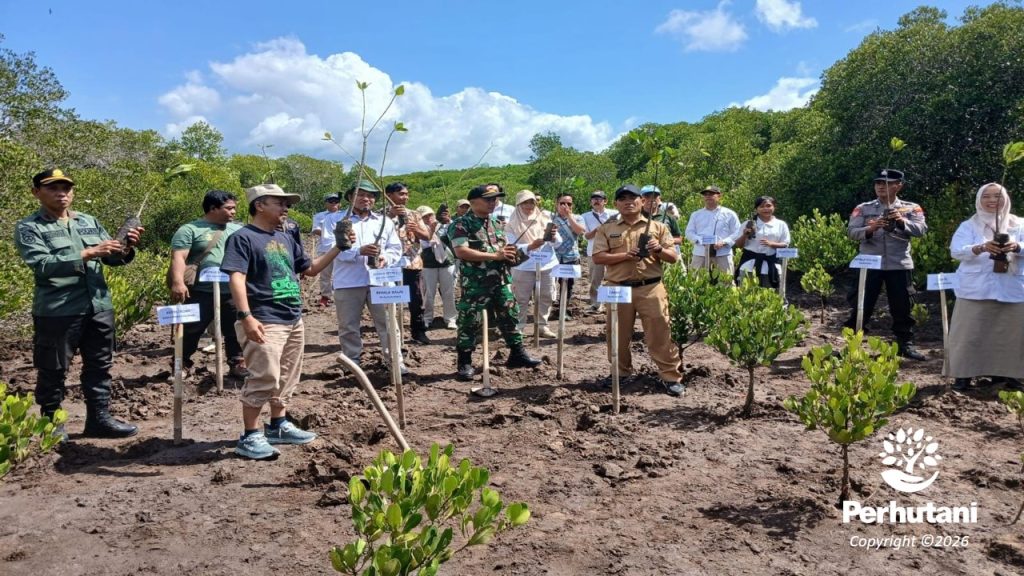
Despite the damage, observers say recovery remains possible if urgent action is taken. Restoration efforts would require protecting remaining vegetation, replanting native species, strengthening governance, and providing alternative livelihoods to local communities.
Environmental authorities note that some natural regeneration is already occurring, but without immediate protection measures, continued logging could prevent long-term recovery of the forest ecosystem. (*)