Enviro News Asia, Jakarta — The Institute for Essential Services Reform (IESR) is developing a roadmap to reduce methane emissions in Indonesia’s energy sector as the country seeks to accelerate progress toward its commitment under the Global Methane Pledge (GMP). Indonesia signed the pledge in November 2021, committing to cut methane emissions by 30 percent by 2030.
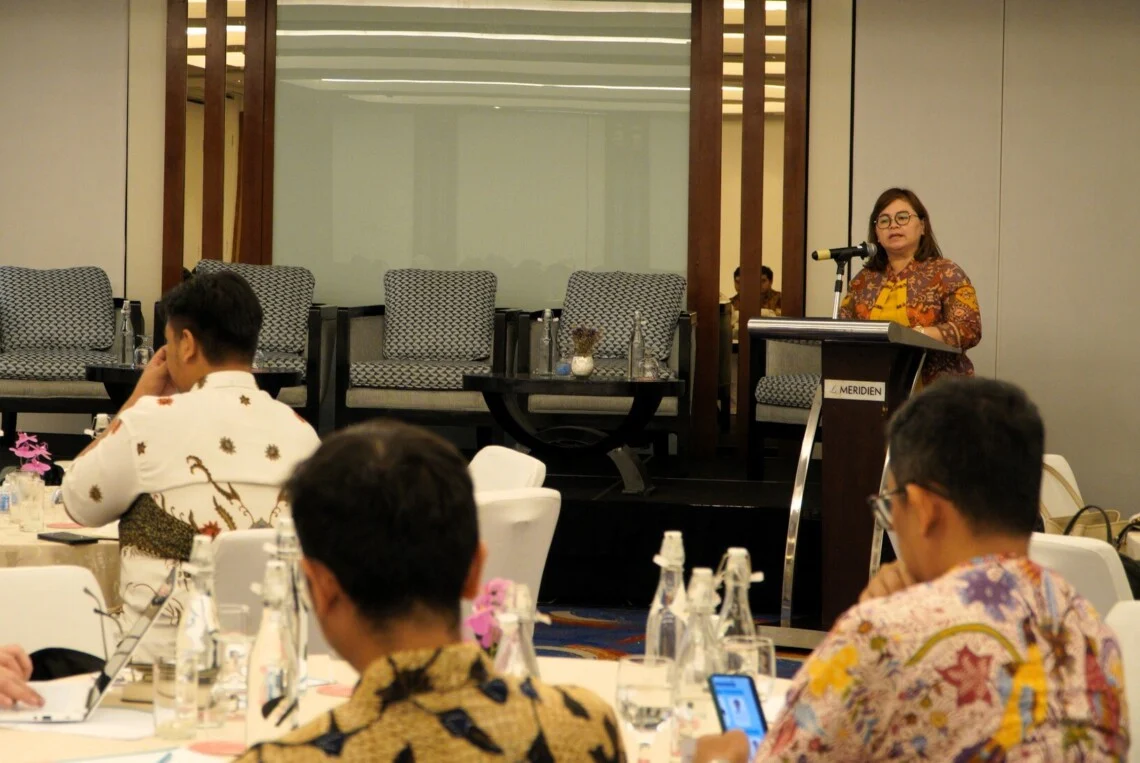
IESR Deputy Chief Executive Officer Erina Mursanti said reducing methane emissions is one of the most effective ways to slow global warming, noting that methane has around 86 times the global warming potential of carbon dioxide over a 20-year period. She said reducing methane leakage could also improve operational efficiency, strengthen corporate governance and enhance competitiveness by preventing energy losses.
The roadmap is being developed alongside efforts by the Ministry of Environment and the Environmental Control Agency (KLH/BPLH), which is preparing an Indonesia Methane Roadmap covering the waste, agriculture and energy sectors. In the energy sector, KLH/BPLH said flaring and venting account for around 74 percent of methane emissions, followed by fugitive emissions and other operational activities. The Ministry of Energy and Mineral Resources (ESDM) is also finalizing revisions to regulations on gas flaring to support Indonesia’s Zero Routine Flaring 2030 target.
IESR’s review of sustainability reports from major oil and gas and coal companies found that only around half of the companies assessed had reported Scope 3 emissions. IESR said this highlights potential sustainability and market risks as global demand increasingly shifts toward low-carbon products. A clear methane reduction roadmap, therefore, could help companies improve operational efficiency, comply with evolving market expectations and maintain competitiveness while supporting Indonesia’s climate targets. (*)