Enviro News Asia, Jakarta — Indonesia is entering an intensified dry season in early August 2026, marked by predominantly low rainfall, a widening area experiencing below-normal rainfall, and strengthening El Niño and positive Indian Ocean Dipole (IOD) conditions.
According to an assessment of weather and climate conditions for the first ten days of August 2026 prepared by A. Karsidi, based on atmospheric dynamics analyses from the Meteorology, Climatology and Geophysics Agency (BMKG) and NOAA’s ENSO Diagnostic Discussion, 535 Seasonal Zones (ZOM), or 76.5 percent of Indonesia’s seasonal areas, had entered the dry season.
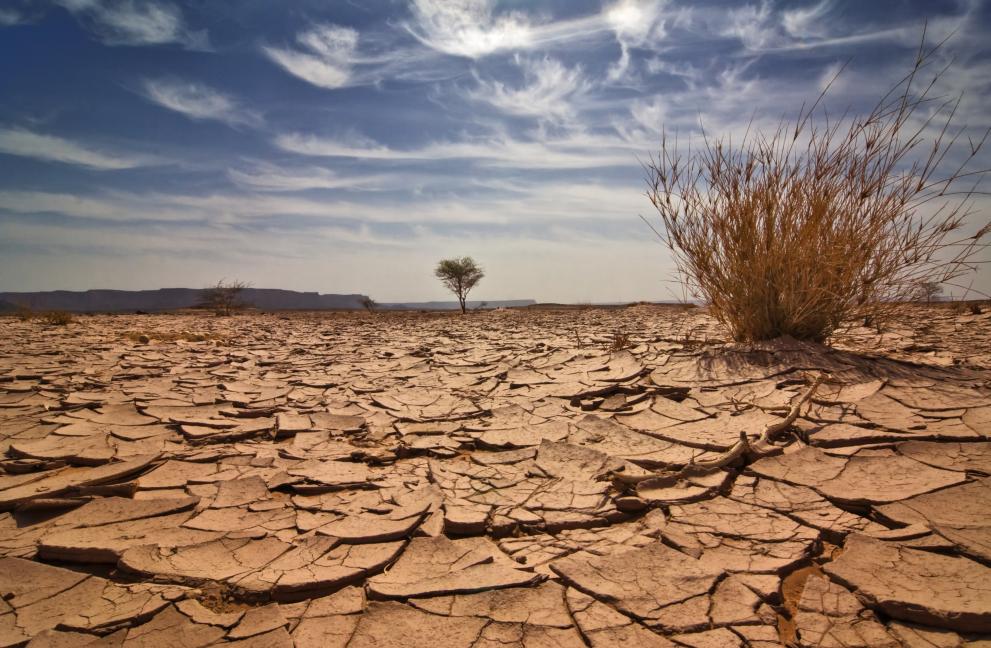
As much as 90.79 percent of Indonesia experienced low rainfall, while 87.28 percent recorded rainfall below normal conditions. The figures indicate that the ongoing dryness is not merely part of the seasonal dry period but is also drier than climatological conditions.
“The August–September 2026 period should be treated as a critical phase for water management, food security and forest and land fire prevention,” A. Karsidi said in an assessment released in Jakarta on Saturday (August 15).
Karsidi explained that BMKG recorded sea surface temperature anomalies in the Niño 3.4 region at positive 2.77 degrees Celsius on a ten-day basis and positive 2.20 degrees Celsius on a monthly basis in July 2026. The conditions indicate a very strong El Niño event.
At the same time, the IOD index reached positive 0.457 on a ten-day basis and positive 0.242 on a monthly basis in July. The positive IOD trend could reduce moisture supply to western Indonesia and intensify dry conditions in several areas.
According to Karsidi, the combination of very strong El Niño, positive IOD and an active dry season is placing increasing pressure on cloud growth and rainfall formation across Indonesia.
“The current peak dry-season phase could develop into more severe drought because very strong El Niño and positive IOD are simultaneously suppressing rainfall across much of Indonesia,” he said.
The assessment also noted that meteorological drought early warnings at the Alert level had emerged in several regencies and cities across Banten, West Java, Central Java, Yogyakarta, East Java, Bali, West Nusa Tenggara and East Nusa Tenggara.
These conditions could develop from meteorological drought into agricultural drought, characterized by declining soil moisture, increasing irrigation requirements, water stress in rain-fed crops and the risk of declining agricultural productivity.
If dry conditions persist through September, drought could also develop into hydrological drought, including declining river flows, reduced water volumes in reservoirs and retention ponds, weakening springs and declining shallow groundwater reserves.
In addition to drought and water shortages, the prevailing weather conditions are increasing the risk of forest and land fires, particularly in Riau, Jambi, South Sumatra, Bangka Belitung, West Kalimantan, Central Kalimantan, South Kalimantan, East Kalimantan, South Sulawesi, Southeast Sulawesi, the Nusa Tenggara region and South Papua.
“In peatland areas, declining groundwater levels can increase the risk of underground fires that are difficult to extinguish. Meanwhile, drying vegetation and grasslands in the Nusa Tenggara region increase the risk of surface fires,” Karsidi said.
Karsidi recommended strengthening field patrols, hotspot monitoring, peatland rewetting, open-burning controls and firefighting preparedness from August through October 2026. Companies and area managers should also regularly monitor weather developments as a basis for strengthening early prevention measures.
For water resource management, local governments and regional managers are encouraged to update water availability balances through October–November 2026. Reservoirs, retention ponds, rivers, springs and groundwater should be monitored periodically, while water use should be prioritized for households, health services, food production, livestock and essential economic activities.
The agricultural sector should also adjust planting calendars according to actual water availability, strengthen rotational irrigation, use drought-tolerant varieties and avoid new planting when reliable water supplies are not available.
NOAA estimates that the probability of a very strong El Niño occurring toward the end of 2026 is above 90 percent. For October–December 2026, there is an approximately 69 percent probability that El Niño could reach a historical category, with a three-month Relative Oceanic Niño Index (RONI) of at least positive 2.5 degrees Celsius.
Therefore, heightened vigilance is needed not only during the peak dry season in August–September but should also be maintained through October–November 2026. Collaboration among government, businesses, communities and natural resource managers will be essential to maintaining water availability, protecting food production and preventing the spread of forest and land fires. (*)