Enviro News Asia, Antalya — Indonesia is calling for stronger international protection for coastal communities and small-island residents facing climate change, saying they should be able to remain safely in their homes rather than be forced to relocate.
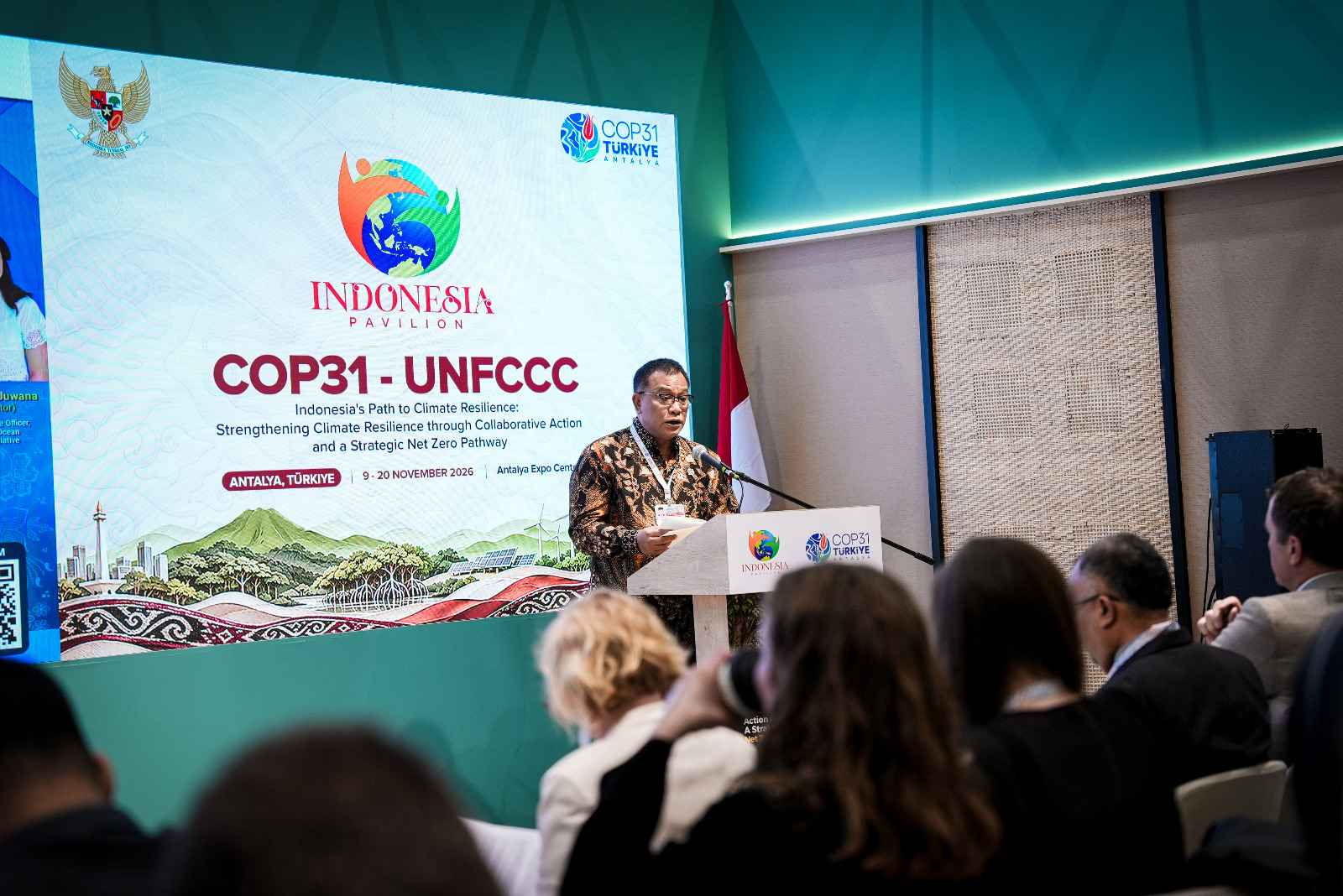
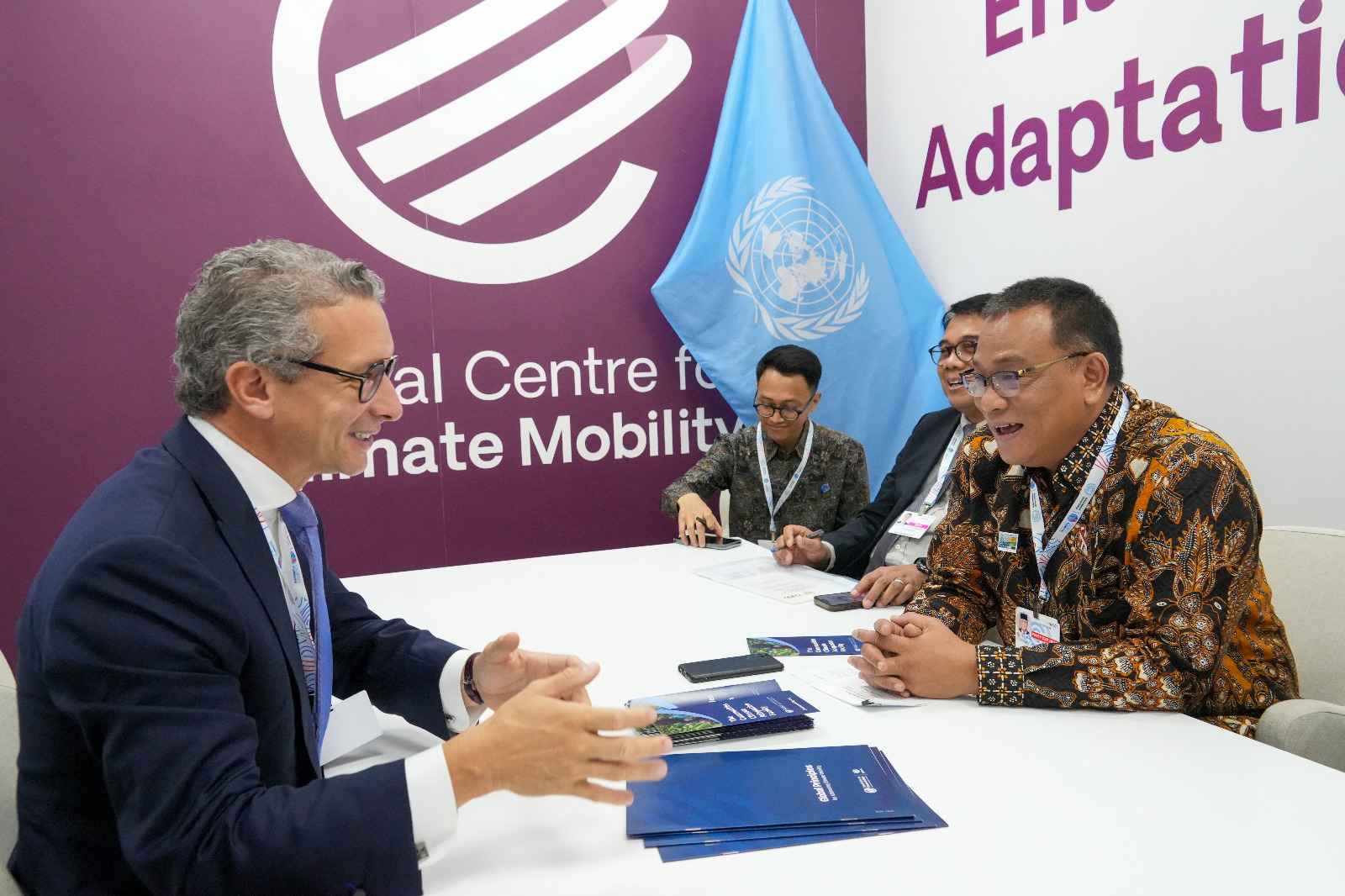
Environment Minister and head of the Environmental Control Agency (KLH/BPLH) Moh Jumhur Hidayat raised the issue during a meeting with Global Centre for Climate Mobility (GCCM) Managing Director Kamal Amakrane on the sidelines of the COP31 climate conference in Antalya, Türkiye, on Nov. 13.
The two sides discussed possible cooperation on community-based adaptation, climate risk mapping and access to funding for communities vulnerable to climate-related displacement.
Rising sea levels, coastal erosion and damage to ecosystems are increasing the risk of displacement in archipelagic countries. In Indonesia, the threat is particularly relevant to people living along the coast and on small islands, as well as communities whose livelihoods depend on vulnerable ecosystems.
Jumhur said Indonesia wanted to strengthen local resilience so residents could remain safely in their home regions, a principle known as the “right to stay”.
However, when relocation cannot be avoided, affected communities must have their rights protected and receive support to move safely and with dignity, he said.
“As the world’s largest archipelagic country, Indonesia views climate mobility as a development and adaptation challenge, particularly for coastal communities, small-island residents and people whose livelihoods depend on climate-sensitive ecosystems,” Jumhur said.
Indonesia also wants global policies on climate mobility to take greater account of the circumstances facing island nations.
The government said it would review the proposed Global Principles for Addressing Climate Mobility at the national and interministerial levels before deciding whether to formally endorse them.
It has called for the principles to recognize the specific risks facing coastal and small-island communities, the characteristics of archipelagic countries and the differences between people moving within their own countries and those crossing international borders.
Indonesia is also open to contributing to the Climate Mobility Adaptation Agenda, provided its proposals take national priorities and policy implications into account.
The meeting also identified several areas for possible cooperation, including community-led adaptation in coastal and small-island areas, improved climate risk data and mapping, and regional knowledge exchange.
Indonesia expressed interest in exploring access to the Communities Climate Adaptation Facility (C-CAF), a funding scheme intended to support adaptation efforts at the community level.
Further technical discussions are expected to examine potential pilot projects, financing arrangements and cooperation that could deliver direct benefits to vulnerable communities. (*)