

Enviro News Asia, Jakarta — Indonesia’s Ministry of Environment and the Environmental Control Agency (KLH/BPLH) is strengthening efforts to accelerate the country’s transition toward a green economy through carbon market governance, energy transition, climate-resilient infrastructure, and stronger climate legislation.
The ministry said it is preparing to oversee the optimization of the national carbon economy system, accelerate the energy transition, and support climate infrastructure development in line with President Prabowo Subianto’s priorities.
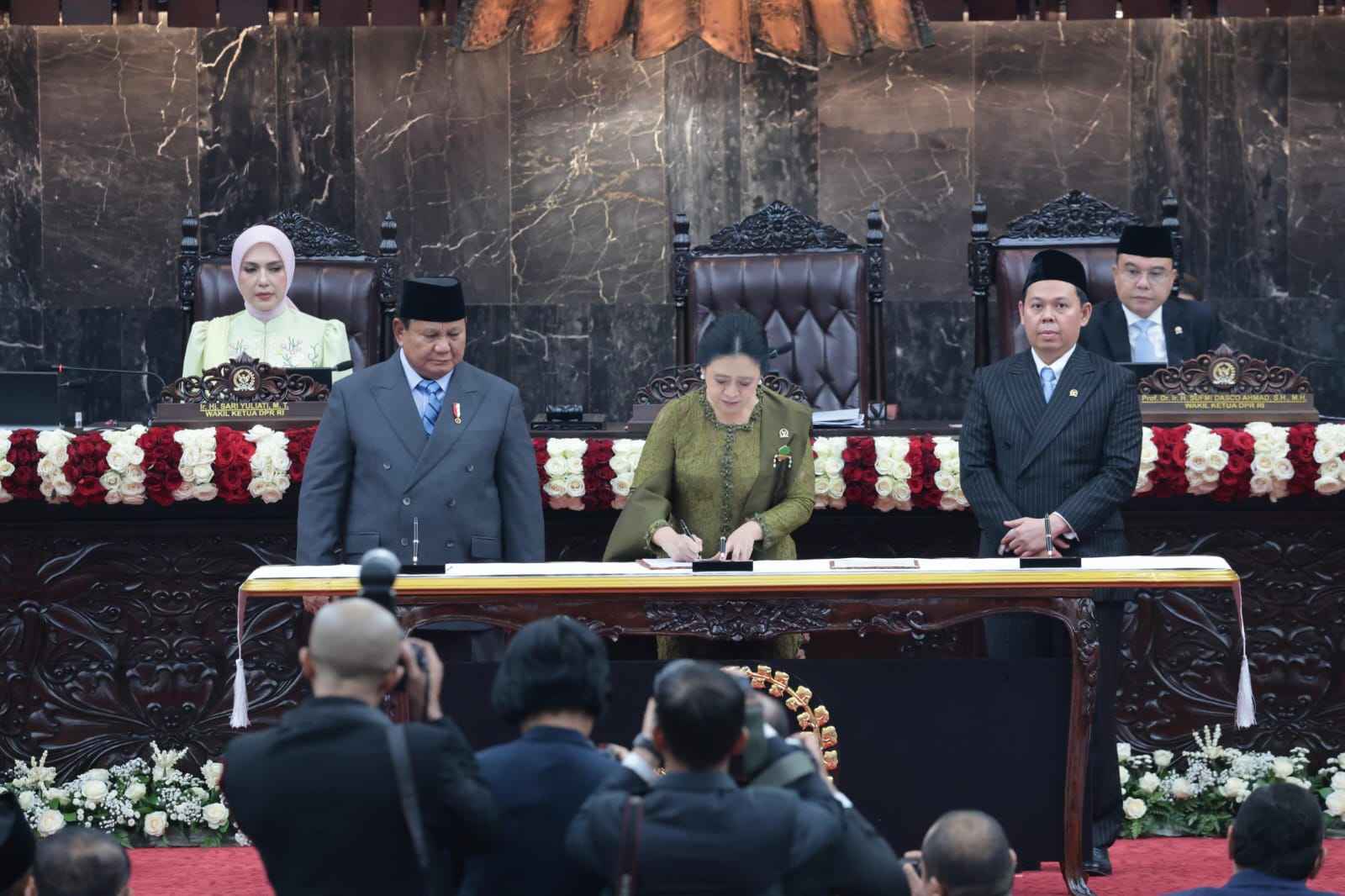
The commitment was reaffirmed following the President’s State of the Nation Address in Jakarta on August 14, 2026.
“Green economy must benefit our people. We must build, but it must create added value for our people,” President Prabowo said.
KLH/BPLH said the transition to a green economy requires a balance between maintaining ecological functions and generating economic value. The ministry will oversee the implementation of the Carbon Unit Registry System (SRUK) and the operation of a carbon exchange designed to meet international standards.
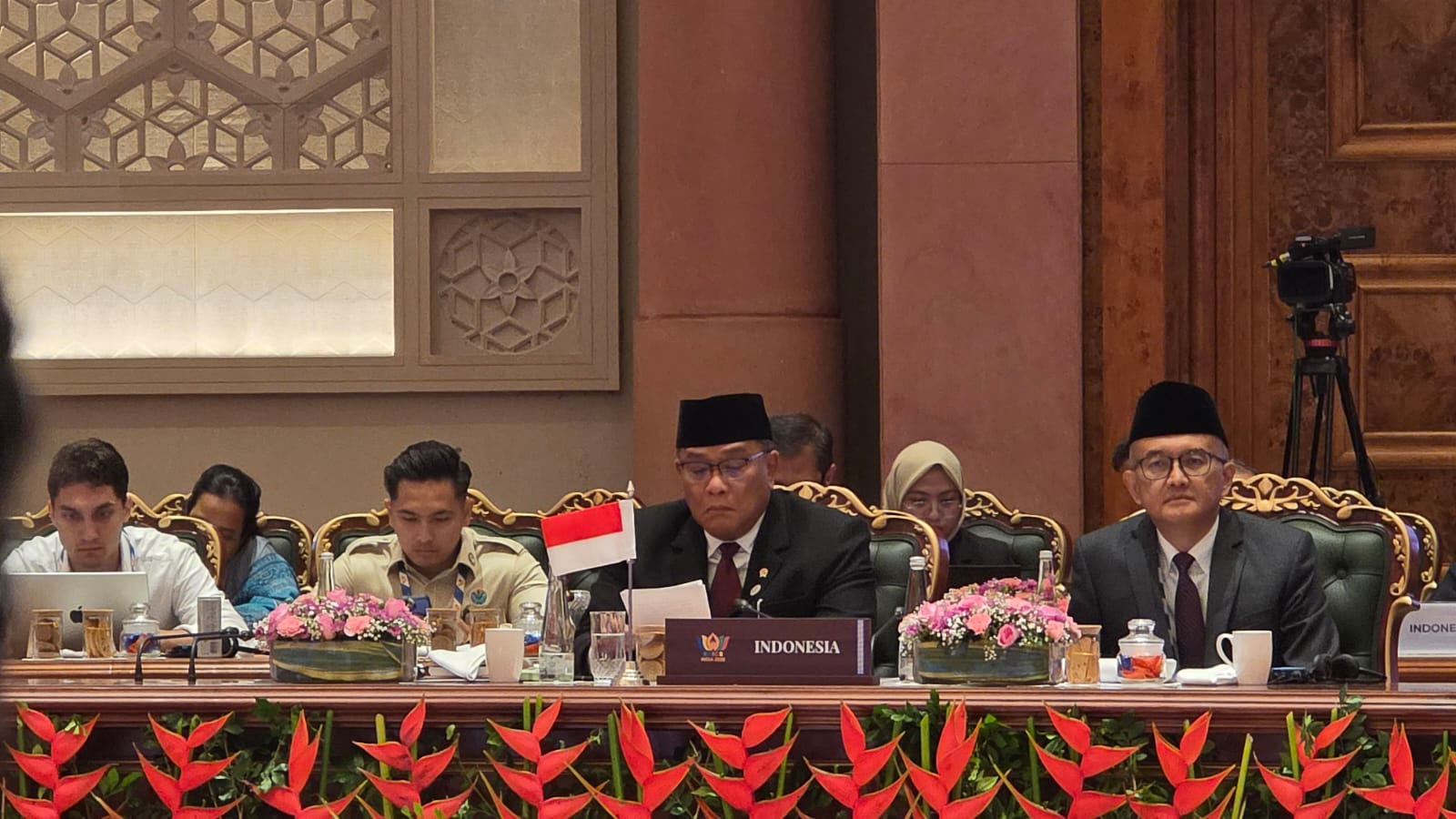
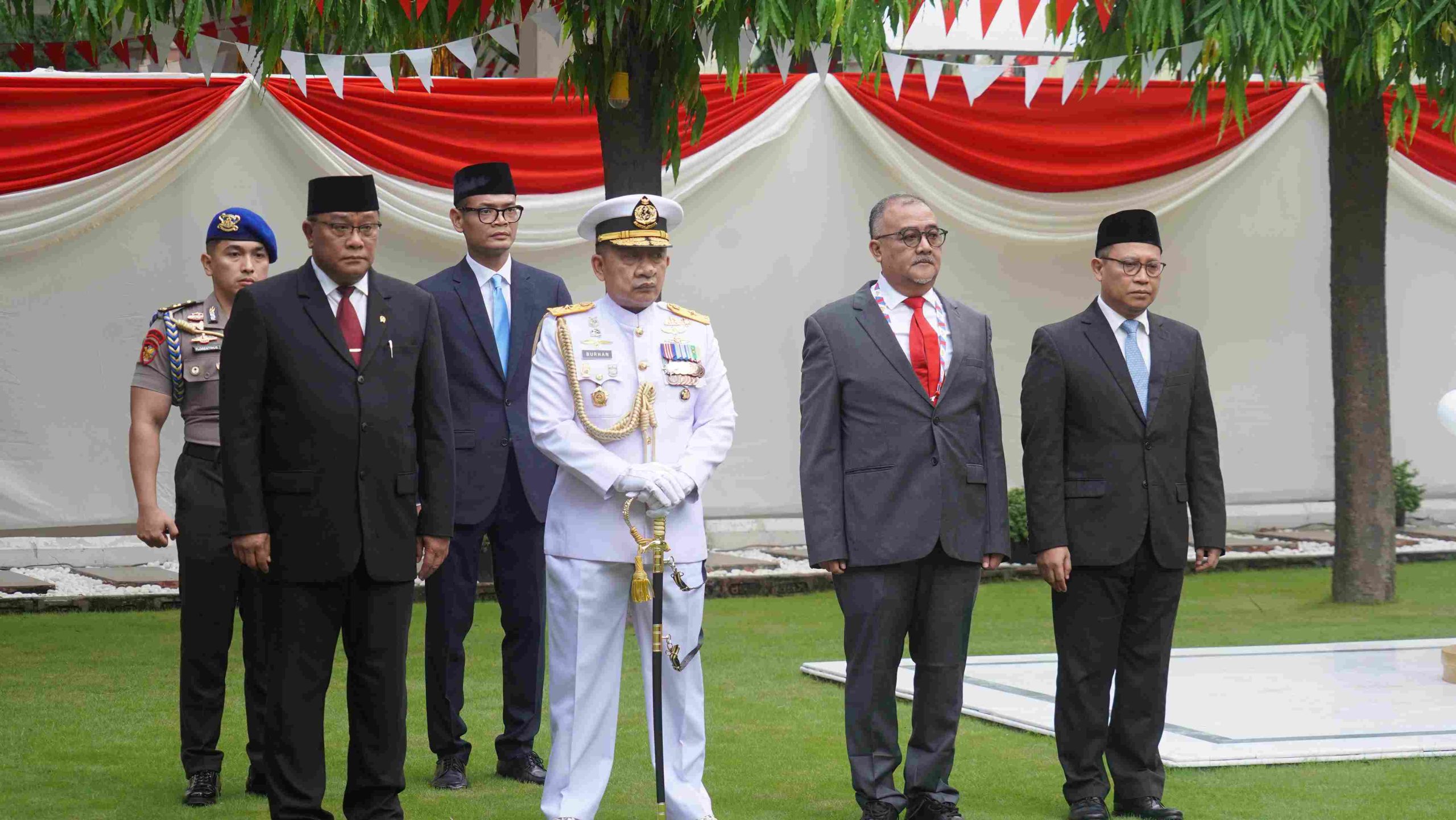
Environment Minister and Head of BPLH Moh Jumhur Hidayat said SRUK is intended to support a fair and credible carbon market by connecting carbon economic value instruments and stakeholders.
“SRUK will become a key hub connecting various instruments and actors in the carbon economic value system, ensuring that the economic benefits of credible, high-integrity and inclusive carbon values can reach communities at the local level,” Jumhur said.
The ministry will also monitor the environmental impacts of energy transition policies and climate-resilience infrastructure.
One of the priorities is ensuring that Indonesia’s planned 100-gigawatt solar energy development and village-level independent solar power plants are implemented in line with ecosystem protection principles.
KLH/BPLH will also oversee environmental considerations in the planned 575-kilometer North Coast Java Giant Sea Wall, a National Strategic Project designed to protect tens of millions of coastal residents.
Jumhur said the project should adopt a hybrid approach that combines physical infrastructure with groundwater management, mangrove restoration, spatial planning, and strict environmental assessment through Strategic Environmental Assessment (KLHS) and Environmental Impact Assessment (AMDAL).
“Giant Sea Wall can become a solution for protecting the northern coast of Java, but it also needs a hybrid approach. Physical infrastructure must be combined with groundwater control, mangrove restoration, spatial planning, strict KLHS-AMDAL, and protection of coastal communities,” he said.
Green Democracy and Climate Legislation
The government’s environmental governance agenda is also being linked to the emerging concept of Green Democracy, which was highlighted by Regional Representative Council (DPD RI) Chairman Sultan Bachtiar Najamudin during the Annual Session of the People’s Consultative Assembly (MPR RI) and Joint Session of the House of Representatives (DPR RI) and DPD RI in Jakarta on August 14.
Sultan said national development should not come at the expense of the environment and future generations.
He described Green Democracy as a framework that balances political development with social, economic and ecological sustainability, ensuring that present-day development does not become an ecological burden for future generations.
KLH/BPLH welcomed the concept and said it was ready to translate the principle into concrete cooperation with the legislative branch.
For the ministry, Green Democracy should go beyond public discourse and become a practical commitment to ensuring that economic growth, investment and industrialization are aligned with environmental carrying capacity.
A key element of this agenda is the ministry’s commitment to supporting the enactment of the Climate Change Bill.
As the technical ministry responsible for environmental affairs, KLH/BPLH said it will work to ensure that the proposed legislation provides a comprehensive, constructive and adaptive legal framework for addressing climate change.
The ministry said stronger carbon governance, renewable energy development, climate-resilient infrastructure and a dedicated climate change legal framework are expected to reinforce Indonesia’s transition toward a low-carbon economy while ensuring that environmental protection and public welfare remain central to national development. (*)