Enviro News Asia, Maluku — Indonesia’s Ministry of Forestry is strengthening the role of Forest Management Units (Kesatuan Pengelolaan Hutan/KPH) in Maluku as a frontline mechanism for preventing forest and land fires through sustainable bioeconomy development, community empowerment, and improved market access.
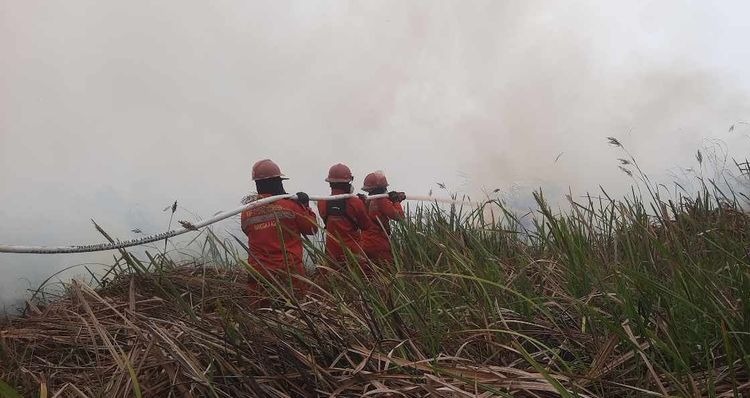
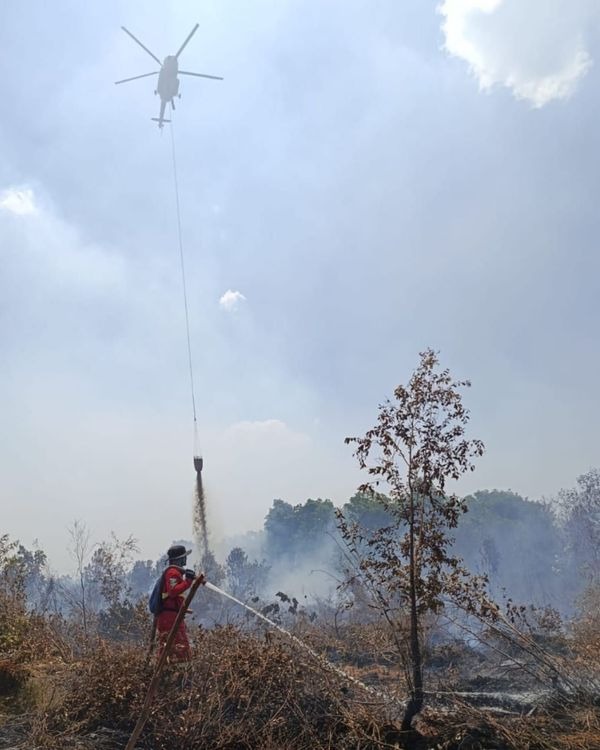
The initiative was discussed during a forum on strengthening KPH-based forest fire control through bioeconomy development in Maluku, held in Ambon on August 27, 2026. The meeting brought together representatives from the Ministry of Forestry, Maluku provincial government, KPHs, ministry technical units, Manggala Agni firefighters, community fire groups, academics, local communities, businesses, development partners, and other stakeholders.
Erwan Sudaryanto, Secretary of the Directorate General of Sustainable Forest Management at the Ministry of Forestry, said forest fire control should not rely solely on firefighting once fires have started. Preventive measures must be strengthened through better forest management, institutional capacity, preparedness at the local level, community empowerment, and sustainable forest-based businesses.
He said KPHs have a strategic role because they operate directly at the forest landscape level, where ecological, social, and economic challenges intersect. Strengthening KPHs therefore requires improvements in institutional capacity, human resources, forest protection, monitoring technology, and collaboration with communities and other stakeholders.
The ministry is promoting a bioeconomy approach that uses biological resources as the foundation for economic development while maintaining the ecological functions of forests. Under this approach, forests are viewed not only as sources of timber but also as providers of food, energy, environmental services, and non-timber forest products.
Potential business models include community-based agroforestry, coffee cultivation under forest cover, cocoa, medicinal plants, forest honey, bamboo, rattan, natural resins, essential oils, and the utilization of biomass for biochar and compost.
According to Erwan, community-based agroforestry can simultaneously maintain vegetation cover and generate income for people living around forest areas. This economic connection is expected to strengthen community incentives to protect forests and reduce activities that could increase fire risks.
The Maluku provincial government also emphasized the importance of strengthening KPHs in managing the province’s unique island geography and close relationship between local communities and natural resources.
Haikal Baadilla, Head of the Maluku Forestry Agency, said forests should be viewed not only as ecological assets but also as sources of livelihood and regional economic development. He stressed that forest fire prevention must therefore protect both forest ecosystems and the communities that depend on them.
Maluku has significant potential for bioeconomy development, including nutmeg, cloves, coffee, and various non-timber forest products. However, strengthening production alone is not sufficient. Reliable and transparent market access is also needed to ensure that sustainable forest-based businesses can provide long-term economic benefits.
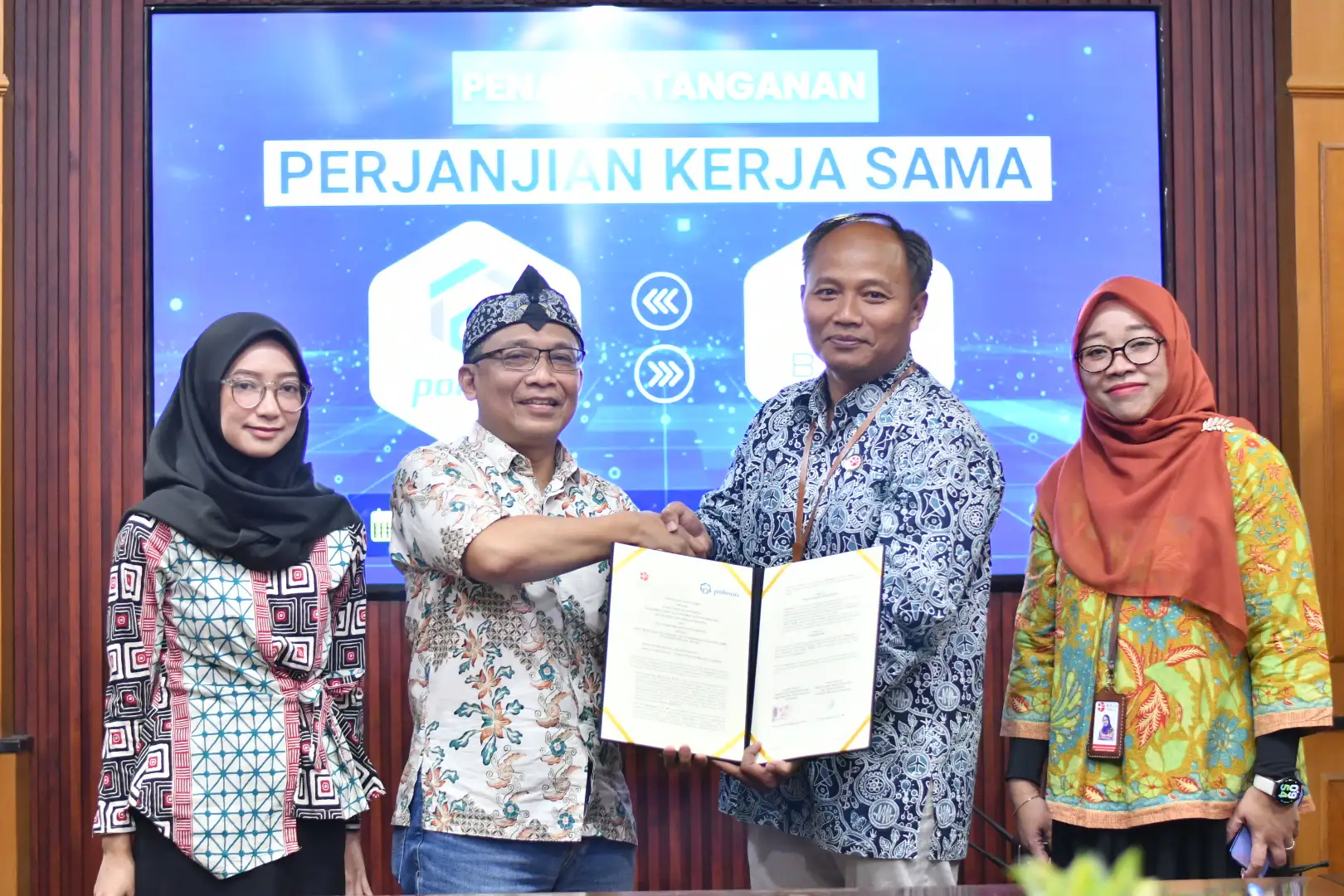
To address this issue, KPHs are developing a strategic partnership with Koperasi Ekonomi Membumi Nusantara (KOBUMI), which serves as an offtaker for agricultural and forest-based products produced by Indigenous and local communities in eastern Indonesia.
The partnership is intended to strengthen a deforestation-free supply chain from production to processing and marketing. KOBUMI is expected to purchase community products under transparent and fair pricing mechanisms, add value through processing, and facilitate access to domestic and export markets.
Products being developed include Maluku spices such as nutmeg and mace, as well as non-timber forest products such as damar resin and copra.
The partnership illustrates how sustainable forest management can be connected to local economic development. By establishing links between production, processing, purchasing, and markets, communities can gain greater economic value from forest resources without compromising forest sustainability.
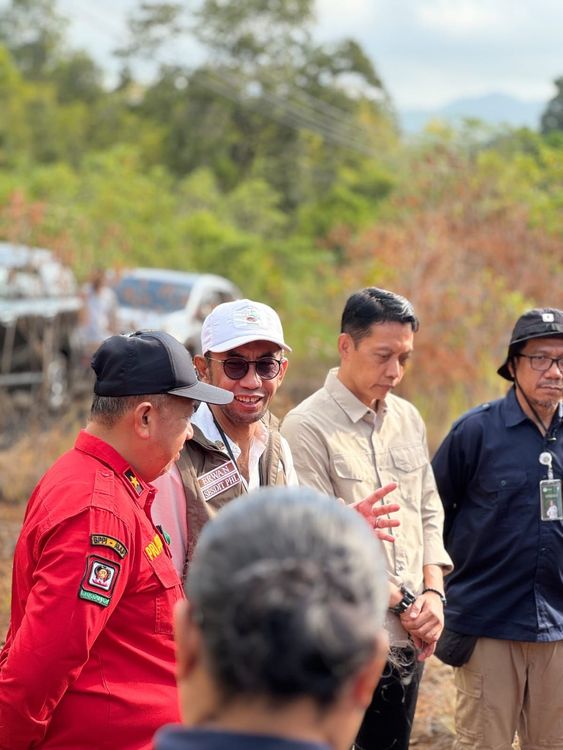
Field visits were also conducted as part of the forum to examine local practices and potential models for bioeconomy development. Participants visited a former fire-affected area in Leahari, the Hatiari Airlow Community Forestry area to observe honeybee and kolang-kaling development, and KOBUMI’s Agroforestry Spice Warehouse in Tawiri.
The visits were aimed at identifying good practices, local commodities, business opportunities, and partnership models that could potentially be replicated across other KPH areas in Maluku.
The Maluku provincial government expects the initiative to lead to further development of priority commodities according to local KPH potential, stronger Forest Farmer Groups and Social Forestry Business Groups, greater product value addition, and improved market access for local communities.
The Ministry of Forestry and the Maluku government said effective forest fire prevention requires collaboration among central and local governments, KPHs, communities, Manggala Agni, community fire groups, disaster management agencies, universities, businesses, development partners, cooperatives, offtakers, and other stakeholders.
The approach shifts forest fire management beyond emergency response toward prevention, early preparedness, improved landscape management, and sustainable economic development based on biological resources.
Through stronger KPH institutions and bioeconomy-based partnerships, the government aims to create a forest management model in which environmental protection and community welfare reinforce each other.
The initiative is ultimately designed to keep forests intact, strengthen community livelihoods, expand sustainable economic opportunities, and reduce the risk of forest and land fires in Maluku. (*)