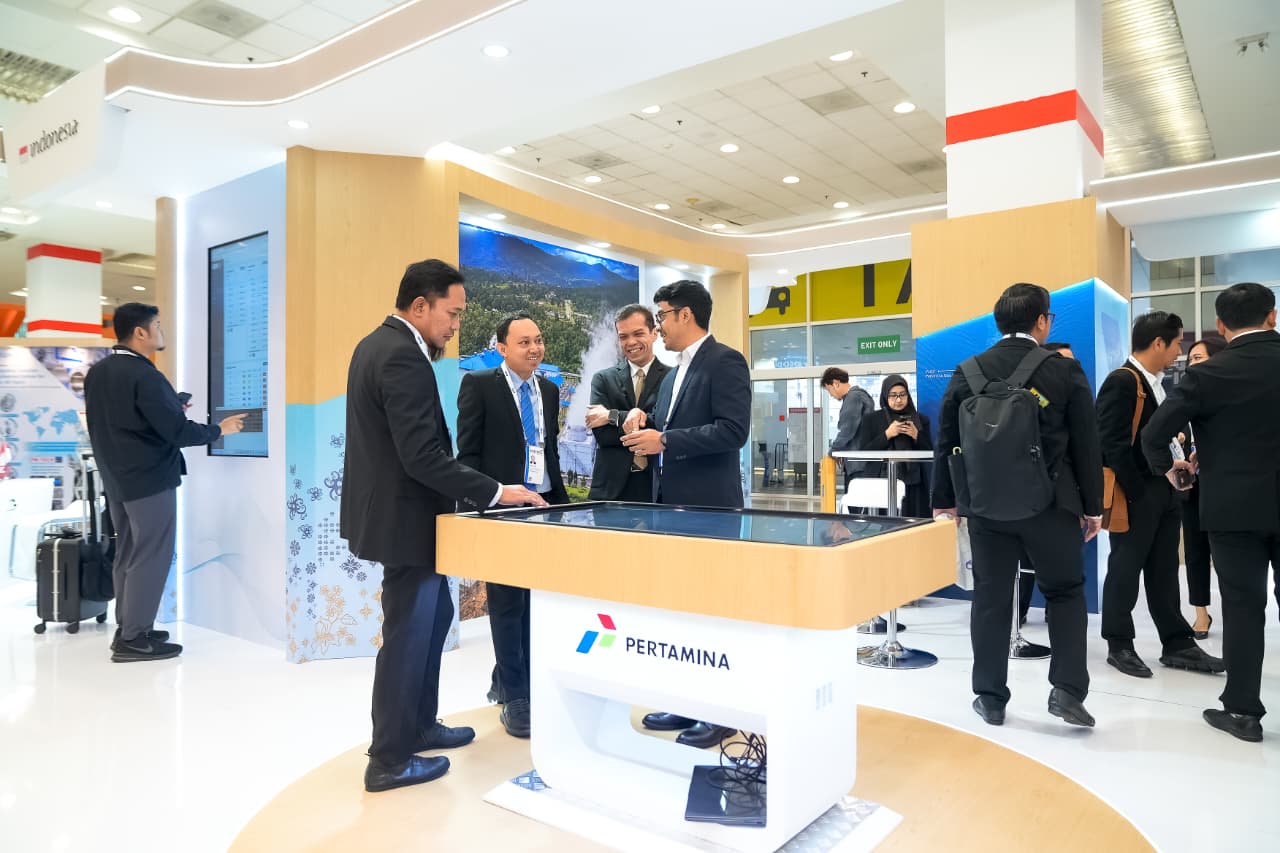
Enviro News Asia, Bangkok — PT Pertamina (Persero) is strengthening Indonesia’s energy security by developing a more flexible and integrated liquefied natural gas (LNG) portfolio that combines domestic and international supplies with LNG and gas infrastructure across the country.
Pertamina presented the strategy at Gastech 2026 in Bangkok, Thailand, as the company seeks to expand connectivity with global energy industry players and develop its LNG portfolio and business amid changing global energy market conditions.
Market volatility, geopolitical developments and rising energy demand have increased the importance of supply flexibility. Pertamina said energy security now depends not only on the volume of available supply but also on the ability to secure the right energy sources at the right time and location at competitive costs.
Pertamina Vice President of Corporate Communication Muhammad Baron said diversification and portfolio flexibility are central to the company’s approach to energy security.
“For Pertamina, energy security is not only about how much supply is available, but also about the ability to obtain energy from the right sources, at the right time, at competitive costs. Therefore, diversifying LNG sources and maintaining portfolio flexibility are important to strengthen Indonesia’s energy security,” Baron said.
Pertamina is expanding its LNG portfolio through multiple sources. In addition to optimizing domestic supplies, the company has international LNG sources, including Australia and the United States.
The diversified portfolio gives Pertamina greater flexibility to adjust supply sources and delivery schedules according to demand, market conditions and economic considerations.
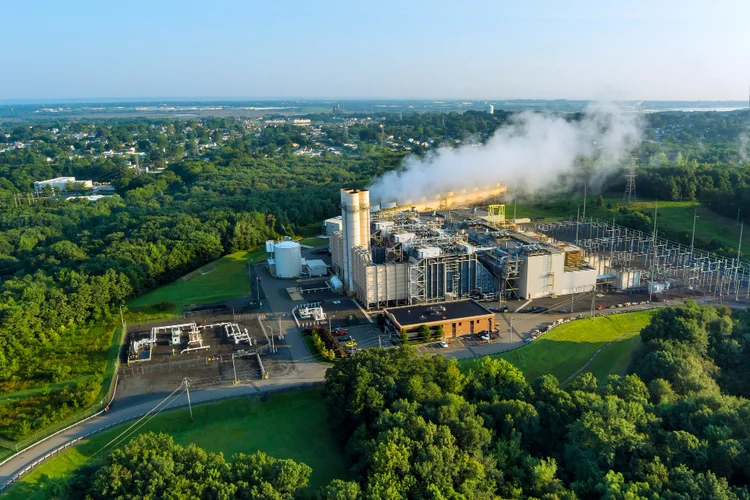
Pertamina’s LNG flexibility is supported by its gas infrastructure, including Perta Arun Gas, Nusantara Regas, the Java-1 LNG receiving facility and the PGN gas pipeline network across various parts of Indonesia.
The integration of supply sources, LNG receiving and storage facilities, regasification infrastructure, pipelines and distribution networks forms the foundation of a more adaptive LNG supply chain.
“Pertamina has complementary LNG and gas infrastructure. Integrating supply sources, receiving and storage facilities, regasification and distribution networks gives Pertamina the flexibility to adjust supply to energy demand across different regions,” Baron said.
One strategically positioned facility is Perta Arun Gas in Aceh. Located along the Malacca Strait, one of the world’s major energy trade routes, Arun has potential to develop into a regional LNG hub connecting international supplies with demand in Indonesia and Southeast Asian markets.
The facility offers multiple LNG handling options, including receiving and storing LNG, reloading, transshipment, regasification and distribution. These capabilities allow Pertamina to adjust LNG management according to market requirements and economic considerations.
The strategy is becoming increasingly relevant as Indonesia’s LNG market evolves. Indonesia has traditionally been recognized as a major LNG producer and exporter, but growing domestic energy and industrial demand could increase the country’s future need for LNG.
This shift presents both challenges and opportunities. By connecting global supplies, domestic LNG production, national infrastructure and regional demand, Pertamina aims to optimize its LNG portfolio while strengthening Indonesia’s position within regional and global LNG supply chains.
Baron said Pertamina’s future LNG strategy would focus not only on securing sufficient volumes but also on managing and optimizing supplies to generate greater value.
“Going forward, the differentiating factor will not only be the ability to obtain LNG, but also the ability to manage, optimize and deliver it to locations where it provides the greatest benefit. Pertamina wants to connect global LNG supplies with Indonesia’s energy security while capturing opportunities for growth,” Baron said. (*)