

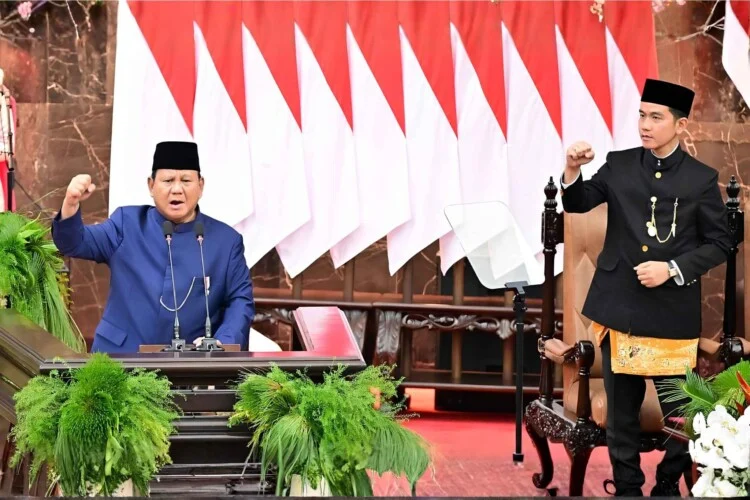
Enviro News Asia, Jakarta — Indonesia must urgently address recurring fuel shortages, electricity outages and delays in renewable energy development as President Prabowo Subianto and Vice President Gibran Rakabuming Raka enter the third year of their administration, an energy policy think tank has warned.
The Institute for Essential Services Reform (IESR) said on Oct. 20 that disruptions throughout 2026 exposed a gap between the government’s energy security targets and the services received by the public. It called for improvements in fuel supply and distribution, more reliable electricity and measurable progress toward the government’s 100-gigawatt solar power program.
IESR welcomed government efforts to maintain energy prices amid rising global oil prices, expand electricity access and launch the solar power initiative. However, the institute argued that energy security should ultimately be measured by whether people can access affordable and reliable energy when they need it.
“Fuel shortages and recurring power outages show that the ability to maintain energy supply and distribution still needs serious improvement,” said IESR chief executive Fabby Tumiwa.
Fuel shortages reported in several regions since May, including Greater Malang and Bali in October, highlighted weaknesses in operational reserves and distribution, according to IESR. The disruptions have affected transport workers, small businesses and households that rely on subsidized fuel.
Indonesia also remains heavily dependent on imported fuel. Citing data from the Energy and Mineral Resources Ministry in June 2026, IESR said national gasoline demand reached approximately 40 million kiloliters annually. Even after upgrades to the Balikpapan refinery, imports were expected to remain at around 20 million kiloliters.
Meanwhile, crude oil and condensate production reached only 547,000 barrels per day between January and July 2026, well below the government’s target of 1 million barrels per day.
IESR urged the government to reassess its oil production target and devote more resources to managing fuel demand. Measures should include improving vehicle efficiency, expanding public transportation, electrifying transport and developing pedestrian walkways and bicycle lanes.
The institute said these measures could reduce dependence on imported fuel and ease pressure on state spending when global oil prices rise. While keeping energy prices stable can protect consumers in the short term, the cost of procuring energy must still be borne by businesses or the state budget.
It therefore called for gradual subsidy reform alongside targeted protection for vulnerable households and efforts to reduce dependence on petroleum fuels.
Electricity reliability is another pressing concern. Disruptions in Sumatra and rotating blackouts in Sulawesi have raised questions about power plant readiness, primary energy supplies, operating reserves and transmission and distribution networks.
IESR said adding generation capacity alone would not resolve the problem without adequate maintenance, flexible system operations and preparations for extreme weather. Electricity planning should also account for climate risks, expand distributed generation and gradually reduce reliance on fossil fuel power plants.
Against this backdrop, the institute described the government’s 100 GW solar power program as an opportunity to strengthen energy security, reduce oil and coal consumption and expand electricity access.
However, Indonesia had installed only around 1.5 GW of solar power capacity by April 2026, according to IESR. A draft presidential regulation to support the 100 GW program was still undergoing harmonization in early October.
The institute called on the government to finalize the regulation and establish clear responsibilities, financing arrangements, grid readiness and energy storage requirements.
IESR outlined three priorities for the administration’s third year. First, the government and state-owned energy company Pertamina should restore fuel supplies in affected areas, publish information on stock levels and distribution disruptions, strengthen operational reserves and early warning systems, and commission an independent review of the supply chain.
Second, the government should conduct independent technical audits of major power outages and recurring disruptions throughout 2026. The findings should lead to a transparent, measurable improvement plan covering generation readiness, grid infrastructure, operating reserves, smart-grid technologies and energy storage.
Third, the government should accelerate the 100 GW solar program with measurable targets and a clear timetable for reducing fossil fuel use. The program should align with the National Energy General Plan and involve local governments, private companies and communities through transparent, competitive procurement.
IESR said implementation should cover utility-scale and rooftop solar installations, rural electrification and the replacement of diesel-based power generation. Progress reports should disclose operational capacity, investment costs and reductions in fuel and coal consumption.
The institute stressed that energy security cannot be achieved solely by increasing fossil fuel production or maintaining subsidies. Indonesia needs a more diversified, efficient and reliable energy system that increasingly relies on sustainable domestic energy sources.
“People need tangible improvements: available fuel, reliable electricity and affordable energy costs,” Fabby said. He added that renewable energy development should deliver these benefits rather than operate as a separate policy agenda. (*)