

Enviro News Asia, Jakarta — Indonesia is expanding community participation in oil production and preparing a gradual shift towards ethanol-blended fuels as the government seeks to increase domestic energy supplies, reduce fuel imports and create more business opportunities outside major industrial centres.
Energy and Mineral Resources Minister Bahlil Lahadalia said permits had been issued for community-managed oil wells in several regions, with some wells in Sumatra and Java already producing crude oil. He said he had recently signed additional permits for wells in Aceh.
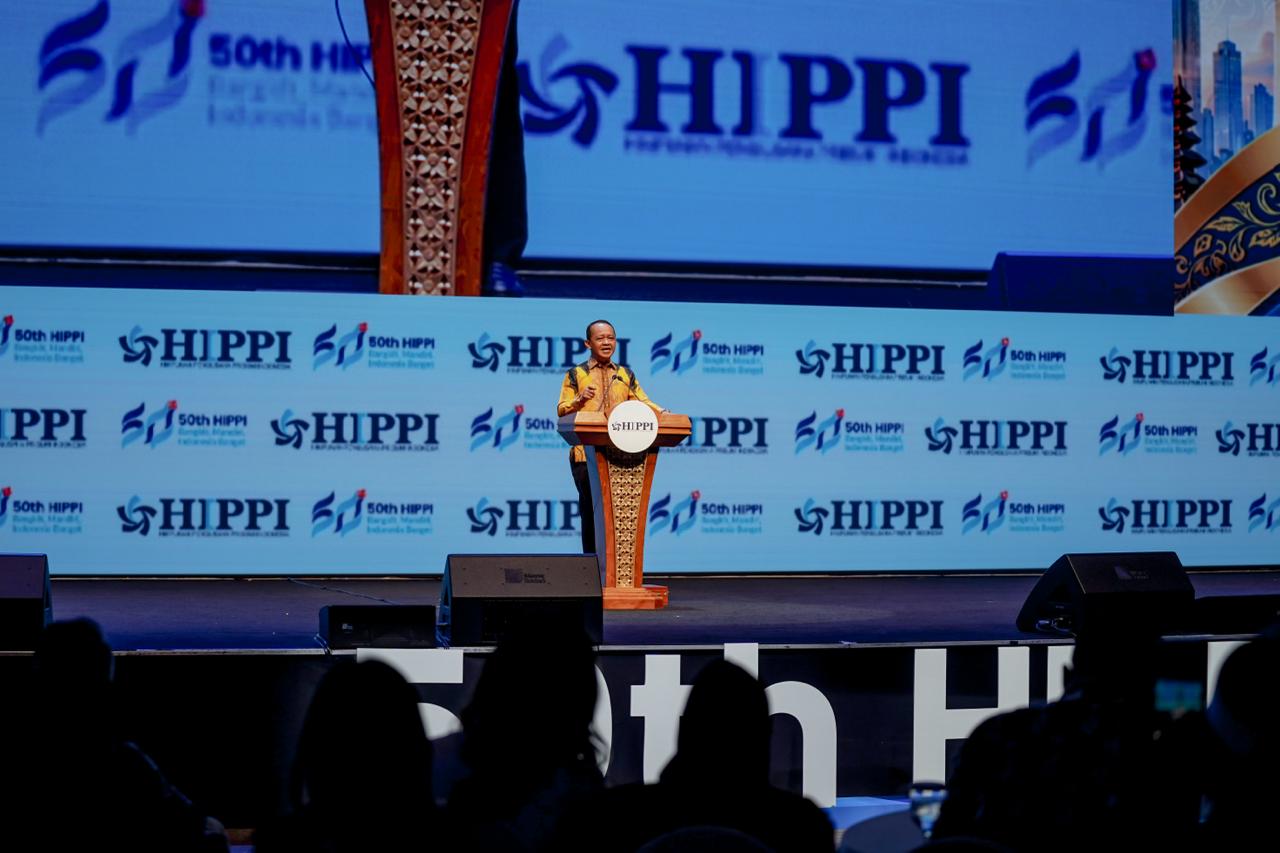
Speaking on the sidelines of the third national working meeting of the Indonesian Association of Indigenous Entrepreneurs (HIPPI) in Jakarta on Monday, Bahlil said the policy would provide legal certainty for communities while contributing to national oil production.
The government estimates that around 45,000 community oil wells could be brought into the formal system. Many have been operated by local residents for generations without official permits.
Under the scheme, Pertamina purchases crude from these wells at 80 percent of the Indonesian Crude Price (ICP). The operations also involve partnerships with Medco and Pertamina.
Bahlil said formalising the wells would help protect residents’ livelihoods while increasing national oil lifting, the volume of crude oil produced and brought to market.
The initiative forms part of a broader government effort to expand economic opportunities for small businesses and cooperatives. Other measures include priority mining permits for cooperatives and micro, small and medium enterprises, rural electrification and the provision of new electricity connections through the BPBL programme.
Alongside efforts to increase domestic oil production, the government is preparing to reduce petrol imports through a gradual ethanol-blending mandate, with a long-term plan to reach an ethanol blend of up to 50 percent, or E50.
Indonesia consumes around 40 million kilolitres of petrol annually, while domestic production stands at approximately 18 million to 19 million kilolitres, according to Bahlil.
He said preparations were under way for the planned rollout, with implementation targeted towards 2028 and adjusted to domestic industrial capacity.
“The mandate must not result in us importing the ethanol,” Bahlil said, stressing that the programme should rely on locally produced feedstock.
The government has identified potential feedstock sources in Java, Sumatra and Papua. For an E20 blend, it estimates that around eight million kilolitres of ethanol would be required, with cassava, sugar cane and corn among the main raw materials.
The plan envisages approximately one million hectares for cassava, 1.1 million hectares for sugar cane and one million hectares for corn. The government intends to use available land, including non-forest areas and underutilised concession land, through an integrated production system linking cultivation and processing.
Alternative feedstocks are also being developed. Pilot projects using sweet sorghum are under way in Yogyakarta and East Nusa Tenggara, while a palm sugar processing facility in Kamojang has a reported capacity of 1,000 litres a day.
The ethanol programme follows the implementation of the B50 biodiesel mandate on July 9, 2026. The government estimates that the biodiesel programme has saved around 170 trillion rupiah in foreign exchange and supported 2.1 million jobs.
By formalising community oil production and developing biofuels from domestic agricultural resources, Indonesia aims to strengthen energy security while broadening opportunities for local communities and businesses. (*)