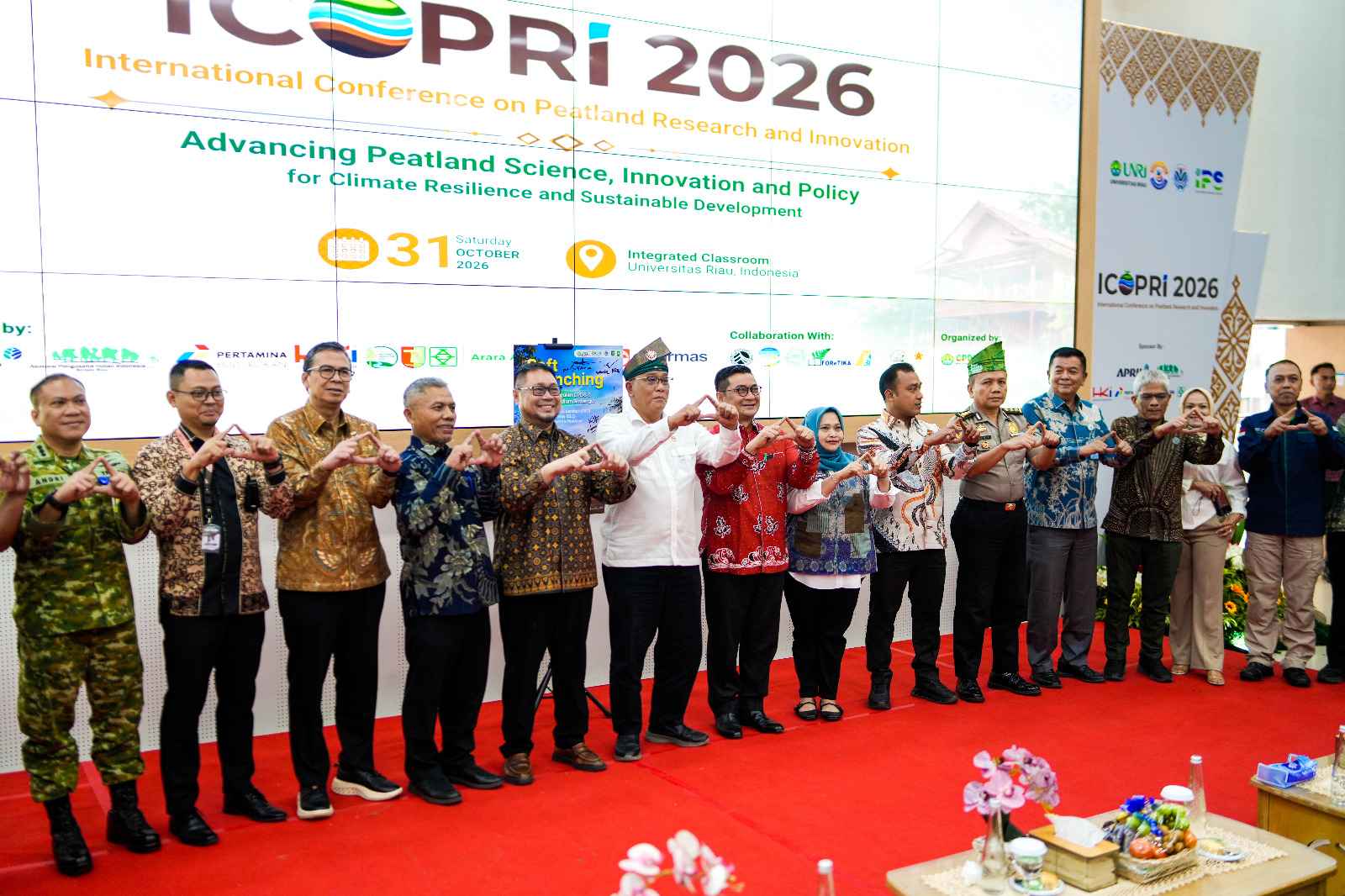


Enviro News Asia, Jakarta — Indonesia’s Environment Ministry and Environmental Control Agency (KLH/BPLH) has directed more than 400 concession-holding companies to strengthen water management and peatland rewetting measures to prevent recurring forest and land fires.
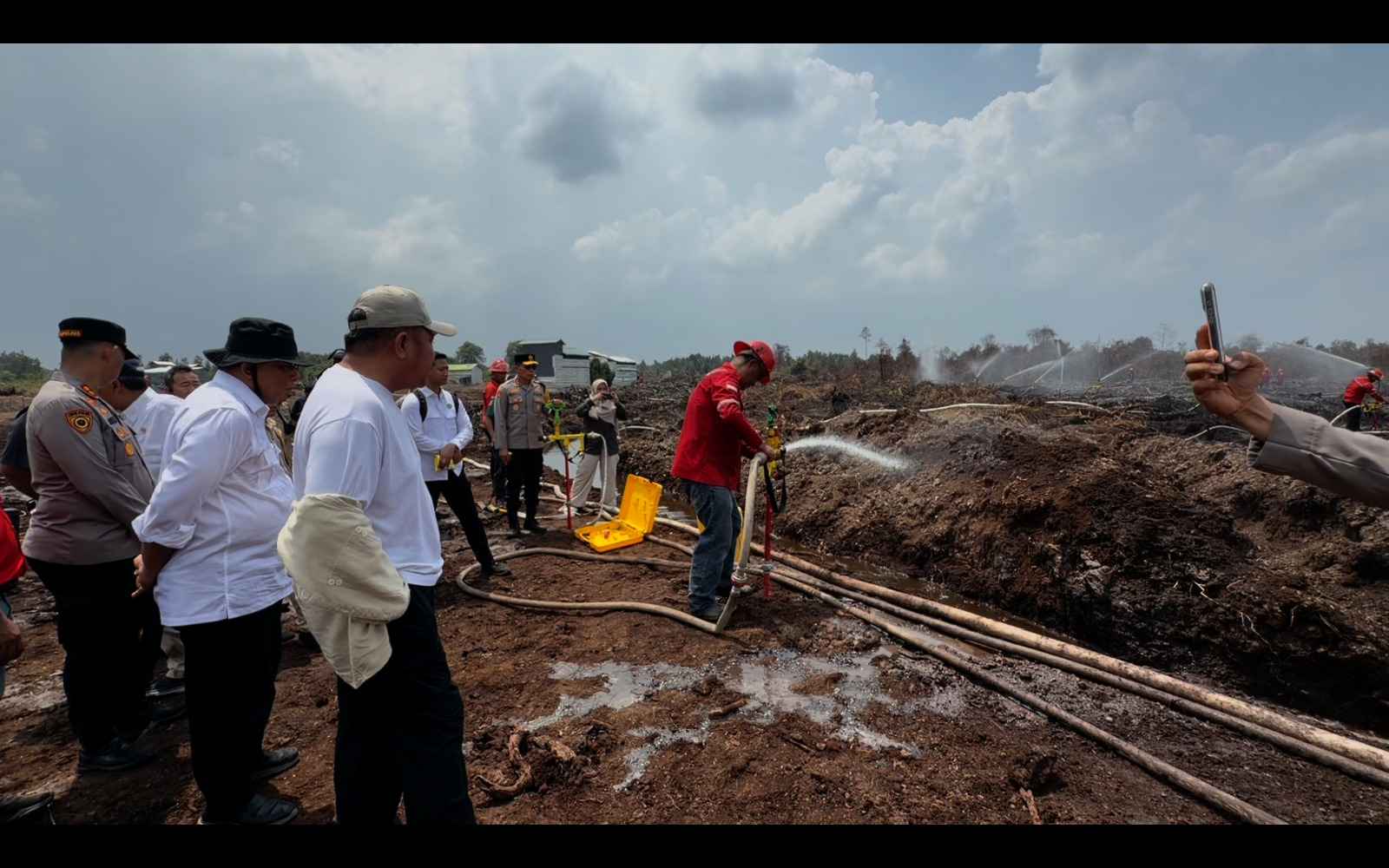
The initiative follows a field visit by Environment Minister and Environmental Control Agency head Moh Jumhur Hidayat to Ogan Komering Ilir, South Sumatra, on Nov. 1, 2026, where he inspected water-flow reversal methods and infrastructure designed to restore moisture in peatlands.
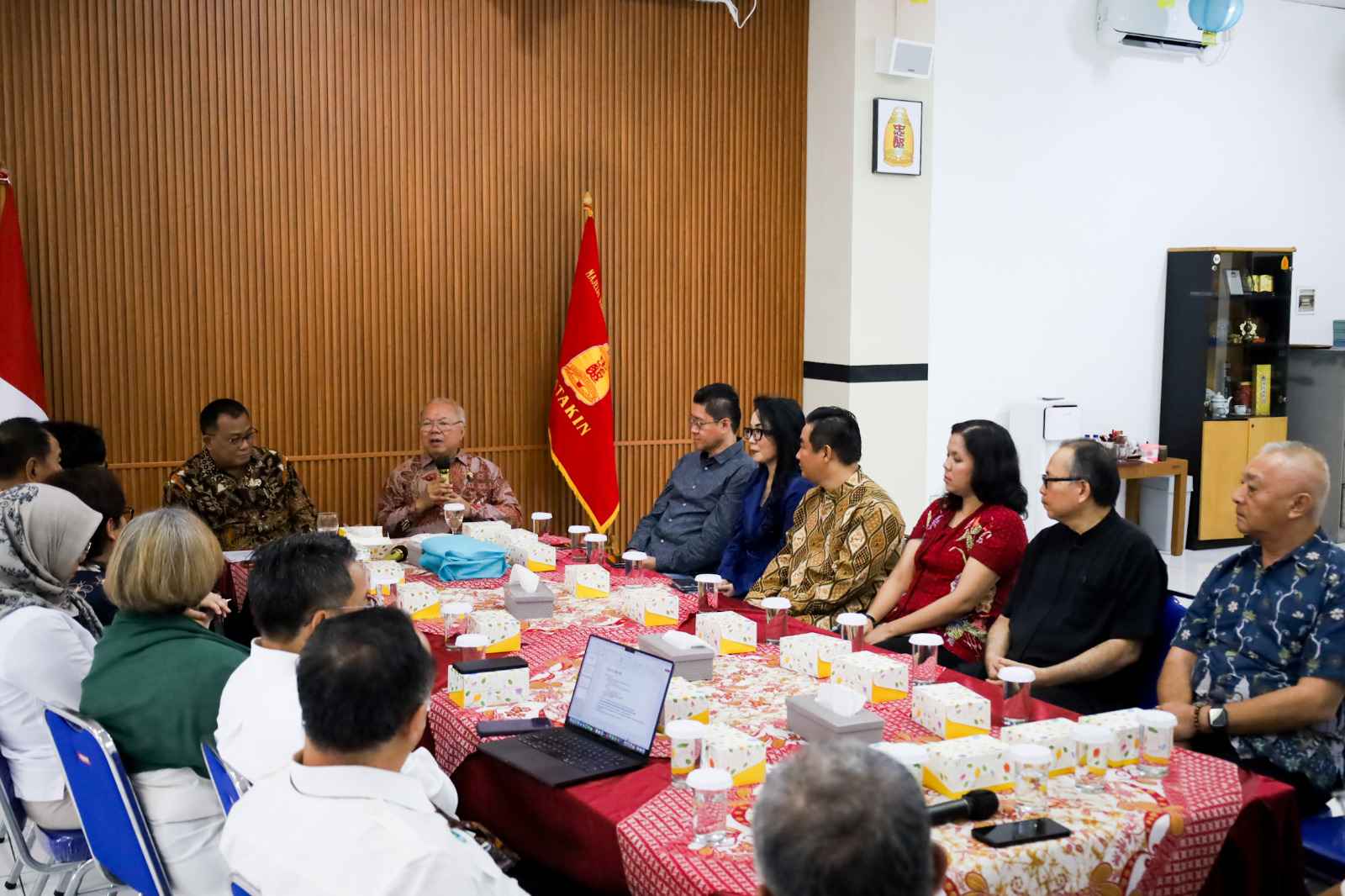
The government subsequently convened a meeting with more than 400 companies in Jakarta on Nov. 3 to strengthen preventive measures across concession areas.
Jumhur stressed that maintaining peatland moisture was essential to fire prevention and must be treated as a mandatory responsibility by all business permit holders.
“We want to ensure that there are no fires in their concession areas, including hotspots that could develop into fires. Mitigation must be carried out through various measures, particularly rewetting systems in peatland areas,” he said.
Following field assessments, the minister outlined four operational directives for companies.
The first is water conservation and storage, including maintaining groundwater levels through canal blocking, water gates, reservoirs, and the preparation of pumps and access to water sources.
The second is strengthening buffer infrastructure by establishing comprehensive rewetting facilities in surrounding areas.
The third is collaborative emergency preparedness, requiring stronger coordination among government agencies, businesses and communities through a pentahelix approach.
The fourth is transparent reporting, with all mitigation activities documented using measurable indicators and subject to regular audits.
The prevention strategy is supported by extensive peatland hydrological infrastructure. Across approximately 4.15 million hectares of peatland managed by 314 companies, a total of 34,989 canal blocks have been built.
A further 8,857 canal blocks have been constructed in community areas, forest areas and buffer zones. The government estimates that another 17,394 units are needed to optimise the hydrological functions of peatland ecosystems.
KLH/BPLH Deputy for Environmental Management and Sustainable Natural Resource Management Sigit Reliantoro said regular assessments were essential to determine whether the infrastructure was effectively preventing peatland fires.
“Evaluations are also being conducted to determine how effective canal blocks are in preventing peat fires. This reinforces our confidence that canal blocking is one of the main instruments for managing water in peatland ecosystems and preventing fires,” Sigit said.
Jumhur also called for a shift in environmental oversight from reactive responses to proactive, risk-based prevention supported by data and hydrological thresholds. The approach prioritises public health protection and early intervention before environmental emergencies escalate.
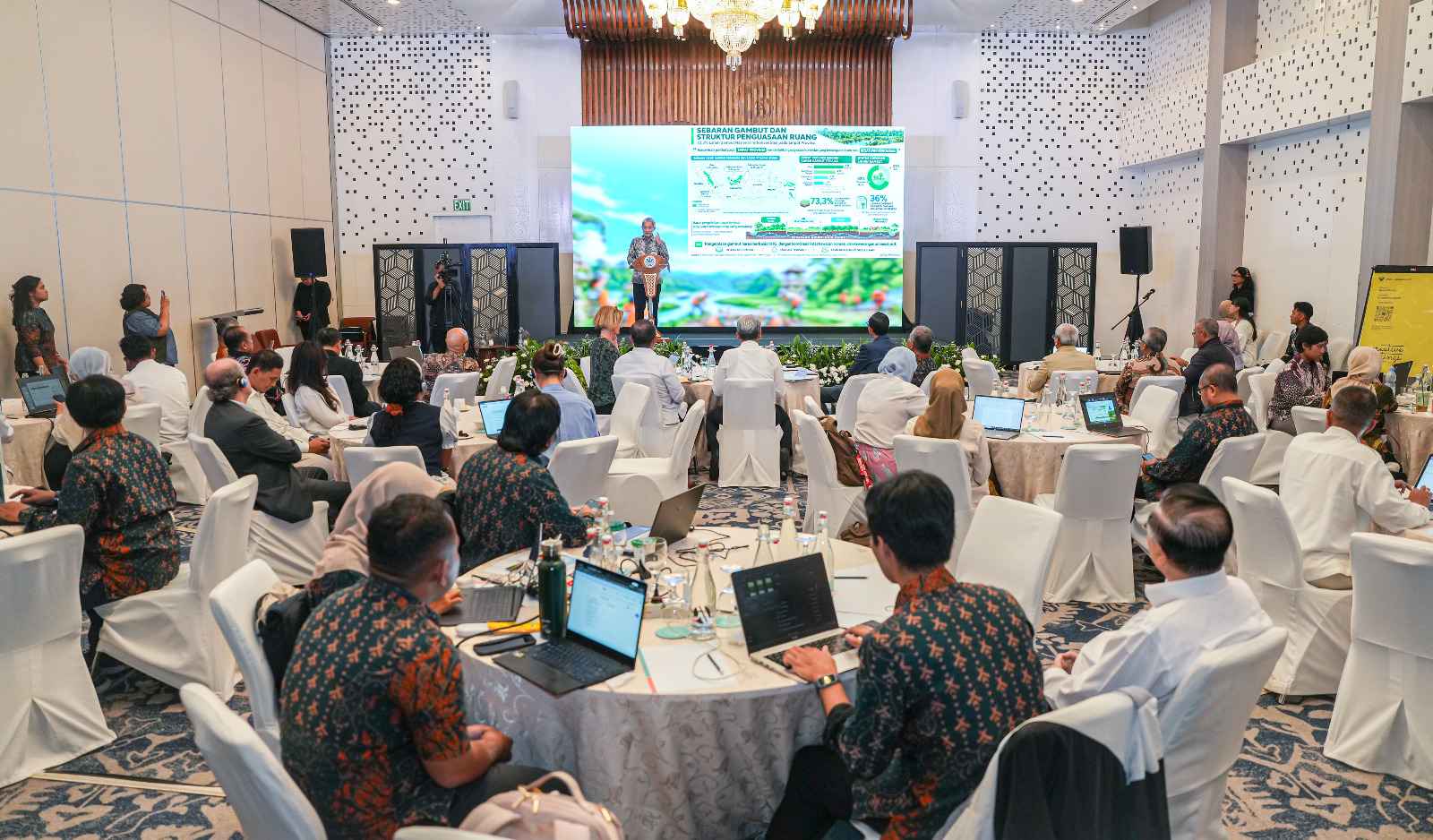
Indonesia’s peatland restoration efforts have also received international recognition. Franka Braun, the World Bank’s lead environment specialist, praised the country’s progress in peatland restoration and fire prevention.
“Indonesia has demonstrated significant progress and has become one of the world’s leading countries in peatland restoration and fire prevention efforts. We support the Environment Ministry in these efforts,” she said.
As part of its ongoing oversight, KLH/BPLH is strengthening compliance assessments through peatland hydrological monitoring and the Corporate Performance Rating Programme in Environmental Management (PROPER).
The ministry reported that 413 companies had inventoried peatland ecosystem characteristics, 379 companies were under PROPER monitoring, and 319 had prepared documents for restoring peatland ecosystem functions.
Through these measures, the government aims to strengthen environmental governance, prevent recurring fires and support the Indonesia ASRI movement, which promotes a safe, healthy, clean and beautiful environment. (*)