

Enviro News Asia, Jakarta — Indonesia’s Ministry of Environment and the Environmental Control Agency (KLH/BPLH) has urged journalists to help monitor the country’s climate diplomacy and negotiations at the 31st United Nations Climate Change Conference (COP31), scheduled for Nov. 9–20 in Antalya, Türkiye.
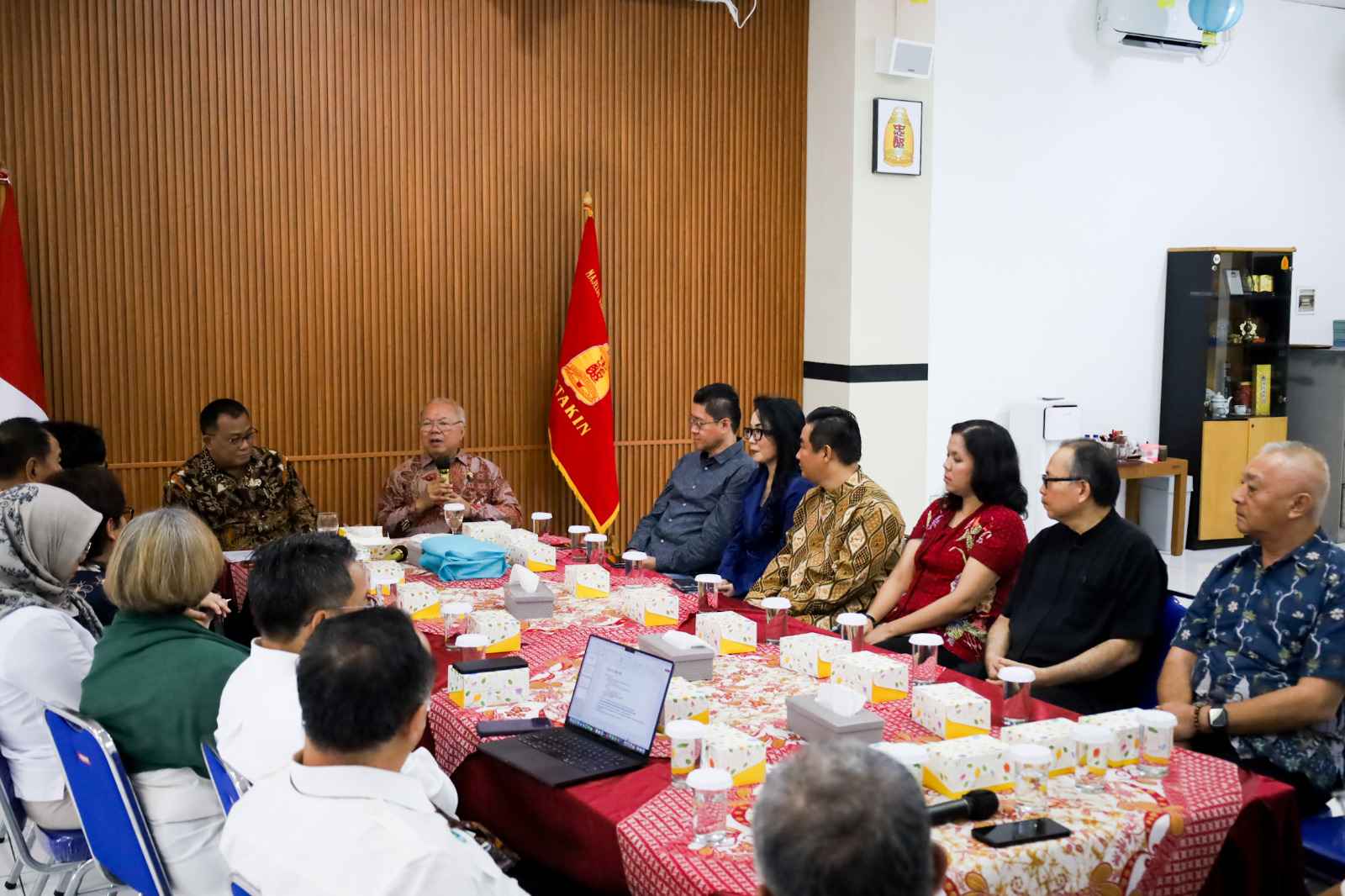
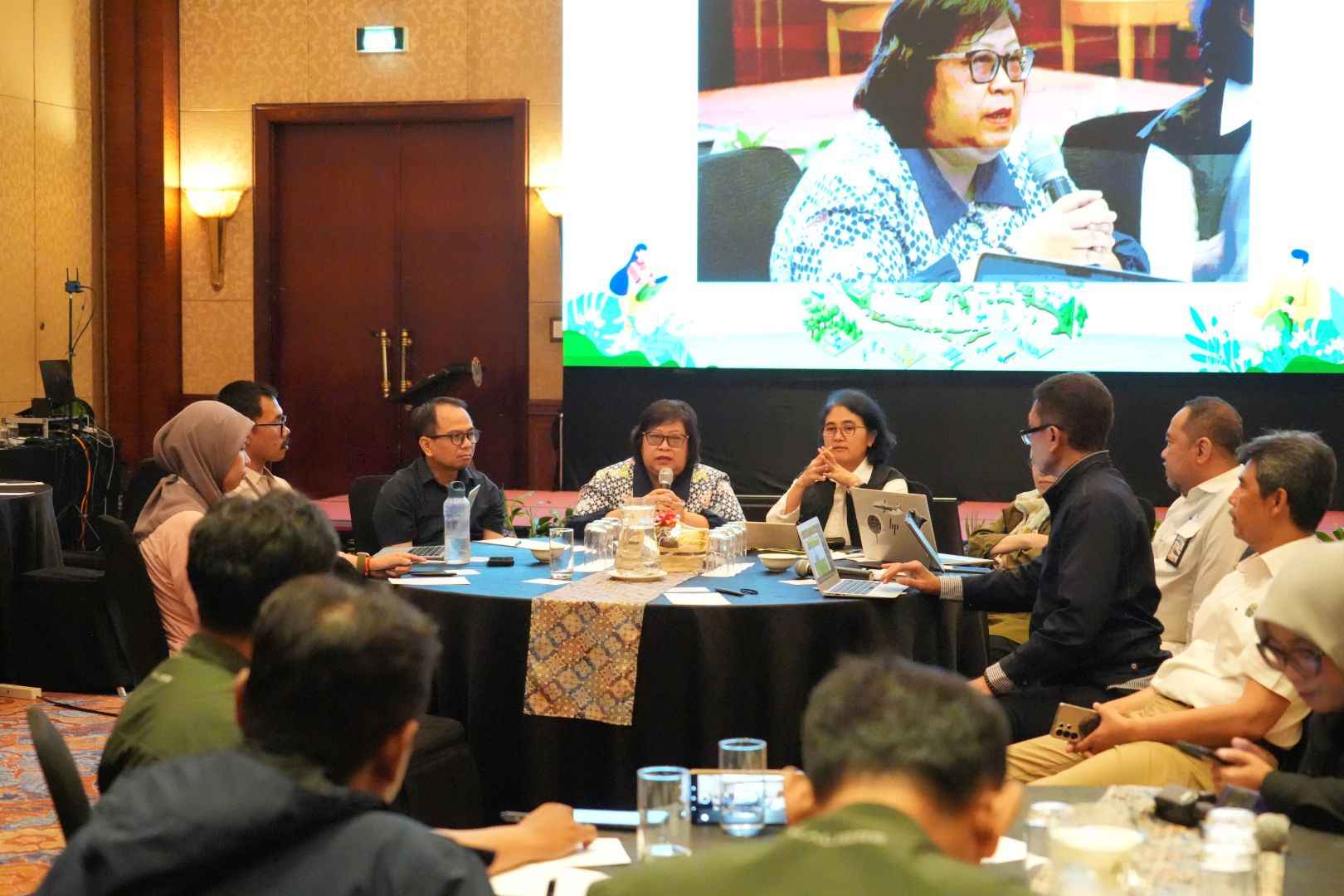
The call was made during the fifth edition of Temu Lingkungan (TEMAN), an interactive dialogue between the ministry and media representatives held in Jakarta on Nov. 3, 2026. The forum aimed to improve journalists’ understanding of international climate negotiations and Indonesia’s strategy ahead of the global conference.
Under the theme “Delivering Climate Solutions at Scale,” Indonesia plans to promote large-scale climate solutions through measurable actions with broad environmental impacts.
Laksmi Widyajayanti, the ministry’s Expert Staff for Food Resources, Natural Resources, Energy and Environmental Quality, who is also responsible for the Indonesia Pavilion, said Indonesia had attracted international attention for its efforts to mitigate climate change and reduce greenhouse gas emissions.
She said the country’s natural resources and record of implementing emissions-reduction measures, including commitments under its Second Nationally Determined Contribution (Second NDC), provided a basis for Indonesia to contribute to international discussions on climate solutions.
“Indonesia is currently one of the countries receiving global attention for its efforts to reduce greenhouse gas emissions. We have the resources needed and practical experience to achieve measurable emissions reductions,” Laksmi said.
Media Role in Countering Disinformation
KLH/BPLH Public Relations Bureau Head Yulia Suryanti stressed that the media played an important role in monitoring Indonesia’s negotiations at COP31, covering both formal negotiations and diplomatic engagement.
To support accurate reporting, the ministry’s public relations bureau will provide regular updates and first-hand information from the conference venue.
“What we need to monitor together are Indonesia’s negotiations. We hope media colleagues will convey the information we share based on accurate facts from the field. First-hand information is essential to help the public understand the actual situation and prevent rumours and hoaxes from spreading,” Yulia said.
Franky Zamzami, the ministry’s Director of Climate Change Adaptation, explained that COP31 would involve more than high-level meetings among world leaders. It would also serve as a complex multilateral negotiating forum under the United Nations Framework Convention on Climate Change (UNFCCC), the Paris Agreement and the Kyoto Protocol.
The conference would include technical negotiations as well as a Climate Summit, where heads of state and delegation leaders deliver official statements on climate change.
“COP includes dedicated sessions for negotiations, or hard diplomacy. It also features a Climate Summit or High-Level Summit, where national leaders and delegation heads deliver official statements on climate change,” Franky said.
Journalists Welcome the Dialogue
The fifth TEMAN edition received a positive response from participating journalists. Nindy Dewinta of Garuda TV said the forum helped media representatives better understand the complexity of international environmental issues before covering COP31.
“The forum was highly educational and broadened my understanding of environmental issues, particularly the details of COP31. The discussion gave us a clearer picture of the conference’s scale and Indonesia’s position in the negotiations,” she said.
Nindy also expressed hope that cooperation between journalists and KLH/BPLH would continue, helping ensure that climate policy information reaching the public remained accurate and informative.
Through TEMAN, KLH/BPLH aims to strengthen communication with the media and support comprehensive public reporting on COP31, including Indonesia’s negotiating position, interests and contributions to global climate solutions. (*)