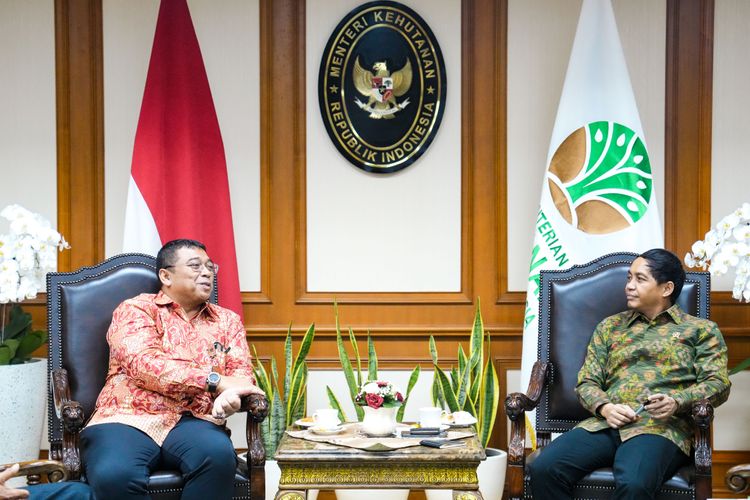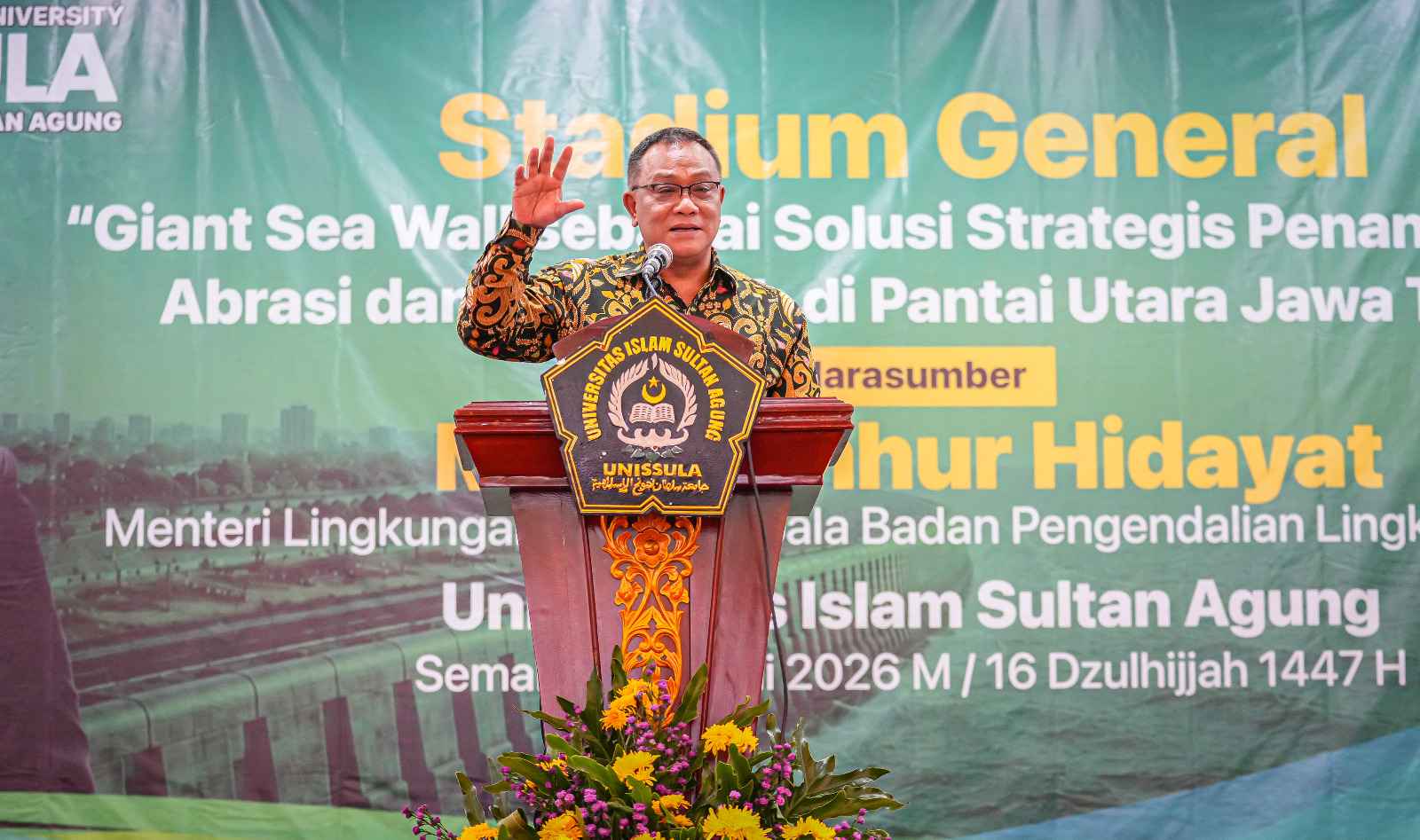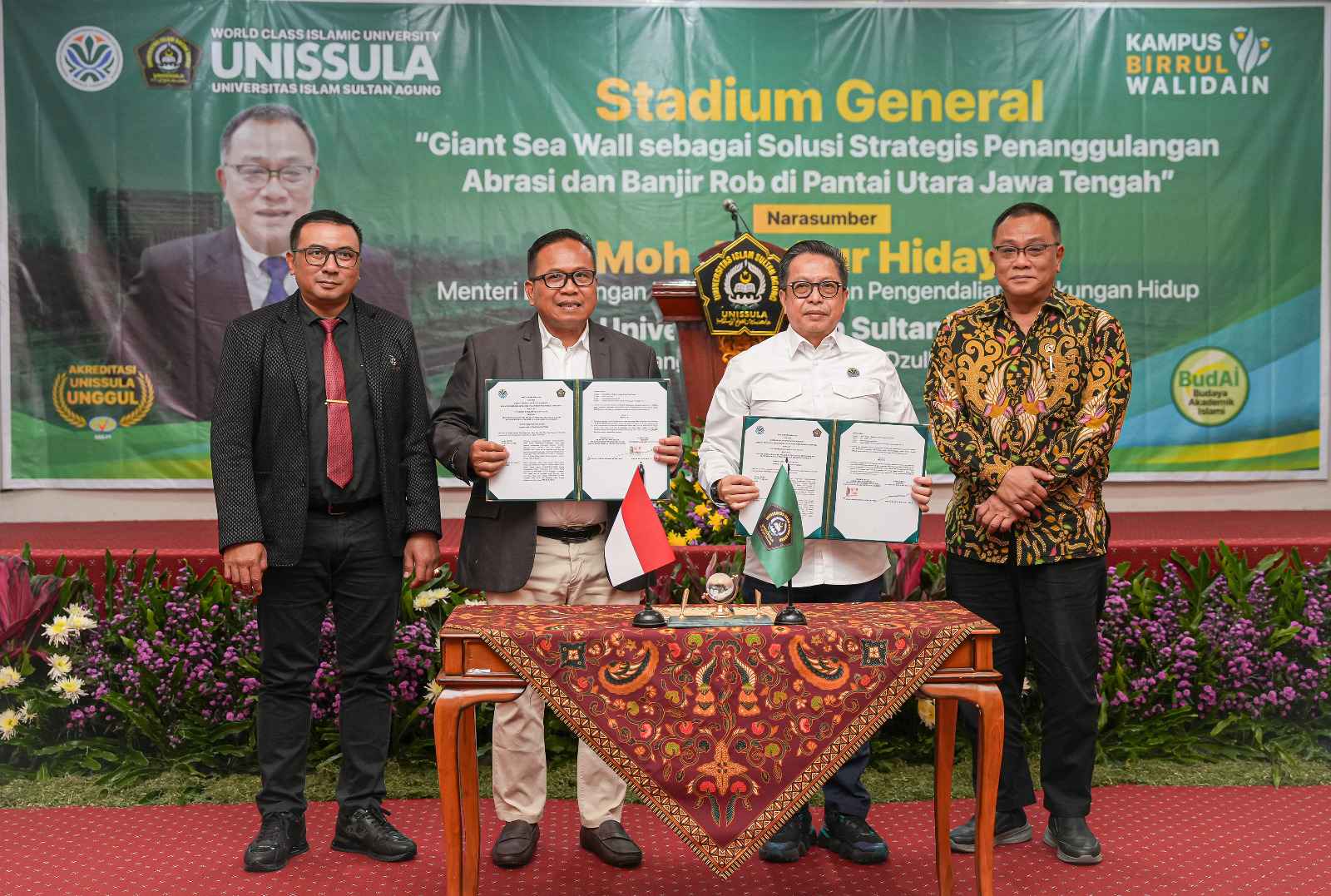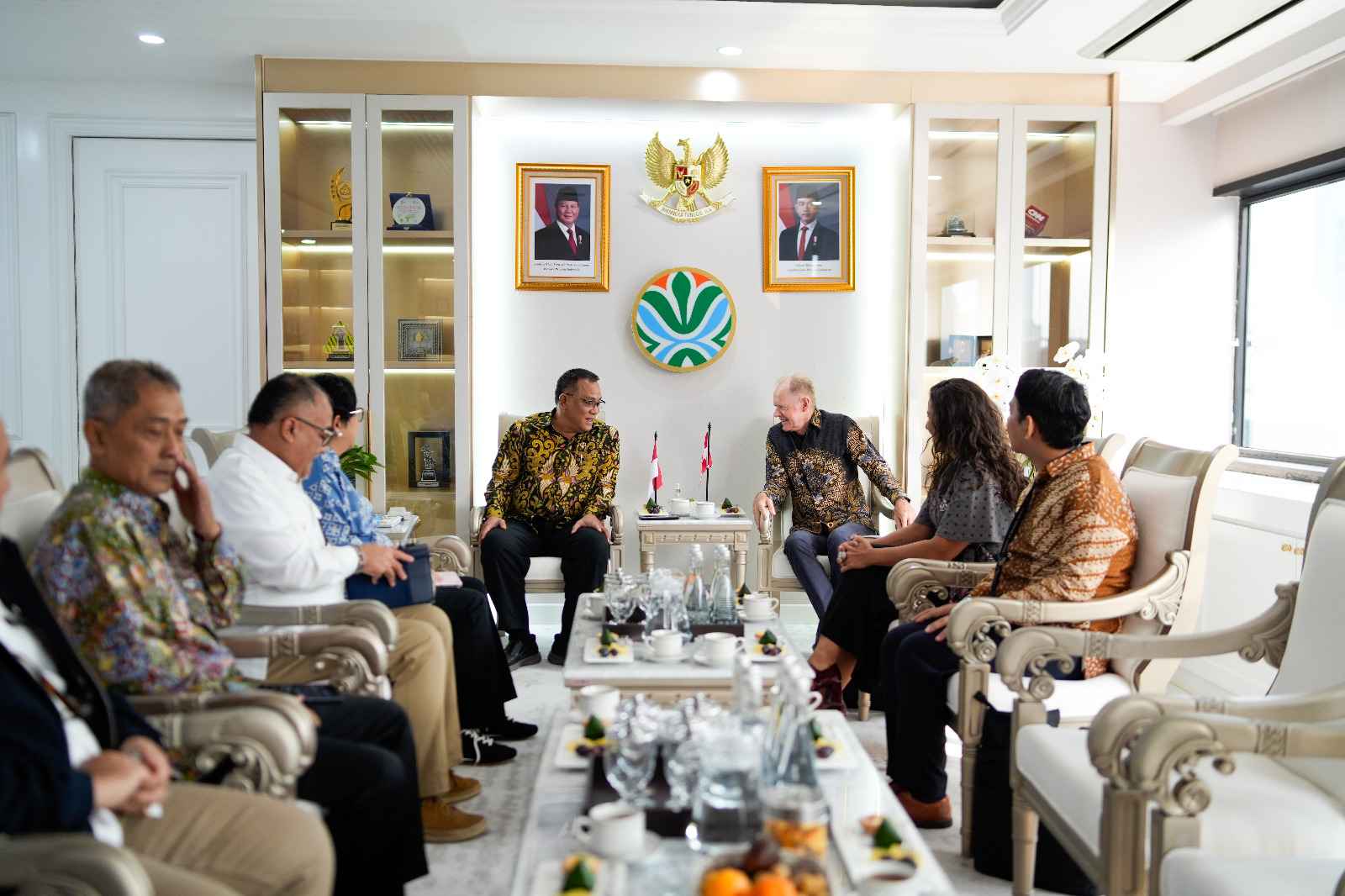
Enviro News, Jakarta – The School of Environmental Science at Universitas Indonesia (SIL-UI) has submitted a policy paper on palm oil to Indonesia’s Ministry of Manpower in Jakarta. This policy paper is part of the 2023 Indexed International Publication Grant (PUTI) from Universitas Indonesia.
The policy paper, titled Enhancing Human Resources in the Palm Oil Industry: Steps Towards Sustainable Development, was developed by the Interaction, Community Empowerment, and Social Environment Cluster of SIL-UI. “This policy summary provides specific recommendations based on a comprehensive analysis of the issues, inspired by best practices from Australia and Thailand,” said the lead researcher, Herdis Herdiansyah.
Estiarty Haryani, Head of the Planning and Workforce Development Agency at the Ministry of Manpower, expressed her appreciation for the policy summary, noting that it can serve as valuable input and recommendations for the ministry in formulating labor policies in the palm oil sector. “The academic focus demonstrated through this policy summary greatly assists us in devising strategies to enhance workforce competencies in the palm oil sector,” said Estiarty. She further emphasized the importance of collaboration between academics and stakeholders to produce fair and sustainable policies in the palm oil industry.
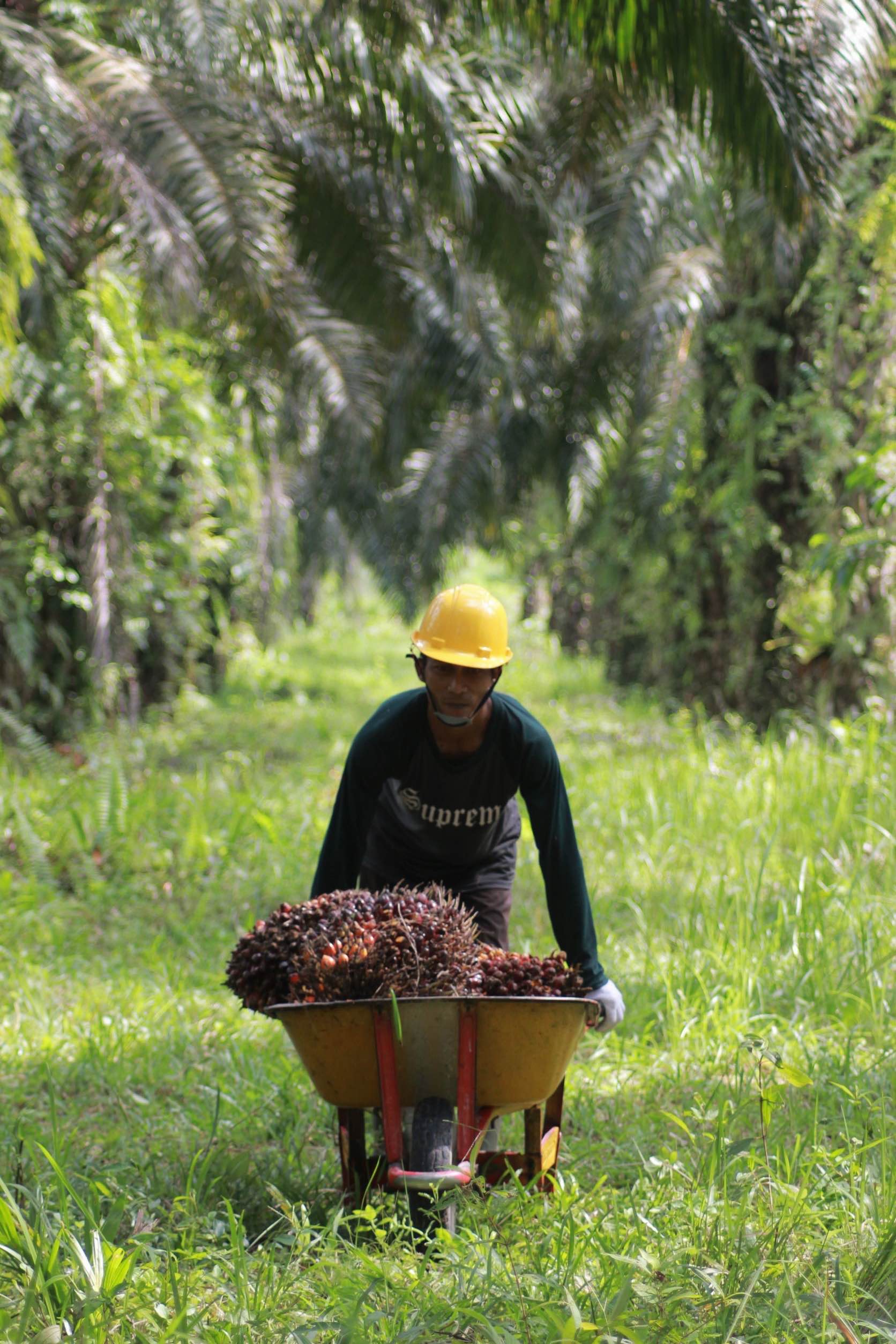
Herdis Herdiansyah highlighted that environmental damage, poor working conditions, and social inequalities are frequently criticized in the palm oil industry. However, the sector is a vital contributor to the national economy, generating significant income and providing millions of jobs. “According to data from Indonesia’s Central Bureau of Statistics, over 15.4 million hectares of land were used for palm oil cultivation in 2023. Such extensive land use has a substantial economic impact. Therefore, practices must incorporate values of fairness and sustainability through human resource empowerment,” Herdis explained.
Herdis outlined three policy programs recommended to encourage the palm oil industry to adopt sustainability, inclusivity, and resilience. The first, Regional Training Centers: To address skill gaps by offering courses in sustainable agriculture, digital technology, and financial management in collaboration with vocational schools and universities.
Secondly, Health and Welfare Programs: Improving access to healthcare, nutrition, and social services for plantation workers and their families. Third, Gender and Youth Empowerment: Promoting gender equality and youth participation through training, mentorship, and community-based childcare support.
These programs focus on empowering agricultural producers, women, and young people by enhancing their access to education, healthcare, training, and leadership opportunities. “Incorporating these interventions into the national policy framework is expected to create globally recognized best practices,” said Herdis.
This initiative aims to strengthen Indonesia’s position as a global leader in sustainable palm oil production while ensuring that the industry benefits all stakeholders, including present and future generations.