Enviro News Asia, Antalya — Indonesia is promoting the Indonesia Biodiversity Fund (IBioFund) as a collaborative financing mechanism to expand sustainable funding for biodiversity protection and conservation.
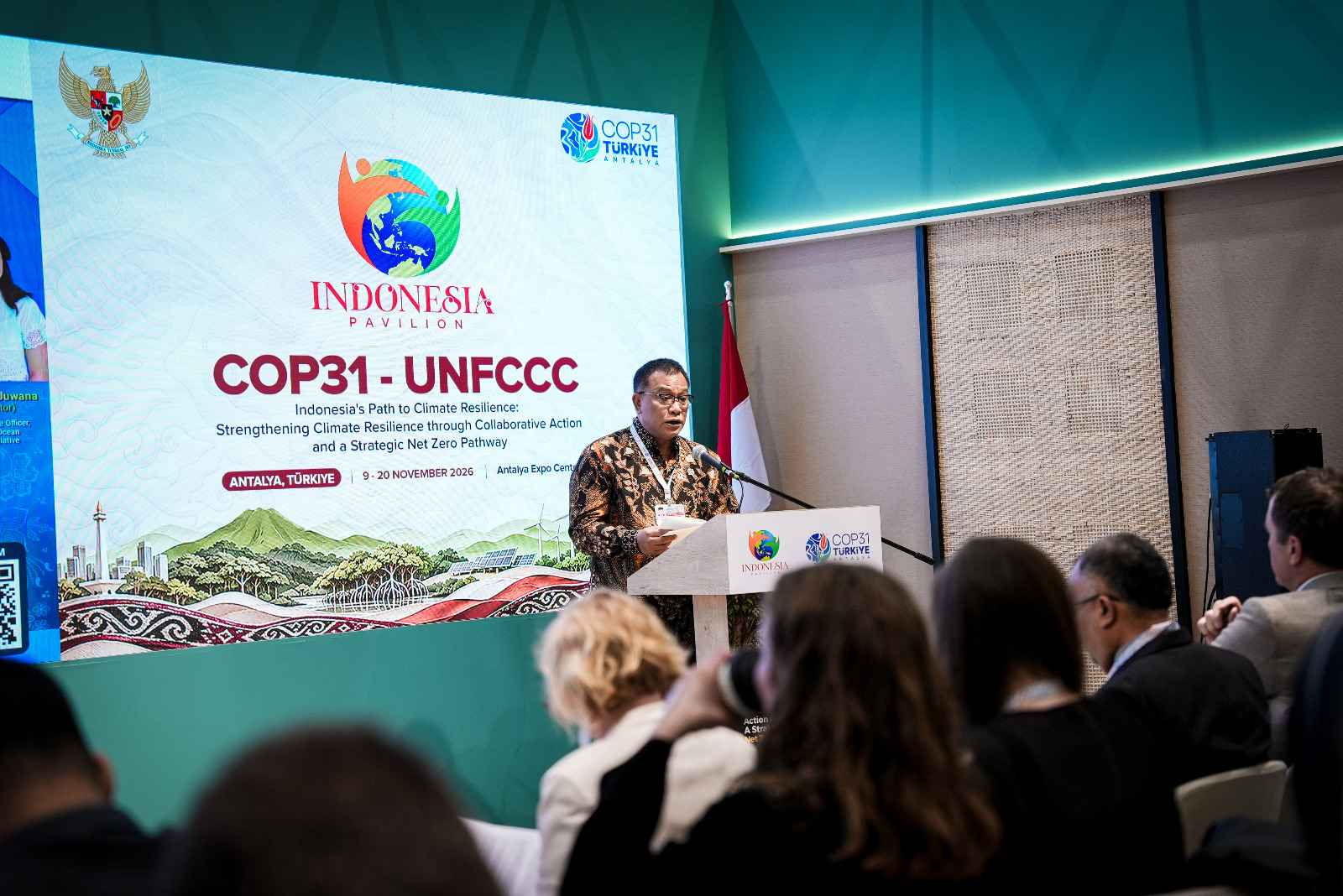
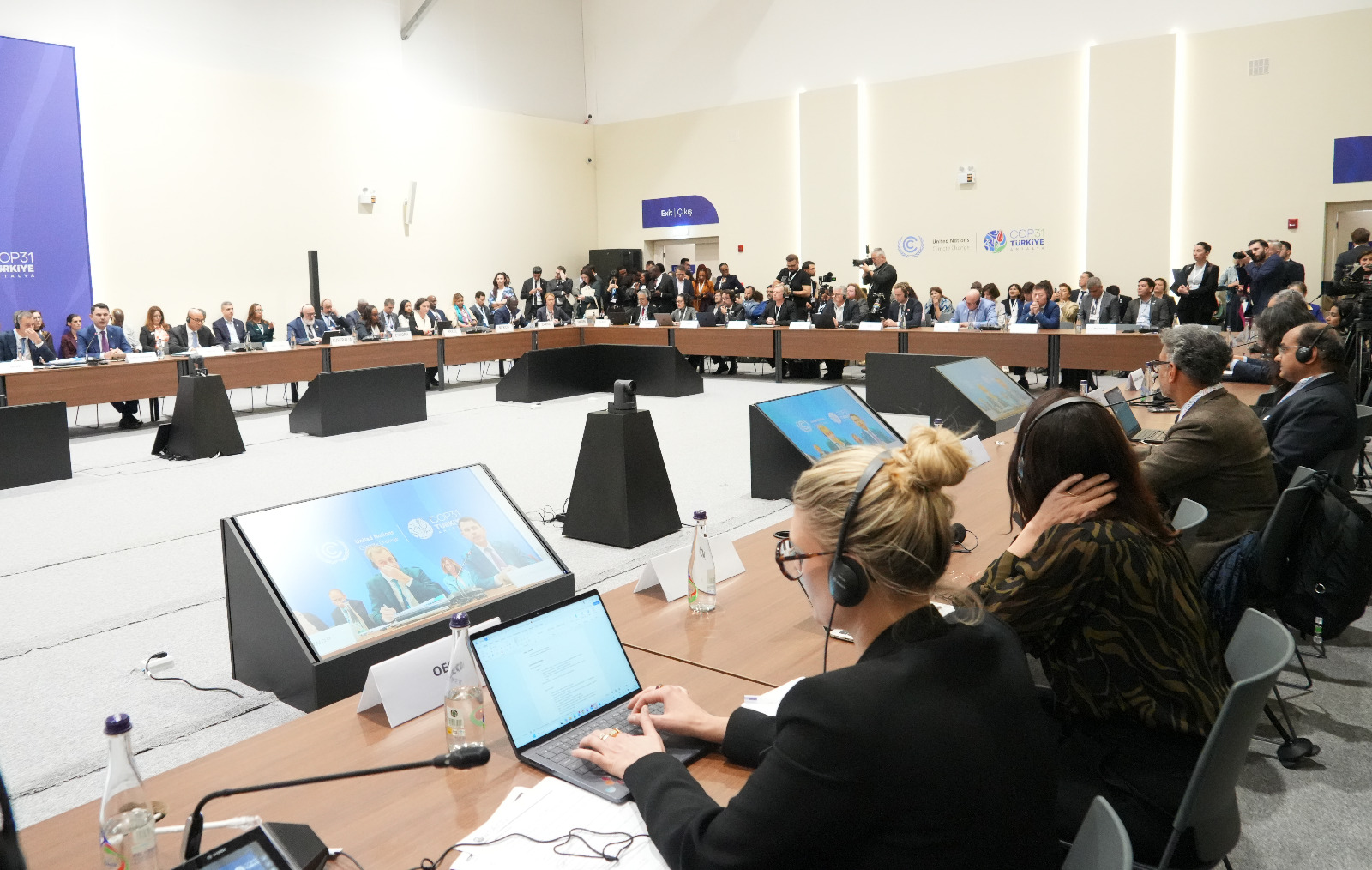
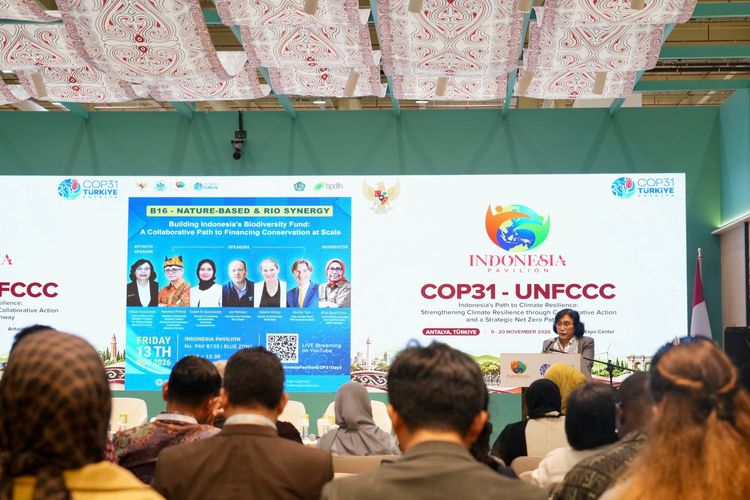
The initiative was highlighted by Haruni Krisnawati, Expert Staff to the Forestry Minister for Climate Change, during a session titled “Building Indonesia’s Biodiversity Fund: A Collaborative Path to Financing Conservation at Scale” at the Indonesian Pavilion during the 31st United Nations Climate Change Conference (COP31) in Antalya, Türkiye, on Nov. 13, 2026.
Haruni said biodiversity loss had become an increasingly urgent global challenge. According to assessments by the Intergovernmental Science-Policy Platform on Biodiversity and Ecosystem Services (IPBES), around one million species worldwide face the risk of extinction. The crisis threatens not only natural ecosystems but also human well-being and sustainable development.
“Closing the biodiversity financing gap requires not only more funding, but also smarter and more sustainable financing mechanisms that can align conservation with development,” Haruni said.
As one of the world’s most biodiverse countries, Indonesia has a major responsibility to protect its forests, peatlands, mangroves and other natural ecosystems. These areas provide habitats for numerous species, regulate the climate, strengthen ecosystem resilience and support the livelihoods of millions of people.
To address long-term financing needs, Indonesia launched IBioFund on June 3, 2025, through an initiative involving the Ministry of Forestry, the Environmental Fund Management Agency (BPDLH) and the Ministry of Finance.
The mechanism is designed to mobilize and distribute funding from various sources, including grants, endowment funds, direct investment and capital market instruments that meet environmental and social standards.
Haruni emphasized that conservation financing could not be the responsibility of a single ministry or institution. Effective biodiversity protection requires cooperation among the government, businesses, civil society organizations, Indigenous communities, local communities and development partners.
Indonesia is promoting three main areas of collaboration: integrating biodiversity conservation into national and regional development planning, strengthening the role of Indigenous peoples and local communities, and expanding international partnerships to support sustainable financing and conservation activities on the ground.
“Biodiversity conservation and economic development are not conflicting objectives; they can reinforce one another. No country can protect biodiversity alone. Ecosystems transcend national borders, and our cooperation must do the same,” Haruni said.
Indonesia is also seeking to align biodiversity conservation financing with climate action. Through its FOLU Net Sink 2030 programme, the government continues to strengthen forest protection, sustainable forest management, ecosystem restoration and efforts to increase forest carbon stocks.
The country’s experience with REDD+ and results-based financing also provides lessons for developing transparent and accountable conservation funding governance.
The dialogue, organized in collaboration with BPDLH, featured Nandang Prihadi, Secretary of the Directorate General of Natural Resources and Ecosystem Conservation at the Ministry of Forestry; Endah Tri Kurniawaty, BPDLH Director of Fundraising and Investment; Joe Walston, Executive Vice President of the Wildlife Conservation Society; Valerie Hickey, World Bank Director for Environment; and Nicolai Tust, Chief Climate Officer at KfW Development Bank.
Moderated by Diah Suradiredja of WWF-Indonesia, the discussion examined innovative financing instruments, conservation fund governance and opportunities for international partnerships to strengthen IBioFund.
Haruni concluded that biodiversity protection should be viewed not merely as an expense but as an investment in ecological resilience, sustainable development and the shared future of society.
She called for stronger partnerships to turn collective commitments into concrete action, ensuring biodiversity remains protected, ecosystems become more resilient and communities enjoy greater prosperity. (*)