Enviro News Asia, Antalya — Indonesia and Madagascar are exploring cooperation on forest carbon financing, community-based natural resource management and climate resilience as both countries seek to strengthen forest protection while improving local livelihoods.
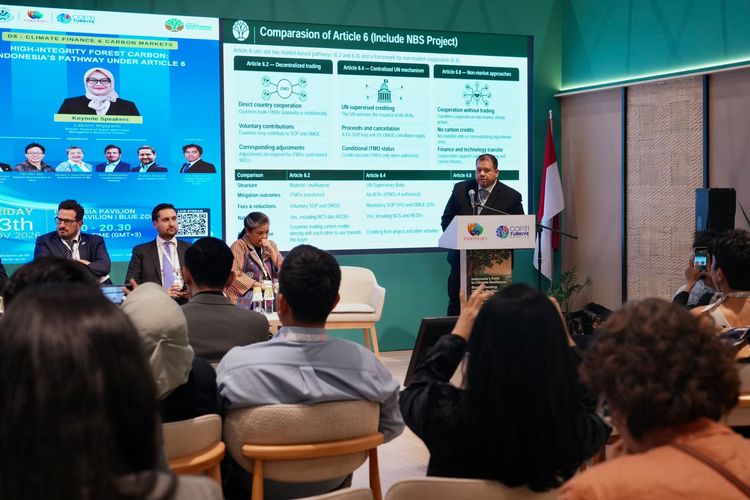
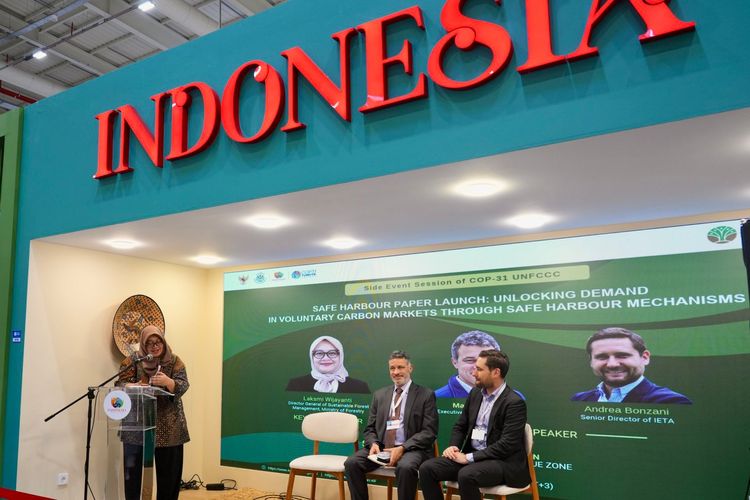
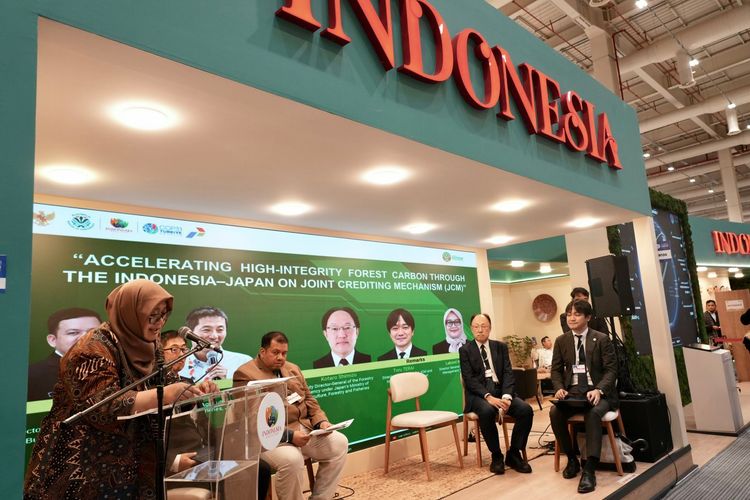
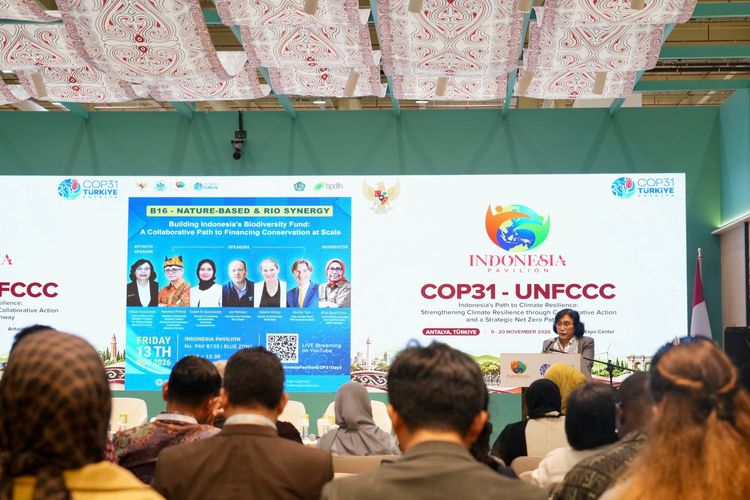
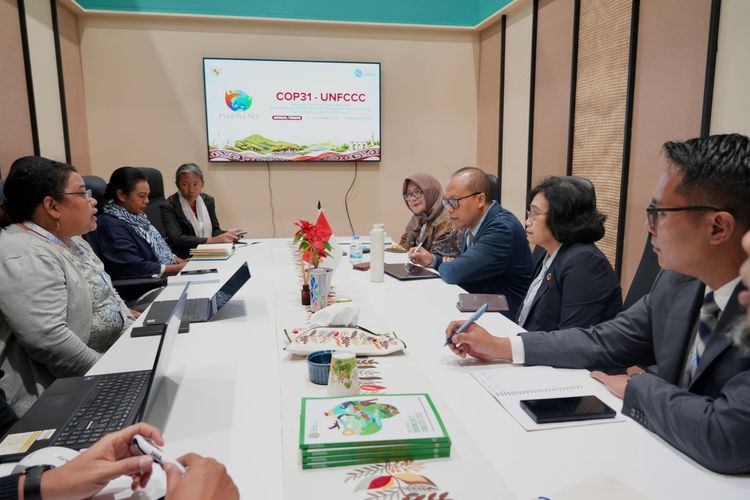
The initiative was discussed during a bilateral meeting at the Indonesian Pavilion at the 31st United Nations Climate Change Conference (COP31) in Antalya, Türkiye, on Nov. 14, 2026.
The Indonesian delegation was led by Laksmi Wijayanti, Director General of Sustainable Forest Management at the Ministry of Forestry, accompanied by Haruni Krisnawati, the ministry’s Expert Staff for Climate Change, and Ristianto Pribadi, Head of the Bureau of Public Relations and International Cooperation.
Madagascar was represented by Vahatriniaina Rakotosolomalala, who oversees environmental risk management and programme safeguards.
The Madagascar delegation expressed interest in learning from Indonesia’s experience in developing forest carbon financing and community-based natural resource management. The interest is linked to a community resilience programme being implemented in three regions of southern Madagascar, covering 235 communes, or local administrative areas.
Although the regions have developed local development plans that incorporate climate change considerations, they still need financial support to implement them. Indonesia’s experience in connecting forest management, community empowerment and access to funding was therefore a key focus of the knowledge exchange.
The Ministry of Forestry explained that forest carbon development in Indonesia is part of a broader sustainable landscape management approach. Carbon activities need to be integrated with forest rehabilitation, agroforestry, forest product utilization and the development of alternative livelihoods for local communities.
The ministry also highlighted the importance of strengthening Social Forestry programmes, protecting the rights of Indigenous peoples and ensuring fair benefit-sharing arrangements.
Indonesia shared its experience with results-based payments and contributions for emissions reductions, forest monitoring systems, and environmental and social safeguards. These experiences demonstrate the importance of institutional readiness, credible measurement and verification systems, and transparent fund distribution to ensure carbon financing delivers tangible benefits at the local level.
Beyond carbon financing, the two countries discussed climate-related challenges to community resilience, particularly the effects of El Niño, which increase the risks of drought and forest fires.
Indonesia emphasized the need for early warning systems, community-based fire prevention, and agricultural practices and alternative livelihoods that reduce dependence on fire use.
The meeting also identified opportunities for technical cooperation to strengthen institutional capacity and community-based programme management. Both countries share an interest in ensuring that forest protection and climate action deliver not only environmental benefits but also stronger economic and social resilience for local communities.
As a follow-up, Indonesia proposed exploring cooperation through the South-South Cooperation framework, including the possible development of a Letter of Intent (LoI) or Memorandum of Understanding (MoU).
The two sides also discussed holding technical workshops to exchange experience on community-based carbon projects, benefit-sharing mechanisms and access to financing.
The Ministry of Forestry said the bilateral engagement was expected to broaden Indonesia’s cooperation with developing countries on sustainable forest management and climate financing. The exchange could serve as an initial step toward partnerships that support ecosystem protection, community resilience and sustainable development. (*)