Enviro News Asia, Antalya — About 70 percent of countries now report having multi-hazard early warning systems, but major gaps remain in the world’s most disaster-prone communities, according to a report released by the World Meteorological Organization (WMO) and the United Nations Office for Disaster Risk Reduction (UNDRR).
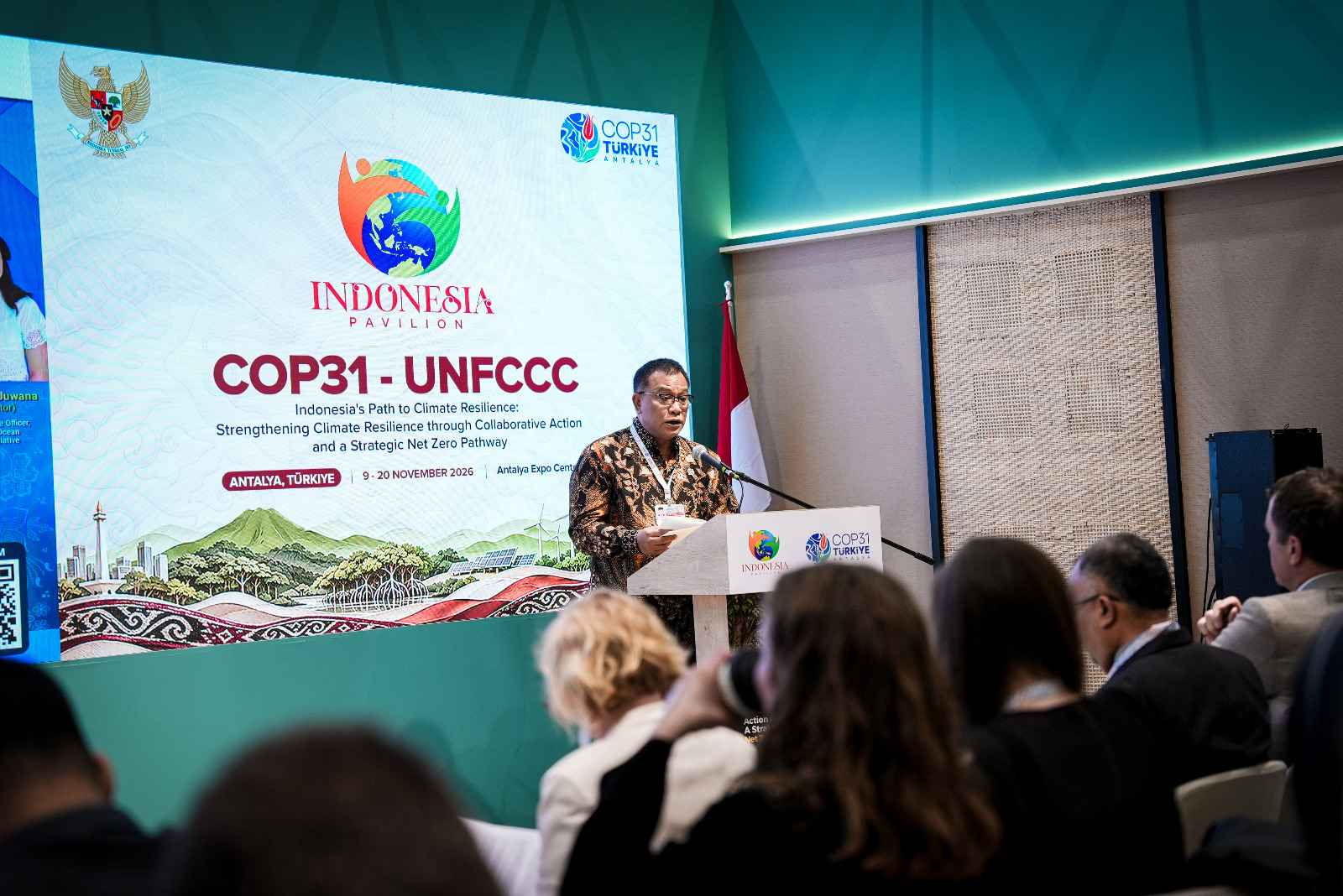
The Global Status of Multi-Hazard Early Warning Systems 2026, released on Nov. 11 during the COP31 climate conference in Antalya, Türkiye, found that 136 countries had reported some capacity to warn against multiple hazards. That was 17 more than in March 2025 and represented a 143 percent increase since global reporting began in 2015.
The report found that countries with more comprehensive warning systems recorded 6.1 times fewer disaster-related deaths than those with limited or moderate capabilities. They also had 3.2 times fewer people affected by disasters.
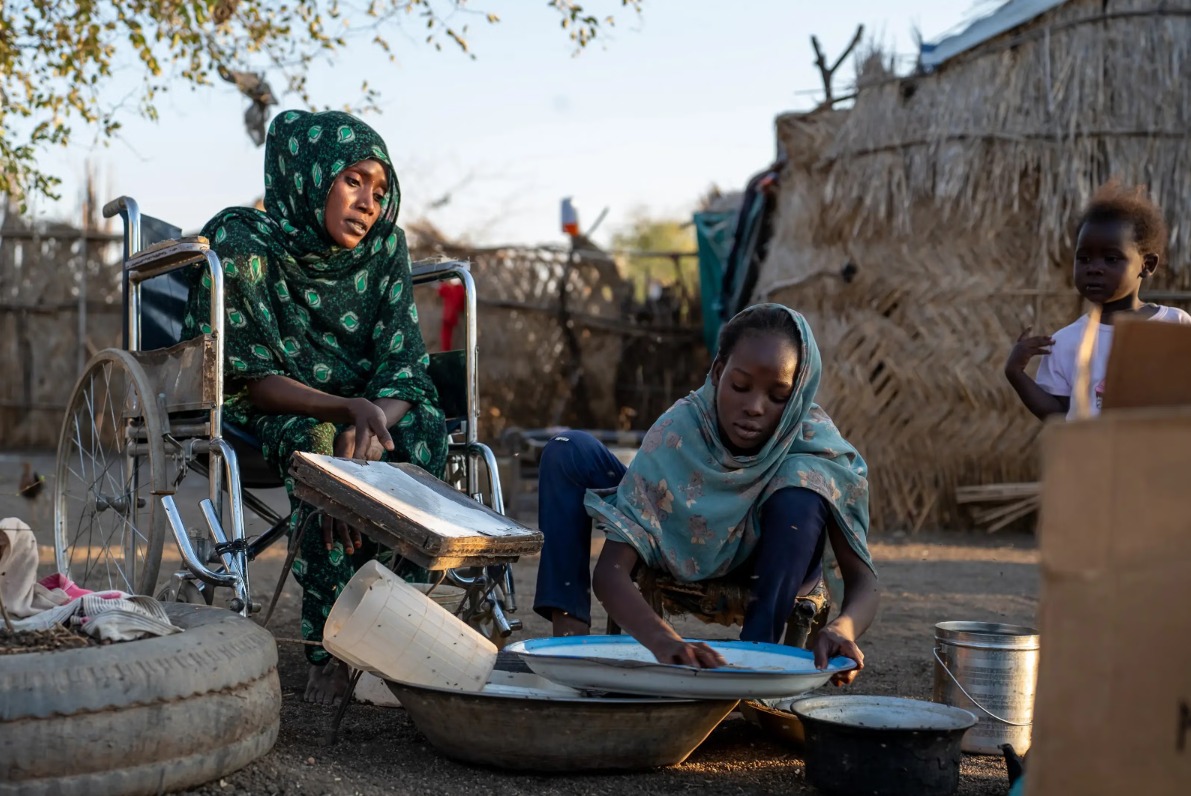
Despite the progress, small island developing states (SIDS) reported the lowest coverage, while least developed countries (LDCs) had the lowest overall scores for system comprehensiveness. The latter group, however, recorded the greatest improvement from its initial assessment.
“Countries have made significant progress in strengthening their early warning systems, but too many people remain unprotected,” said Kamal Kishore, the UN secretary-general’s special representative for disaster risk reduction and head of UNDRR.
He called for early warning and early action in the most vulnerable countries to become a global priority.
The findings come as an intensifying El Niño threatens to increase extreme weather in several parts of the world. WMO warned that the current event could become unusually strong, raising the risk of cascading weather-related impacts.
“While we cannot stop El Niño, we can prevent many of its worst human consequences,” WMO Secretary-General Celeste Saulo said. She added that early warning systems gave governments and communities an opportunity to prepare before extreme weather escalated into humanitarian disasters.
The report was released alongside a high-level event in Antalya attended by UN Secretary-General António Guterres, focusing on the Early Warnings for All initiative.
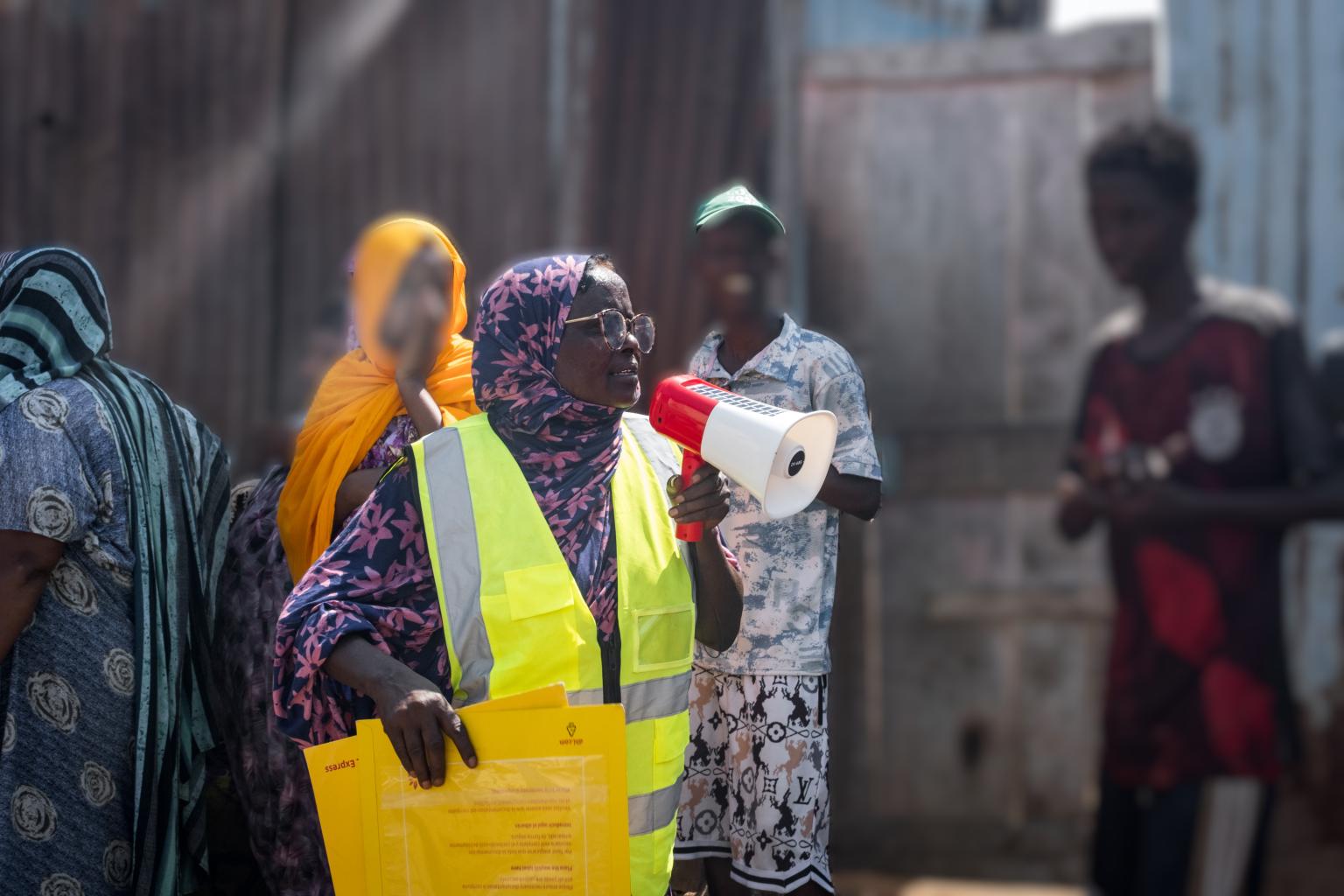
The agencies stressed that warning systems are effective only when forecasts trigger timely action. This requires coordination among government agencies, community involvement, preparedness plans and reliable financing.
In 2025, the number of active anticipatory action frameworks increased by 70 percent, rising from 154 to 262 across 75 countries. A total of 146 activations were recorded in 54 countries, directly reaching 9.6 million people. The interventions were supported by US$119.9 million in pre-arranged financing.
Regional coverage has also improved, with every region reporting early warning systems in at least half of its countries.
Africa recorded the largest increase over the past year, with 11 additional countries reporting some early warning capabilities, bringing regional coverage to 77 percent. Europe and Central Asia maintained the highest level of system comprehensiveness, while the Arab States recorded the lowest.
The report also noted improvements in weather observation networks. In 2025, the share of WMO members providing data from at least one station compliant with the Global Basic Observing Network rose to 52 percent, up from 37 percent in 2023.
Mobile-based public warning systems continued to expand. By June 2026, 38 countries had fully operational Cell Broadcast systems, while another 17 were in the final stages of developing them.
The annual report, jointly produced by WMO and UNDRR since 2022, tracks progress towards Target G of the Sendai Framework for Disaster Risk Reduction 2015–2030. It also serves as a key monitoring tool for the Early Warnings for All initiative. (*)