Enviro News Asia, Jakarta — The Senate of Universitas Pembangunan Nasional “Veteran” Jakarta (UPNVJ) has urged the Ministry of Higher Education, Science and Technology to provide clarity on the continuation of the university’s rector election for the 2026–2030 term, including a clear timetable for the remaining stages.
The Senate said the election should follow the principles of good university governance, comply with applicable regulations and uphold institutional accountability. It also stressed the importance of ensuring an objective, transparent and credible process free from undue influence and consistent with academic ethics.
The election process was prepared in accordance with UPNVJ’s statute, Senate regulations on rector elections and other relevant provisions. The stages generally comprise candidate nomination, screening, election, appointment and inauguration.
Preparations for the 2026–2030 election began in 2026, including the establishment of an election committee through a rector’s decision dated May 13. On June 19, the committee notified the ministry of the selection process and publicly opened candidate registration.
Six people registered during the nomination stage. Following administrative screening, four were declared prospective candidates: Sakroni, Anter Venus, Memen Kustiawan and Abdul Halim.
During this period, some Senate members received anonymous letters containing allegations against one of the prospective candidates. The Senate said information should be verified and handled ethically, cautioning against circulating unsubstantiated accusations.
On July 30, the prospective candidates presented their visions and missions before the Senate conducted the screening vote. Three candidates advanced: Anter Venus received 30 votes, while Memen Kustiawan and Abdul Halim each received two votes.
The Senate clarified that these figures represented the screening results, not the final outcome of the rector election, which requires a joint election with the minister. The Senate submitted its screening report to the ministry in a letter dated Aug. 3.
Under the applicable rules, the minister holds 35 percent of the voting rights in the subsequent election stage.
The ministry later received complaints concerning, among other matters, Senate membership and the rector election process. These complaints were followed up through clarification procedures.
In a letter dated Sept. 22, 2026, the Secretary of the Directorate General of Higher Education, under reference No. 4166/DST/B1/KP.05.02/2026, stated that supporting documents concerning the arrangement of Senate membership had been fulfilled and that the election process could proceed to the next stage in accordance with regulations.
The Senate emphasised that the letter should not be interpreted as a conclusion on all matters raised in the complaints or on any subsequent examination.
The minister of higher education, science and technology interviewed the three rector candidates on Oct. 12. However, the joint election with the minister had not taken place by the end of the incumbent rector’s term on Oct. 26.
The ministry subsequently appointed an acting rector, effective Oct. 27, to maintain continuity in the university’s operations.
The Senate said it respected the minister’s authority and the appointment of the acting rector, while awaiting official information on the schedule and procedures for the next election stage. It also said it would not speculate about the reasons for the delay.
The ministry’s Inspectorate General conducted an examination of compliance with the rector election procedures and Senate membership arrangements from late October to early November. The Senate said it had cooperated by providing information as requested and was awaiting official findings and details of any follow-up measures that could be disclosed under applicable regulations.
To prevent prolonged uncertainty, the Senate proposed that the ministry establish a clear deadline for receiving complaints related to the election stages. Complaints submitted within that period, it said, should undergo comprehensive and objective clarification by the Inspectorate General, with a defined timetable for completion and follow-up.
The proposed mechanism is intended to provide certainty over the election schedule without limiting the ministry’s authority to handle complaints in accordance with the law.
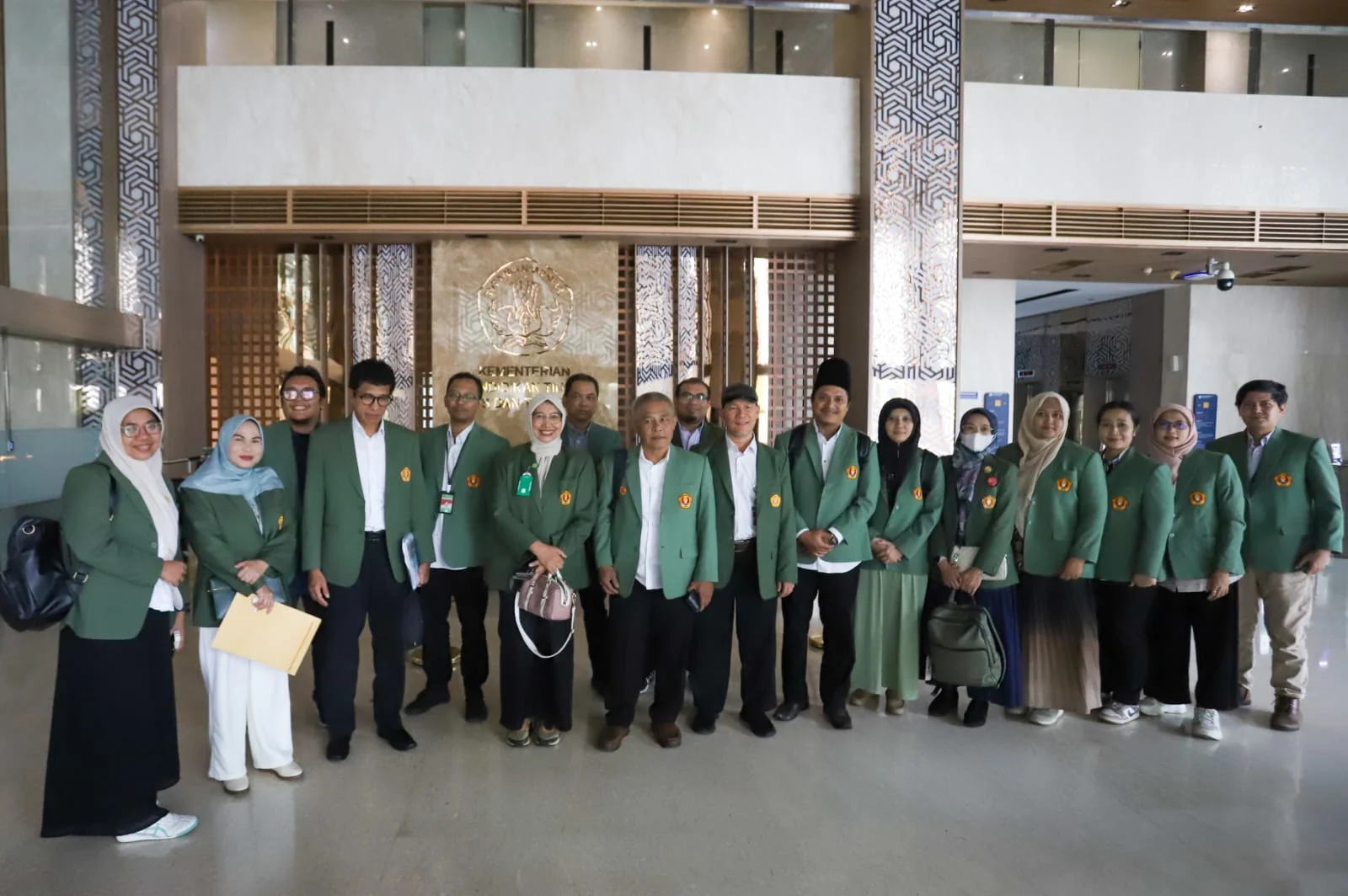
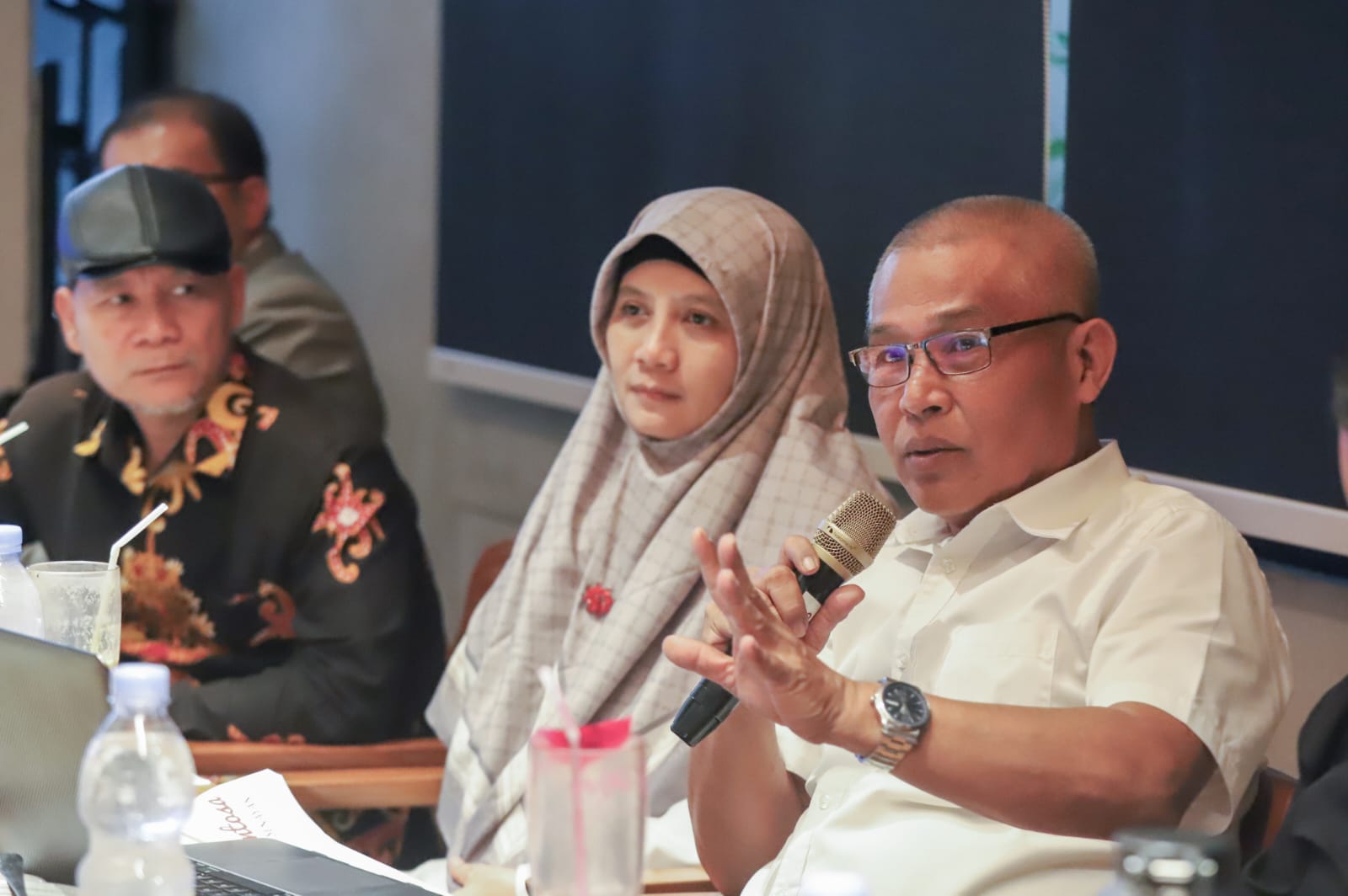
During an audience with ministry officials on Nov. 12, the Senate sought clarification on the status and follow-up of the examination, the continuation of the rector election and the planned schedule for the joint election with the minister.
The Senate said the meeting was intended to strengthen constructive institutional communication, ensure procedural certainty, maintain a conducive campus environment and safeguard the continuity of university operations.
It stressed that the meeting was not intended to support any particular candidate or assign blame to any party. (*)