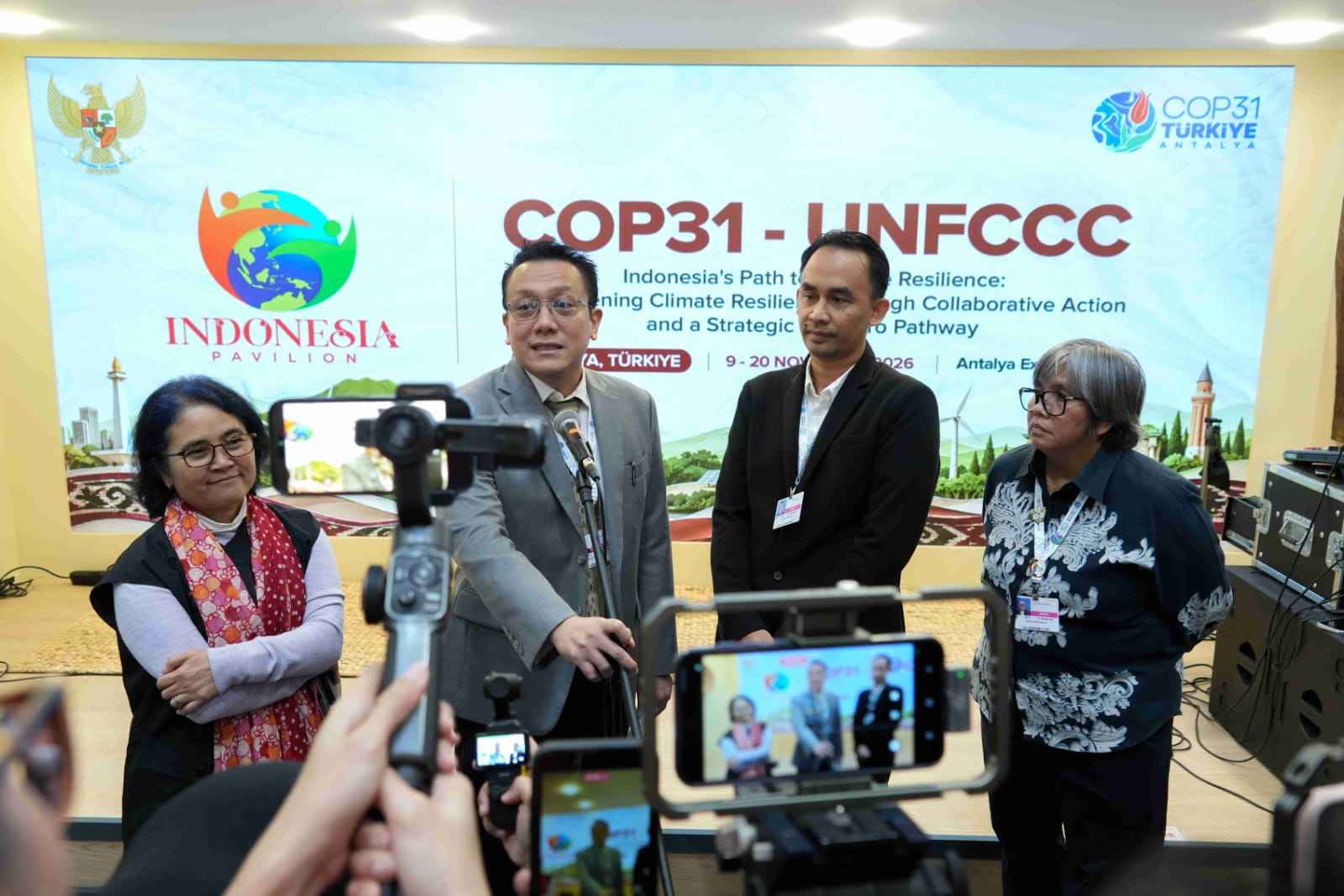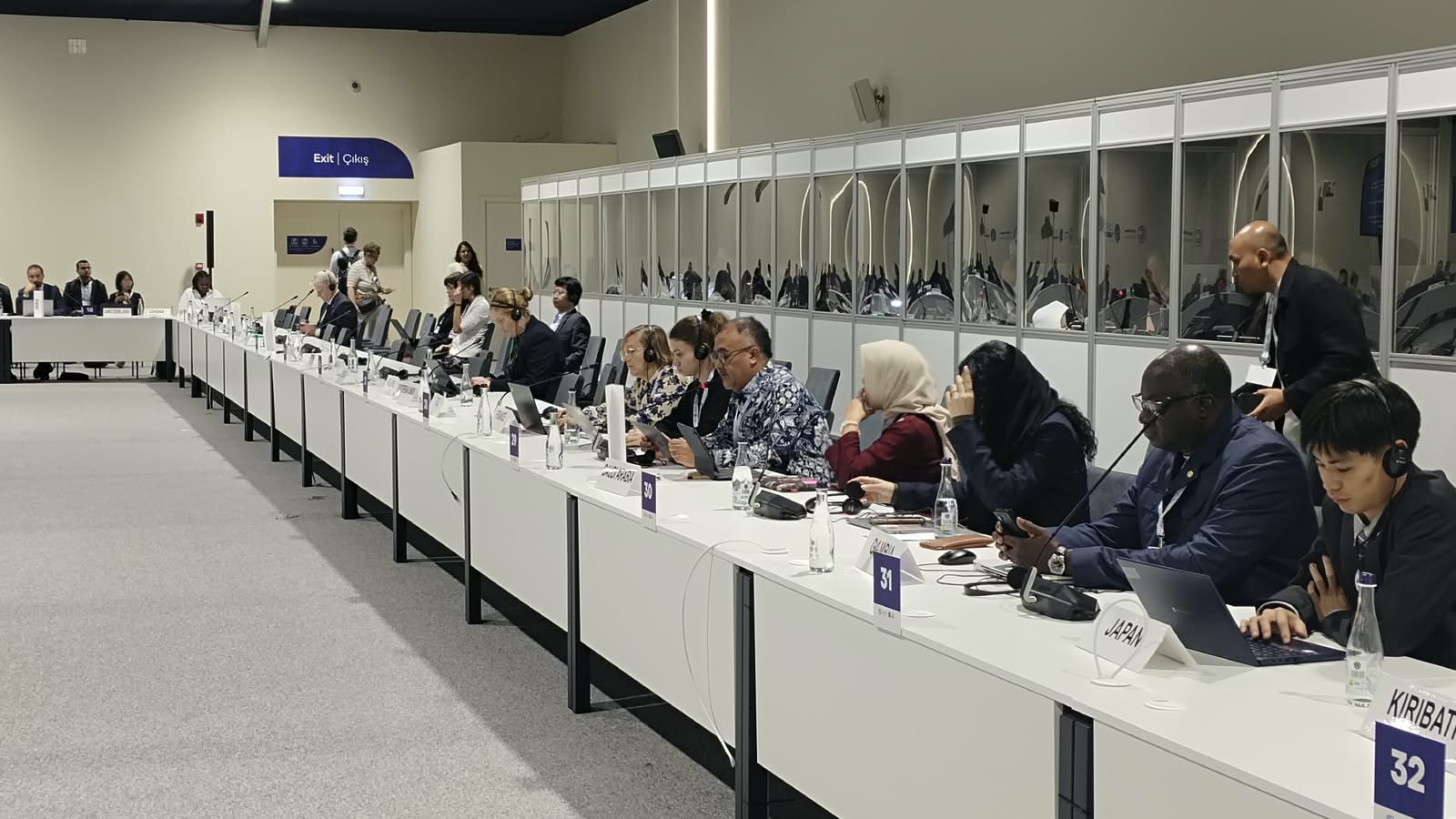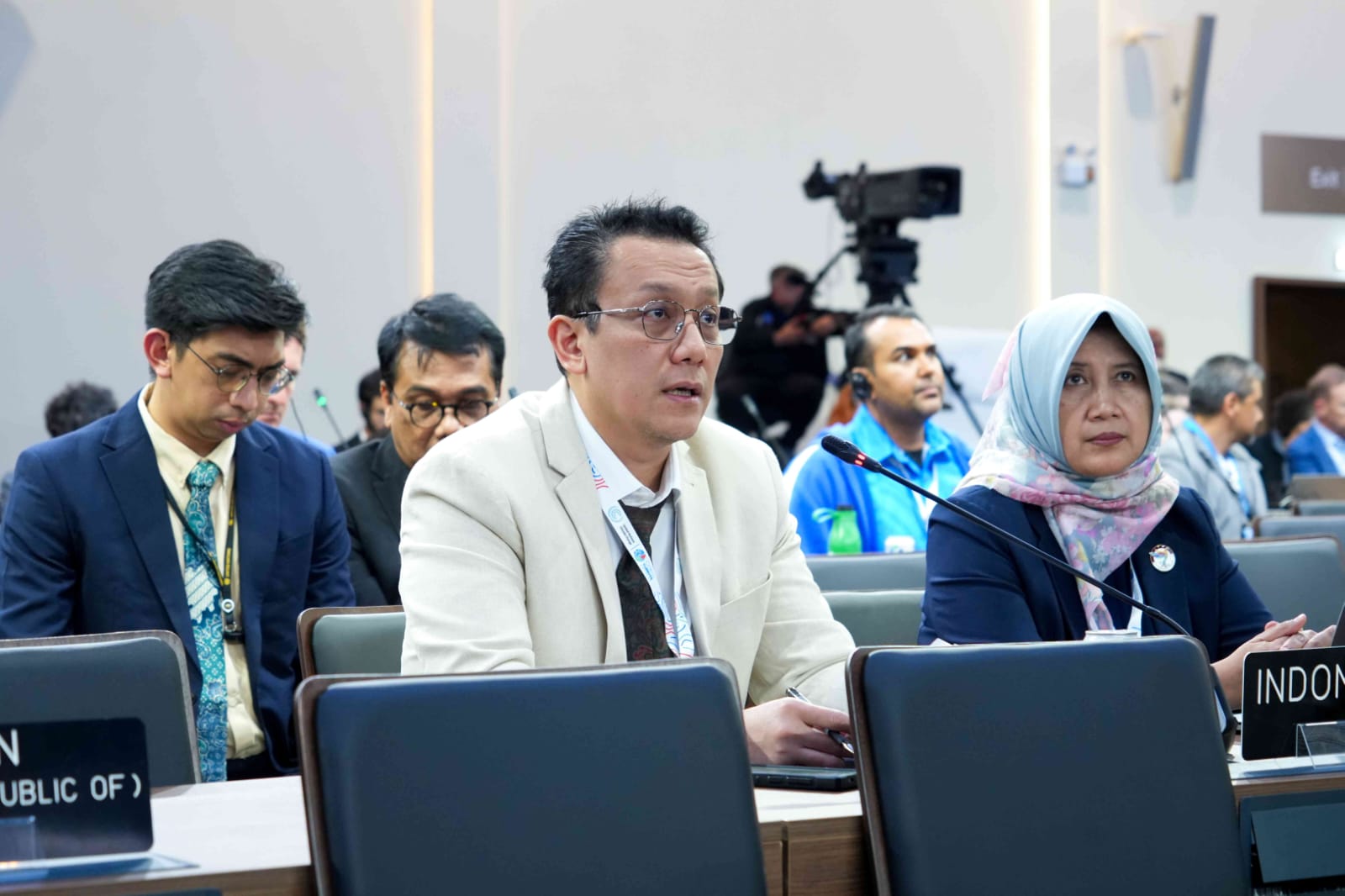
Enviro News Asia, Antalya — Indonesia has called for a fairer distribution of climate finance and stronger support for developing countries, warning that global climate action remains uneven as emissions continue to rise and access to funding and technology remains limited.
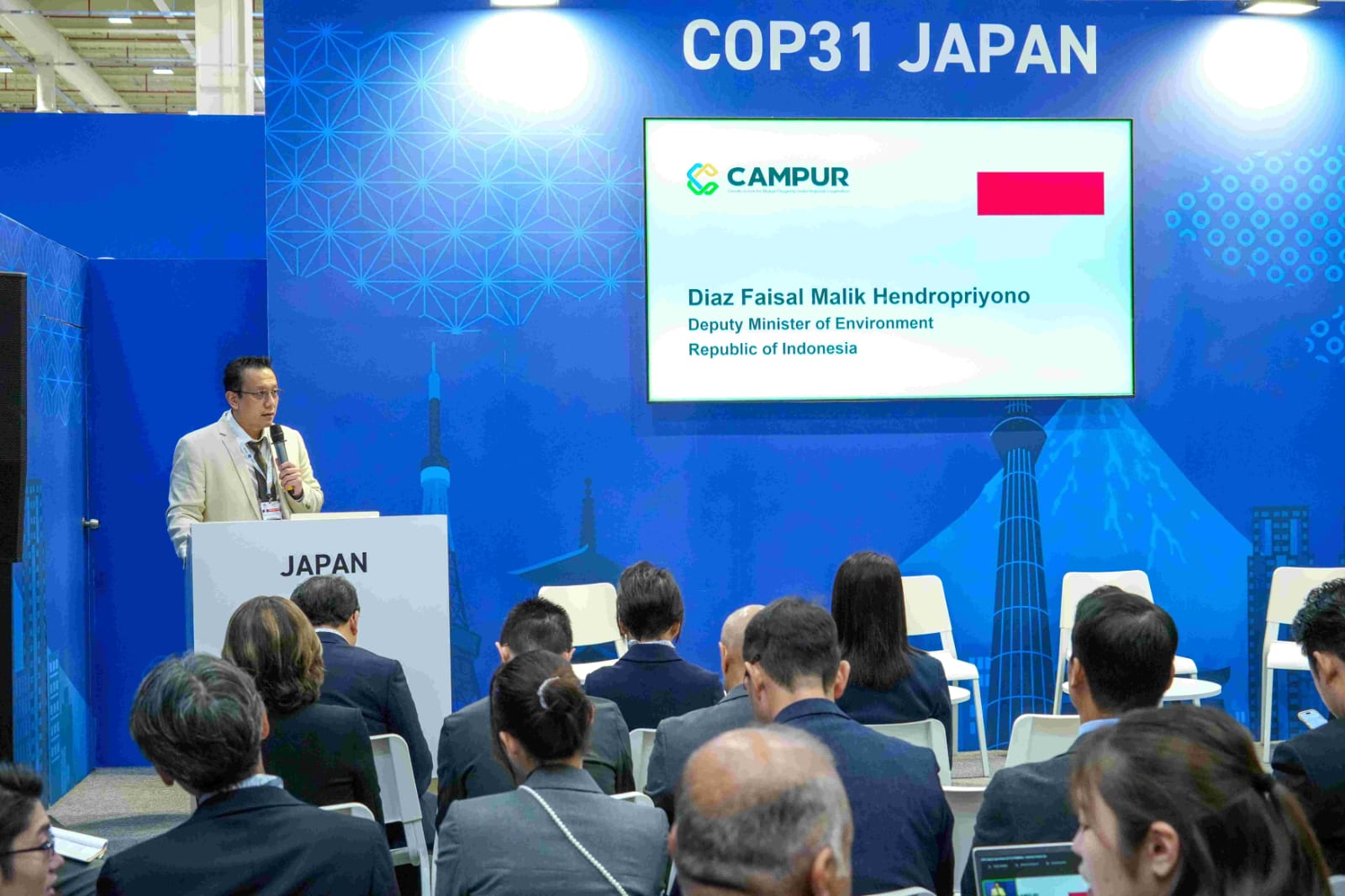
Deputy Environment Minister and Deputy Head of the Environmental Control Agency (KLH/BPLH) Diaz Hendropriyono raised the concerns during the official launch of the Second Global Stocktake (GST-2) at the 31st United Nations Climate Change Conference (COP31) in Antalya, Türkiye, on Nov. 18.
Addressing delegates from member countries of the United Nations Framework Convention on Climate Change (UNFCCC), Diaz said the global climate response had yet to deliver balanced progress. While greenhouse gas emissions continued to increase, developing countries still faced structural barriers to accessing climate finance and the technical support needed to implement their climate commitments.
“Progress in global climate action remains uneven. Emissions continue to rise, while access to climate finance and the means of implementation remain major challenges for developing countries,” Diaz said. He called for faster climate action alongside adequate support to make those efforts possible.
The Global Stocktake is a collective assessment conducted every five years under the Paris Agreement to evaluate global progress towards limiting the rise in average temperatures. Its findings are intended to guide countries in strengthening their climate commitments and implementation efforts.
Drawing on Indonesia’s experience of incorporating the findings of the first Global Stocktake (GST-1) into the preparation of its Second Nationally Determined Contribution (Second NDC), Diaz said the follow-up had placed greater emphasis on emissions reduction than on financing and other forms of support.
“GST-1 findings became one of the inputs in preparing Indonesia’s Second NDC. However, the follow-up has focused more heavily on mitigation, while financing and other means of implementation have received relatively less attention,” he said.
Indonesia wants the second assessment to address this imbalance by giving equal consideration to emissions reduction, climate adaptation, financing, technology transfer and capacity building.
Diaz said the process must also uphold the principle of Common but Differentiated Responsibilities and Respective Capabilities (CBDR-RC), which recognises that countries share responsibility for addressing climate change but have different capacities and circumstances.
“Indonesia hopes GST-2 will give balanced attention to mitigation and adaptation, financing, technology transfer and capacity building, while maintaining the principle of common but differentiated responsibilities and respective capabilities,” he said.
The launch of GST-2 marks the beginning of a new international assessment of gaps in climate action. For Indonesia, its success should not be measured solely by the ambition of targets written into national commitments, but also by whether developing countries receive sufficient funding, technology and institutional support to carry out sustainable climate programmes. (*)