Enviro News Asia, Antalya — Indonesia has stressed the importance of sustainable peatland ecosystem management to strengthen forest and land fire prevention and improve resilience against extreme fire risks intensified by climate change.
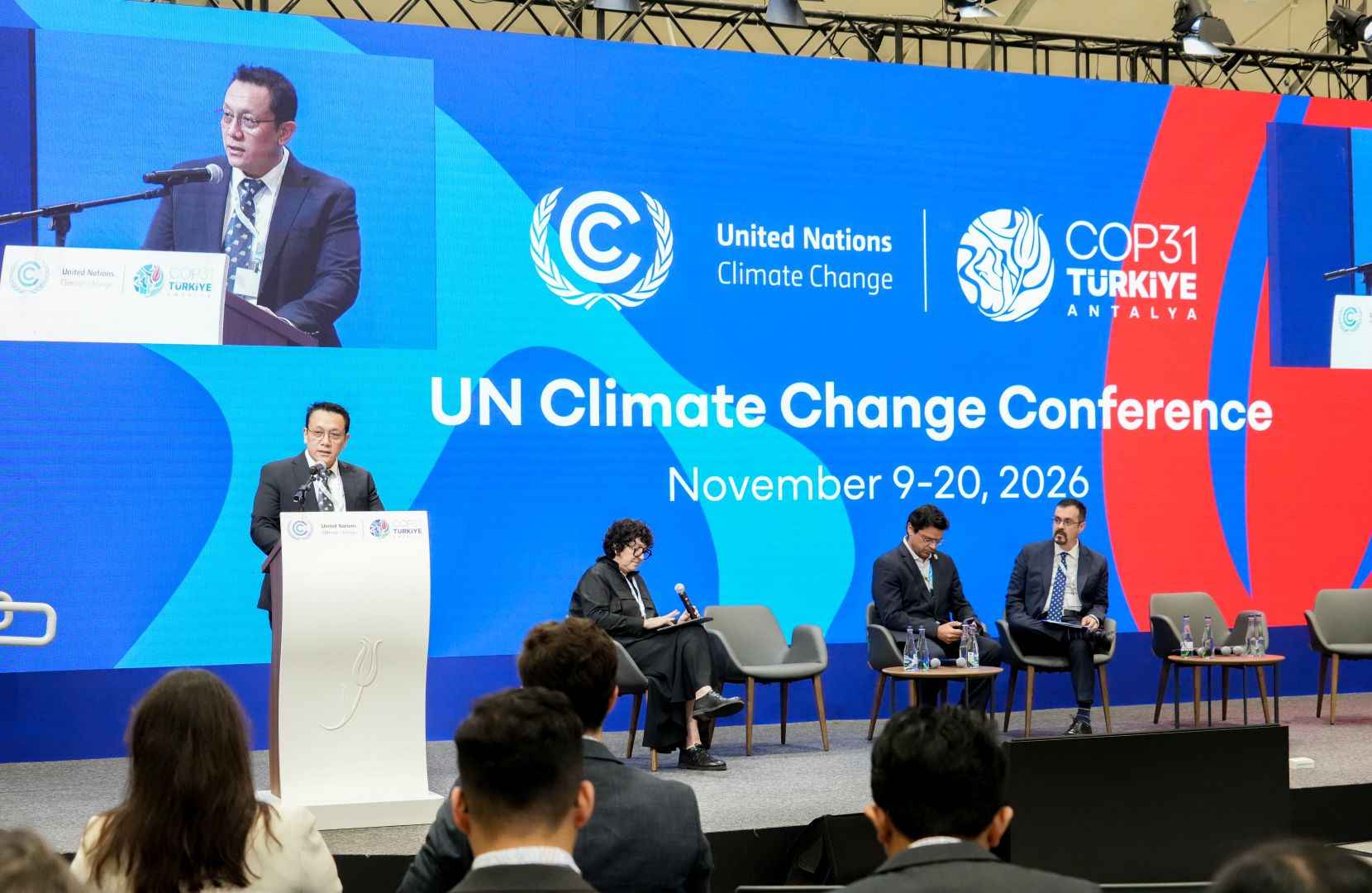
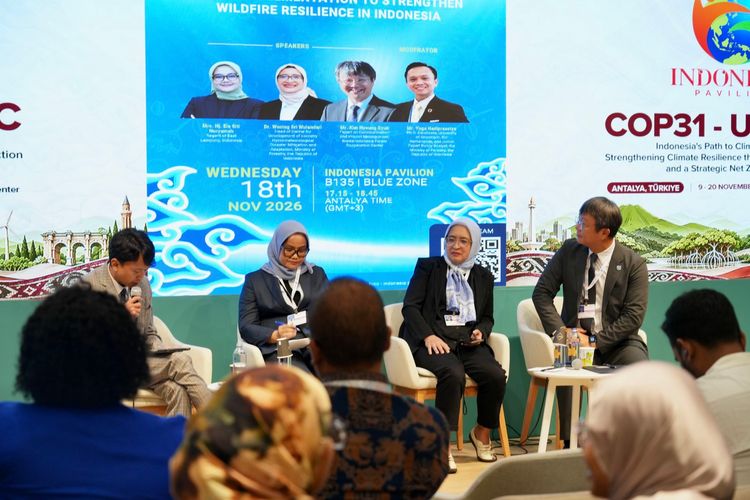
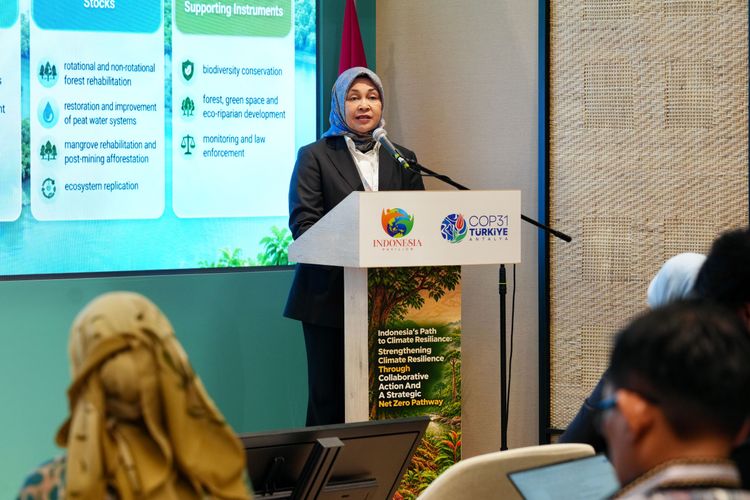
The message was delivered by Haruni Krisnawati, Expert Staff to the Forestry Minister for Climate Change, during a session titled “Synergy in Action: Accelerating High-Impact Peatland and Wildfire Solutions” at the 31st United Nations Climate Change Conference (COP31) in Antalya, Türkiye, on Tuesday (Nov. 17, 2026).
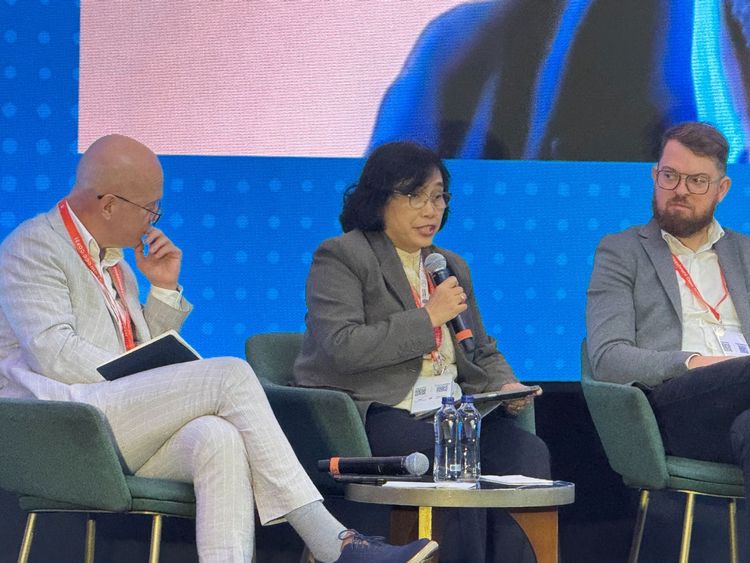
“Indonesia’s experience shows that peatland fire prevention must begin with ecosystem management, particularly by maintaining peatland hydrological conditions. Water management, fire risk monitoring and community involvement need to be integrated to make prevention efforts more effective,” Haruni said.
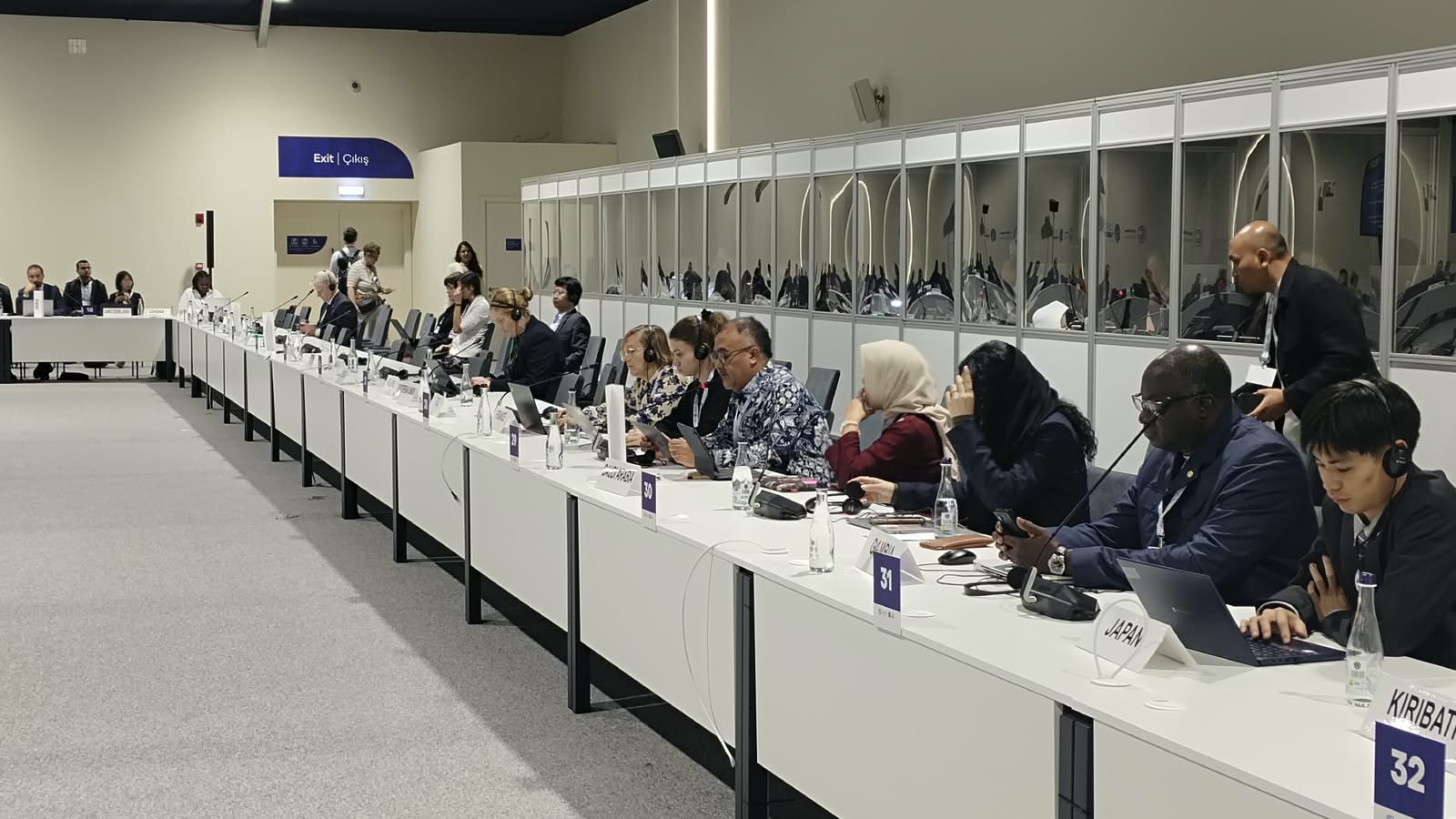
The event, organized by Wetlands International, the International Union for Conservation of Nature (IUCN) and the Food and Agriculture Organization (FAO), brought together representatives of countries and international organizations to exchange experiences in peatland protection and restoration, integrated fire management, and strengthening ecosystem and community resilience to climate change.
During a discussion titled “Peatland Fires and Wildfire Resilience: Protection, Rewetting and Integrated Fire Management,” Haruni explained that peatland forest ecosystem management remained a key priority in Indonesia’s forestry and national climate policies.
Indonesia has continued to strengthen peatland water management through ecosystem restoration and rewetting, canal blocking and groundwater-level monitoring. These measures are also being implemented in peatland areas managed by holders of forest utilization business permits and conservation area management units.
To prevent and control forest and land fires, Indonesia applies an integrated approach involving satellite-based hotspot monitoring, early warning systems, field verification, preparedness and coordinated firefighting operations.
Community participation through Fire Awareness Groups (Masyarakat Peduli Api/MPA) also plays an important role in supporting early detection and fire prevention.
Despite these efforts, forest and land fires remain a challenge, with fires also occurring this year. The situation underscores the need to strengthen preventive measures, particularly in anticipation of prolonged dry periods and rising risks of extreme fires.
The establishment of the National Peatland and Mangrove Management Agency (BPGMN) is expected to improve coordination in managing peatland and mangrove ecosystems through an integrated, science-based approach.
These initiatives also support Indonesia’s FOLU Net Sink 2030 target, particularly through peatland ecosystem protection, restoration and emissions reductions from forest and land fires.
Indonesia also outlined opportunities to expand international cooperation in peatland hydrology management, fire risk monitoring, early warning systems, community-based prevention and ecosystem restoration. Potential cooperation platforms include the Global Fire Management Hub and the International Tropical Peatlands Center (ITPC).
The forum was opened by Panama’s Minister of Environment and featured speakers from several countries and international organizations.
The first session included Camila Cosse Braslavsky of the Forest Stewardship Council (FSC), Ewan Andrew of Diageo and Guma Brian of Uganda’s Ministry of Water and Environment. They shared experiences in landscape management, peatland restoration and the benefits of these efforts for communities and the environment.
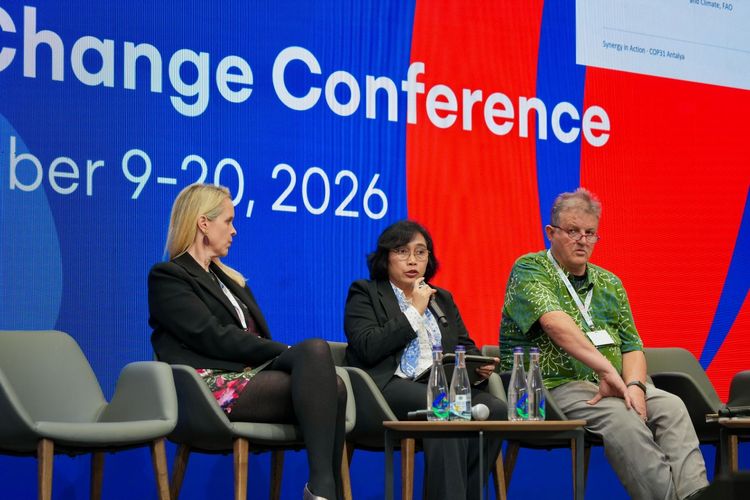
In the second session, Haruni joined Amy Duchelle of the FAO in discussing integrated fire management and the Global Fire Management Hub. Karen O’Connor of Earth Fire Alliance introduced FireSat technology for fire monitoring through a video presentation, while Faizal Parish of the Global Environment Centre highlighted the importance of sustainable land management and regional cooperation to prevent haze pollution in Southeast Asia.
The discussion was moderated by Eva Hernández of Wetlands International.
Through the forum, Indonesia reaffirmed its commitment to strengthening fire prevention through sustainable peatland management, science-based approaches, stronger institutional coordination and community participation.
International cooperation and the exchange of experiences are expected to support these efforts while improving the resilience of ecosystems and communities to future fire risks. (*)