

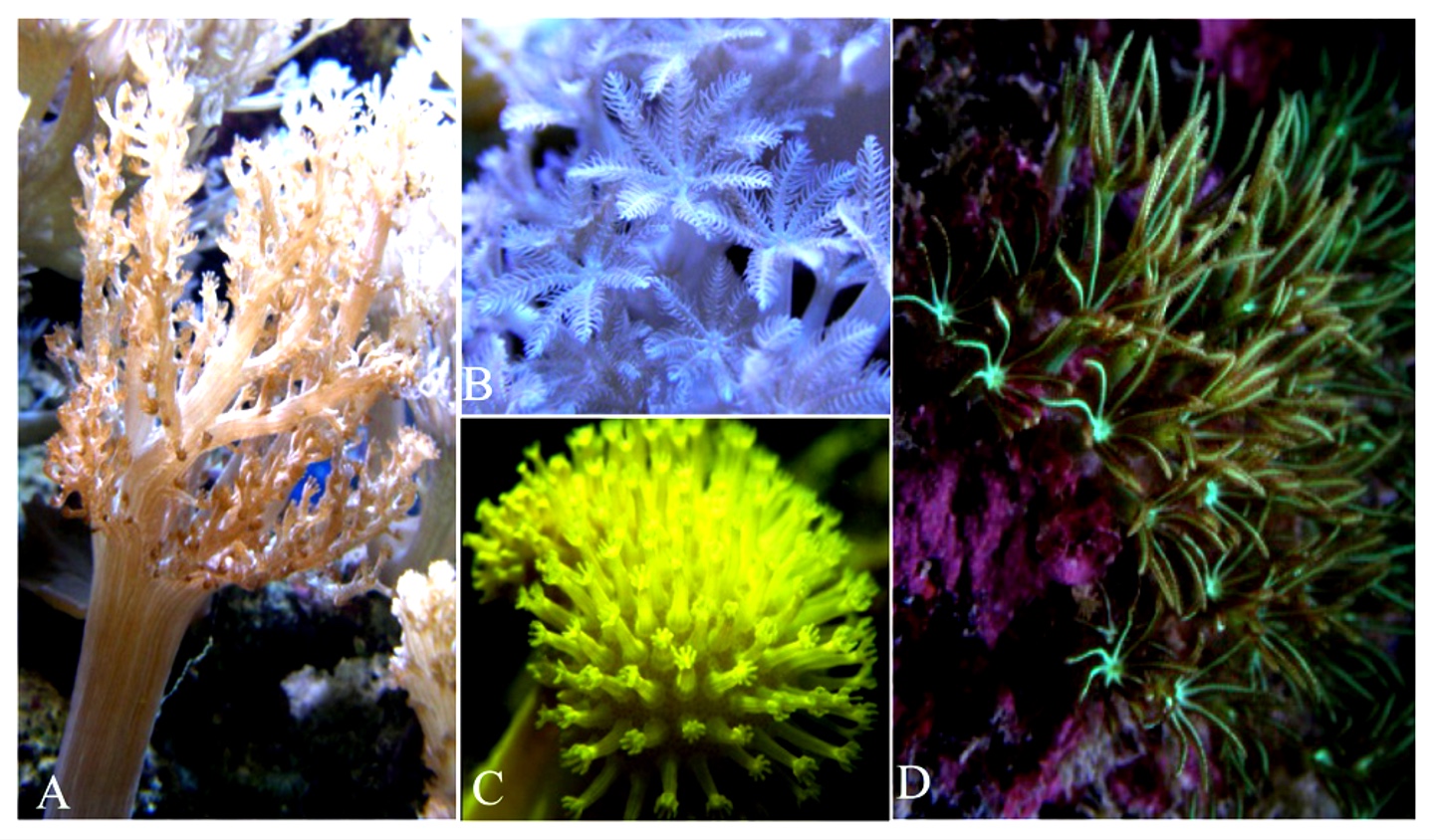
Coral reefs offer countless benefits. They serve as feeding grounds, nurseries, spawning areas, and habitats for marine life. Coral reefs also act as natural barriers, protecting coastlines from the pounding and erosion caused by waves. Additionally, coral reefs contribute significantly to marine tourism activities such as diving, snorkeling, and fishing. Coastal communities rely on catching high-value reef fish for their livelihoods. However, one untapped benefit of coral reefs is their role as a source of bioactive compounds for the discovery of new medicines.
Coral reefs produce bioactive compounds, which can be extracted and analyzed for their chemical properties to aid in the development of new drugs. These reefs thrive in tropical waters, such as those found in Indonesia. The Coral Triangle, covering 75,000 square kilometers across six countries, including Indonesia, hosts at least 520 coral species. This diverse collection of bioactive compounds holds immense potential for developing marine-based medicines.
Marine bio-pharmacology is currently being advanced by collecting bioactive compounds from coral reefs, synthesizing their chemical components, and conducting laboratory tests, followed by clinical trials in three phases. This process, which may take up to 10 years, has the potential to yield new drugs. If successful, the pharmaceutical industry stands to gain significant profits.
Indonesia has the opportunity to begin marine-based drug research by cultivating coral reefs specifically for bioactive compound extraction. With these bioactive compounds, Indonesian researchers can collaborate with international scientists to synthesize new chemical compounds for drug development. Any resulting patents should be co-owned by both Indonesian and foreign researchers, ensuring shared royalties when the prototype drugs enter the pharmaceutical industry.
The research institute Calbiochem, under the German pharmaceutical company Merck, predicts that anti-cancer and anti-tumor drugs derived from coral reef bioactive compounds in Indonesian waters will dominate the market over the next 20 years. Examples include Bastadine 5, Bastadine 19, and Bastadine Mixture, all of which are anti-cancer drugs. Meanwhile, Monoalide, another drug derived from coral bioactive compounds, has shown anti-inflammatory and antimicrobial properties.
During the upcoming International Coral Reef Conference, themed “Sustaining Coral Reefs: Science, Conservation, Resilience, and Development” in Manado from December 13–15, 2024, a special session will be held on the topic “Coral Reefs for Advancement of Pharmaceutical Science & Industry.” This session will feature Indonesian and international scientists, including experts from Hokkaido University, Japan, who will present a paper titled “Drugs From the Sea.”