Enviro News Asia, Washington, DC — Indonesia is seeking to strengthen its semiconductor industry by expanding cooperation with Arizona-based universities, research institutions and technology companies, as the United States state consolidates its position as a major hub for chip manufacturing and innovation.
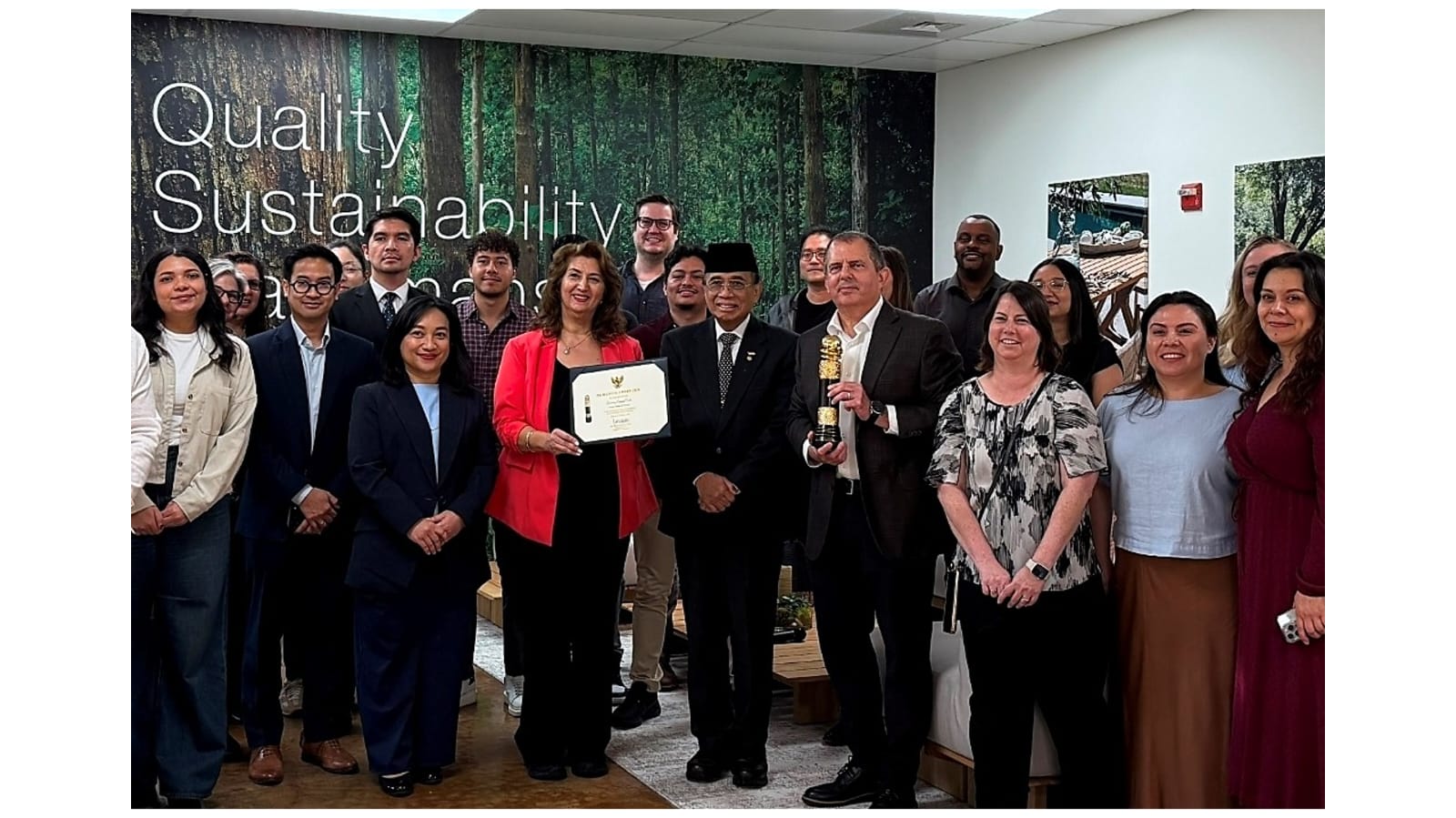
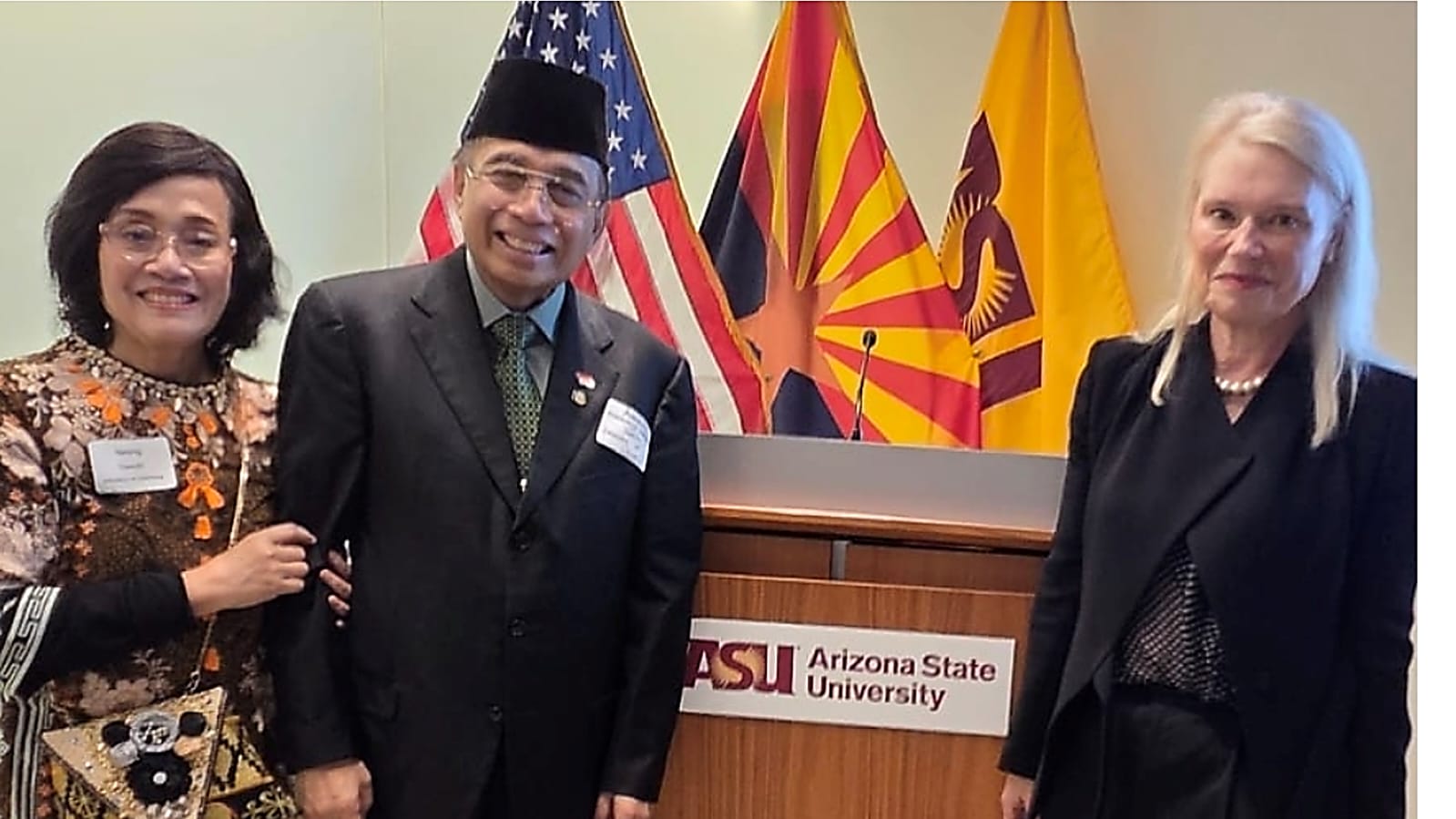
The initiative was highlighted at a reception hosted by the Phoenix Committee on Foreign Relations, the State of Arizona and Arizona State University (ASU) at the university’s Washington, DC, campus on Nov. 18, 2026. The event brought together foreign ambassadors, including Indonesian Ambassador Indroyono Soesilo, Arizona members of the US House of Representatives Greg Stanton, a Democrat, and Abe Hamadeh, a Republican, as well as US federal officials and representatives of industries and corporations investing in Arizona.
Arizona has attracted more than US$314 billion in investment related to semiconductor industry expansion since 2020, according to the Arizona Commerce Authority. Taiwan Semiconductor Manufacturing Company (TSMC) is among the largest investors. In July 2026, the company announced an additional US$100 billion investment, bringing its total commitment in Arizona to US$265 billion.
The investment is being implemented in stages, expanding chip production capacity while attracting suppliers, skilled workers and supporting businesses. The development of manufacturing plants, advanced packaging facilities and research centres is strengthening Arizona’s role in the US semiconductor supply chain.
Arizona State University has become an important part of this industrial ecosystem by supplying skilled graduates and helping turn scientific discoveries into technologies that can be adopted by manufacturers. Its partnerships with industry also help align academic programmes with the workforce requirements of the semiconductor sector.
One of ASU’s major initiatives is the US$270 million Materials-to-Fab Center, developed in partnership with Applied Materials and supported by the Arizona Commerce Authority. Inaugurated in October 2025, the facility supports research and development in materials, manufacturing processes, measurement and prototyping using industrial-scale equipment.
ASU is also advancing chip packaging technology through SHIELD USA, a collaboration with Deca Technologies that was selected for a proposed US federal funding package of up to US$100 million. Meanwhile, the Southwest Advanced Prototyping Hub is designed to accelerate the development of microelectronics prototypes for strategic applications.
For Indonesia, cooperation with ASU provides an opportunity to gain access to this established research and industrial network. A memorandum of understanding signed with Indonesia’s Coordinating Ministry for Economic Affairs in 2024 covers education, workforce development, research, and exchanges of lecturers and students under the International Technology Security and Innovation (ITSI) programme, funded by the US Department of State.
Implementation has included visits by lecturers from Sepuluh Nopember Institute of Technology (ITS) in Surabaya, curriculum development, integrated circuit design training and short courses on semiconductor packaging and characterisation. Students from ITS and the Surabaya State Polytechnic of Electronics (PENS) have also participated in programmes to develop entrepreneurship in the semiconductor sector.
To accelerate the establishment of a domestic semiconductor industry, Indonesia has formed a Semiconductor Task Force under the Coordinating Ministry for Economic Affairs. The government is also initiating research and development cooperation between the National Research and Innovation Agency (BRIN), the Bandung Institute of Technology (ITB) and ASU.
Four proposed research areas have been identified: silicon carbide (SiC) and gallium nitride (GaN) wide-bandgap semiconductor devices for next-generation automotive applications; the development and fabrication of memristor array chips using a 1D1R architecture; field-programmable gate array (FPGA) design and programming to support chip development; and perovskite solar cells and photodetectors for wearable devices.
Work on the fourth research area has begun with the presence of BRIN scientist Dr. Lia Yuliantini at ASU’s main campus in Tempe, Arizona. Funding for Indonesia’s research components is expected to receive support from the Indonesia Endowment Fund for Education (LPDP) through its research scheme, while workforce development will be supported by LPDP scholarships.
The plans also include preparing a joint 3-1-1 curriculum programme between ASU and Indonesian universities to strengthen academic exchanges and develop expertise relevant to the semiconductor industry.
Indonesia has also begun presenting its own technological capabilities and building industry networks through the launch of the Merah Putih Chip, recently announced by Higher Education, Science and Technology Minister Brian Yuliarto. In parallel, the Indonesian Embassy in Washington, DC, and the Semiconductor Industry Task Force are reaching out to Indonesian professionals and researchers in the United States, encouraging members of the diaspora to contribute to the development of the country’s semiconductor industry.
The cooperation reflects Indonesia’s efforts to build domestic capabilities across semiconductor research, chip design, manufacturing-related skills and industrial partnerships, while drawing on Arizona’s experience in developing an integrated technology ecosystem. (*)