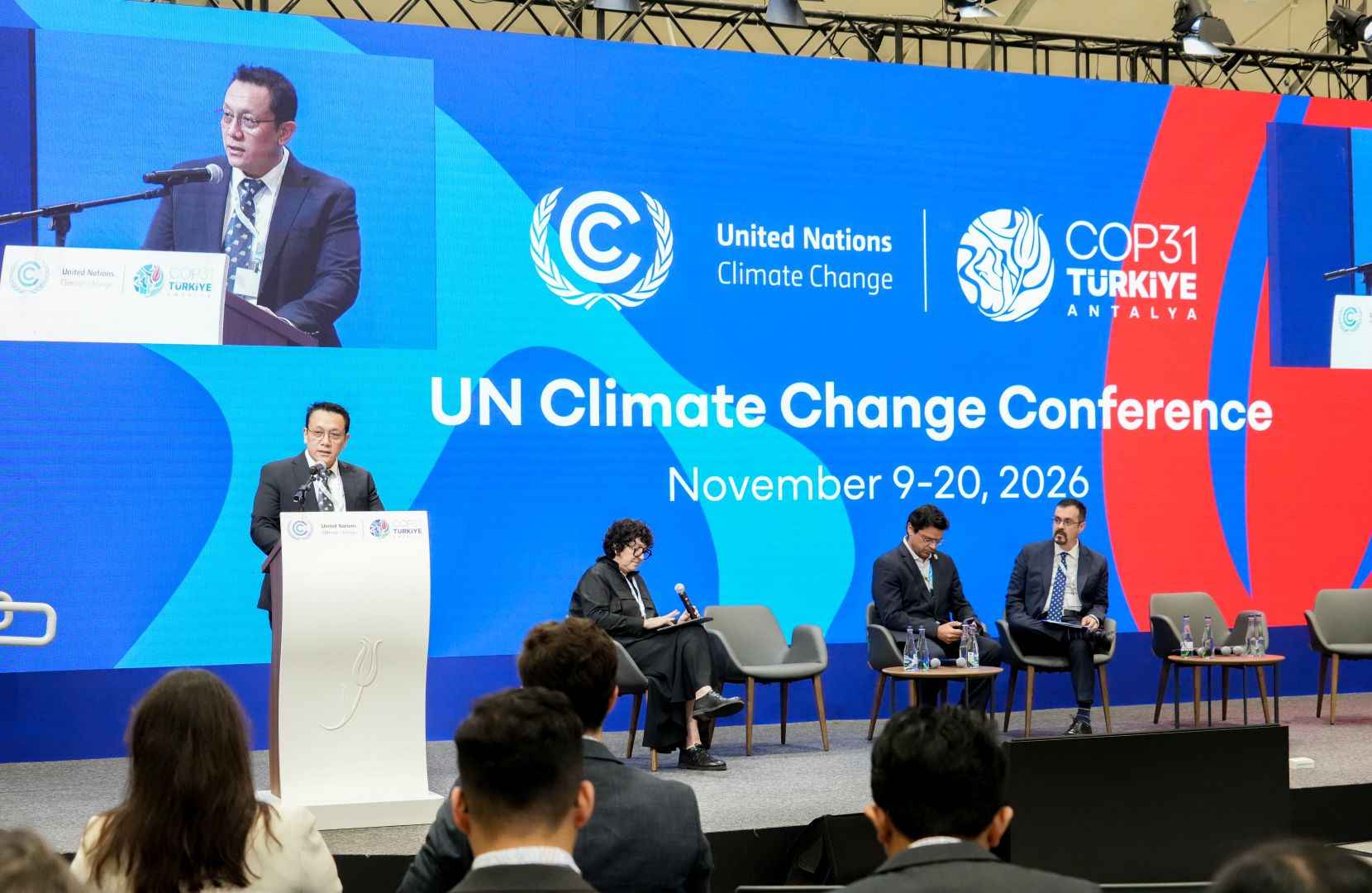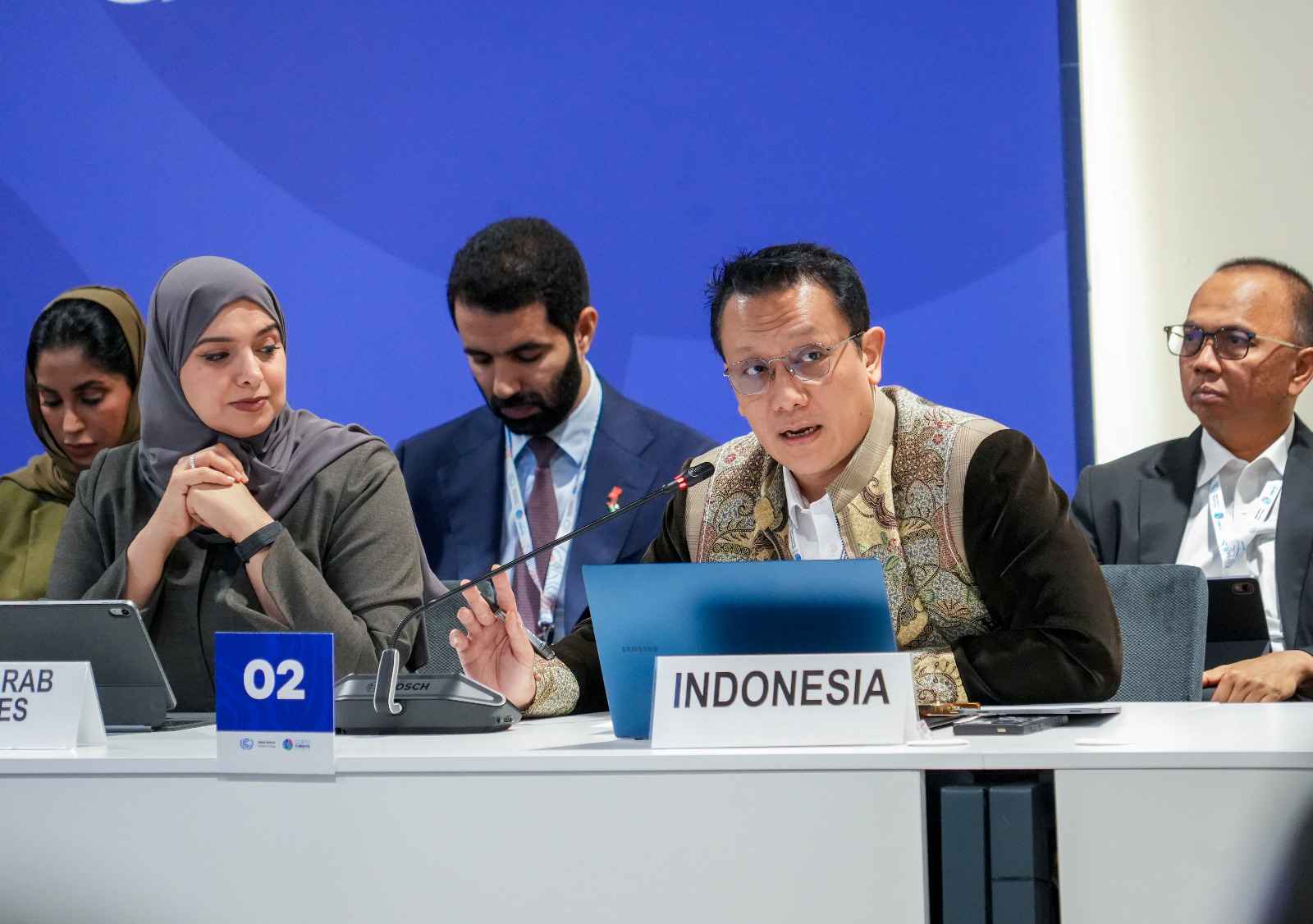
Enviro News Asia, Antalya — Indonesia has called for stronger cooperation between the Association of Southeast Asian Nations (ASEAN) and Japan to accelerate climate action through improved access to finance, technology transfer and capacity building, while ensuring that the transition to net-zero emissions remains aligned with each country’s development priorities.
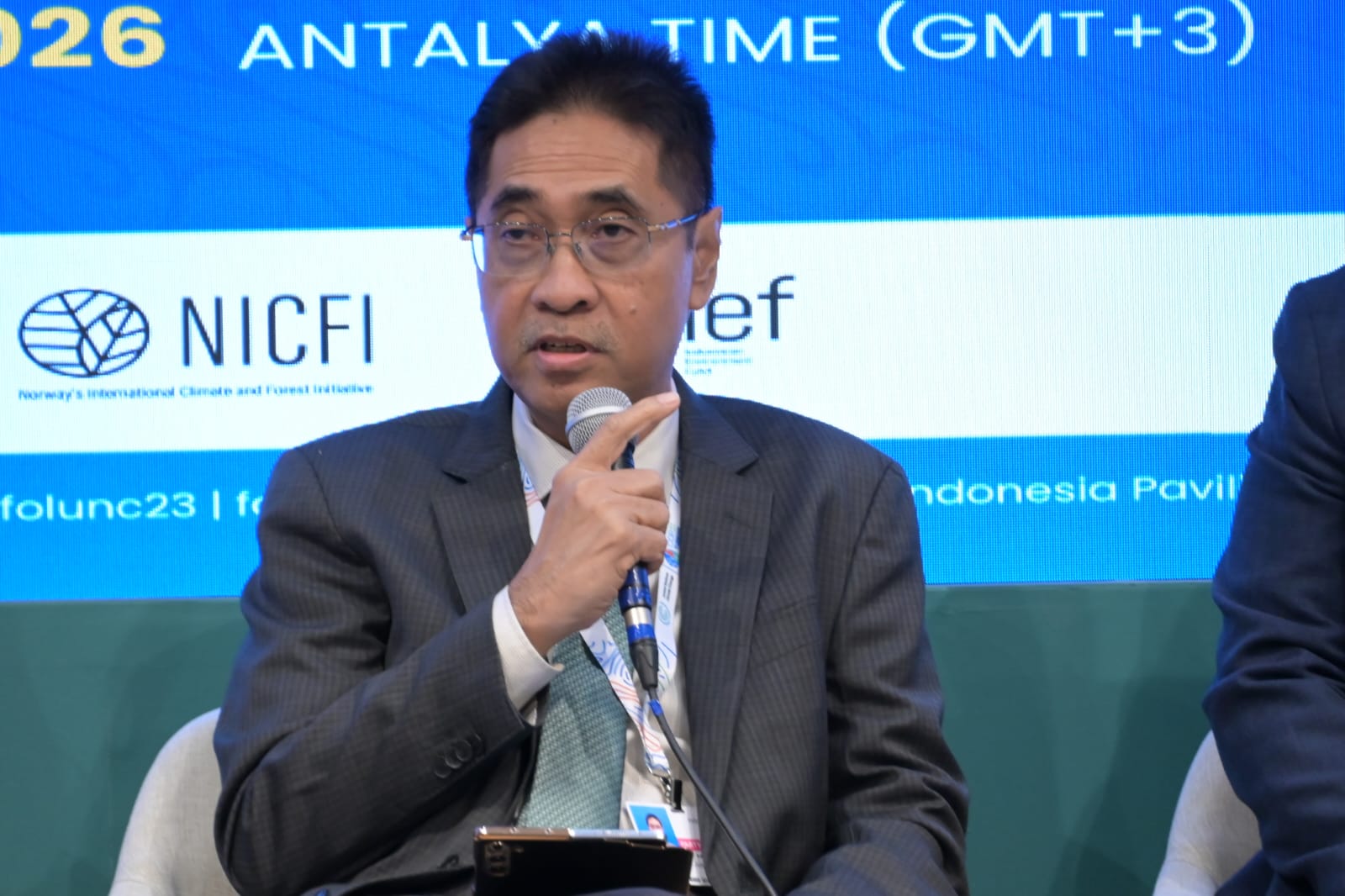
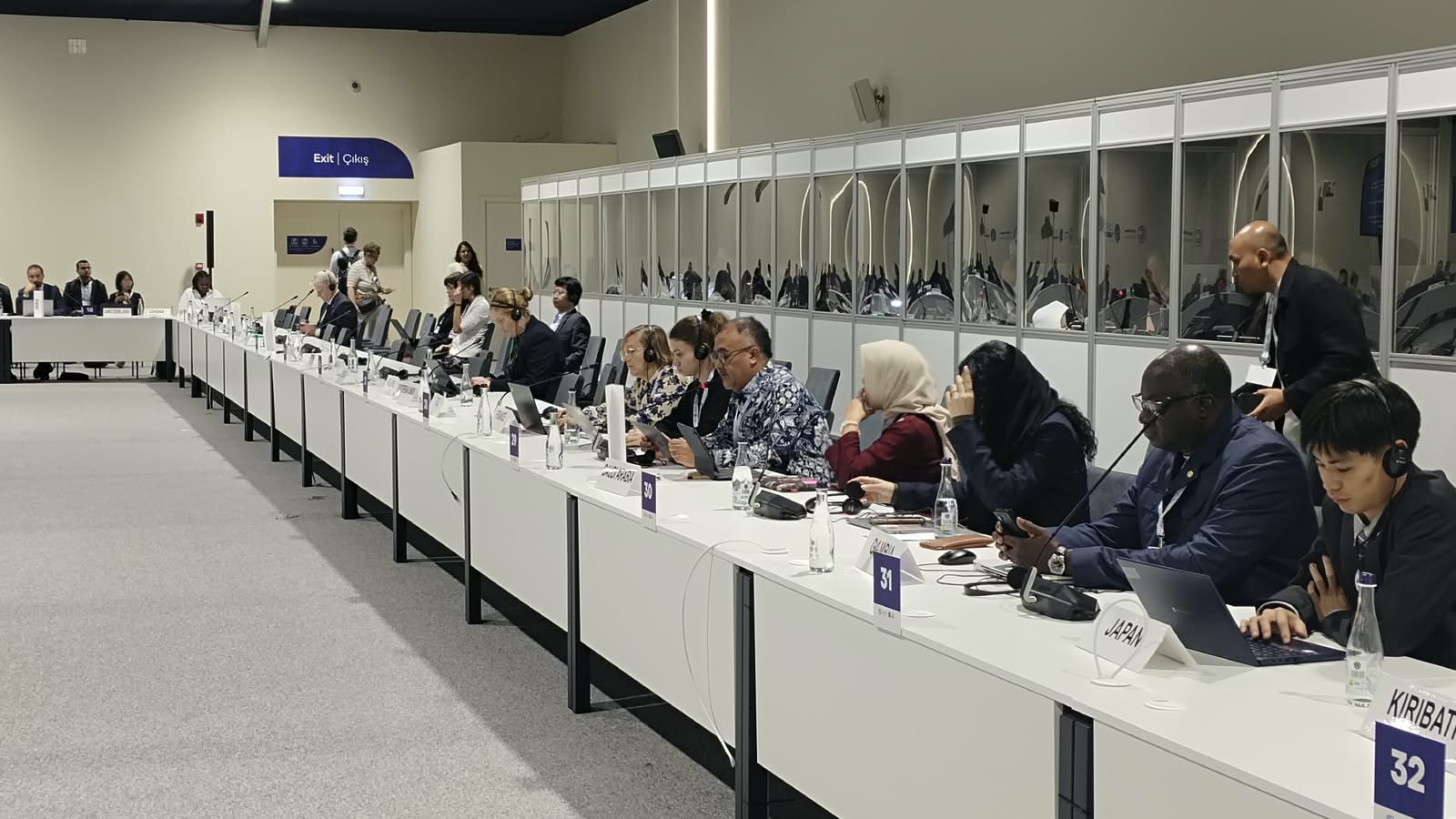
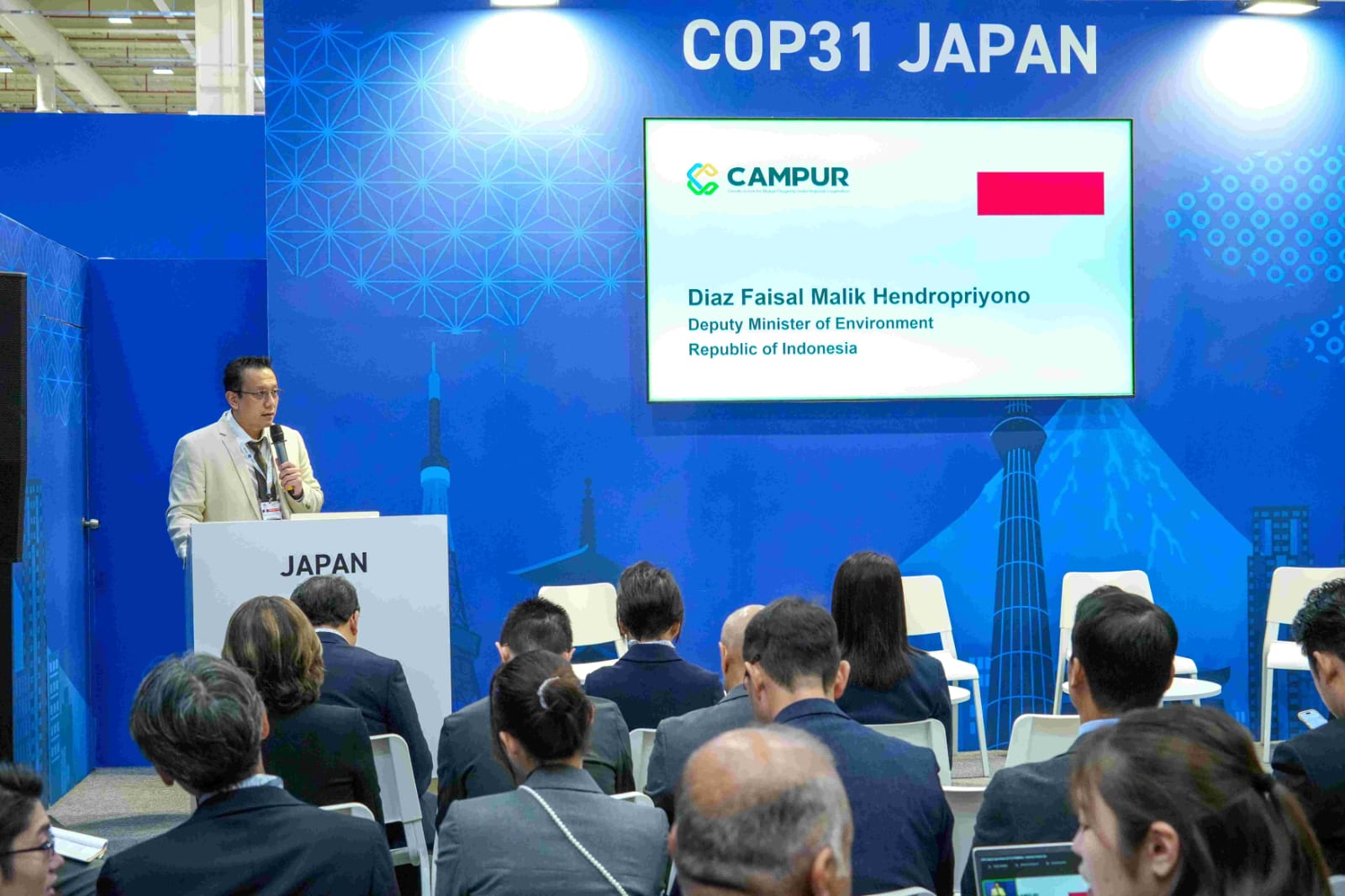
Deputy Environment Minister and Deputy Head of the Environmental Control Agency Diaz Hendropriyono made the call during a forum titled “Growing toward Net-Zero: ASEAN-Japan Input to the Second Global Stocktake” at the Japan Pavilion during the 31st United Nations Climate Change Conference (COP31) in Antalya, Türkiye, on Nov. 18, 2026. The forum was hosted by the Japanese government.
“Indonesia believes decarbonisation must go hand in hand with economic growth. Every country needs the flexibility to determine a transition pathway that suits its national circumstances,” Diaz said.
He said Indonesia was pursuing an economic growth target of 8 percent while maintaining its commitment to achieving net-zero emissions by 2060 or earlier. The country’s efforts had begun to show progress, with national emissions in 2024 estimated to be 33.15 percent below the business-as-usual (BAU) scenario.
Diaz said ASEAN countries faced similar challenges in balancing economic development and emissions reduction. A joint ASEAN-Japan report could therefore provide an important regional assessment of national experiences, policy needs and remaining gaps in international support.
Indonesia outlined three priorities for strengthening the partnership. The first is to develop a coordinated ASEAN-Japan contribution to the second Global Stocktake (GST), the process under the United Nations Framework Convention on Climate Change (UNFCCC) that assesses collective progress towards global climate goals.
Indonesia supports submitting joint regional input in early 2027, before the first technical dialogue of the second GST begins. The contribution should highlight successful practices and lessons learned while also openly identifying gaps in support faced by developing countries.
The second priority is to move beyond policy dialogue towards practical cooperation. Indonesia proposed joint initiatives in climate finance, technology transfer and capacity building, alongside efforts to harmonise measurement, reporting and verification (MRV) systems. Such cooperation would help develop mitigation projects that can be expanded and replicated across the region.
The third priority is to strengthen regional coordination through existing ASEAN mechanisms. Indonesia welcomed the continuation of dialogue with Japan while emphasising transparency and respect for formal processes under the UNFCCC framework.
Singapore’s Minister for Sustainability and the Environment, Grace Fu, also highlighted the importance of blended finance instruments in mobilising investment for the region’s energy transition. She cited initiatives such as the Financing Asia Transition Partnership (FAST-P) and SPIRE Asia as potential platforms for building portfolios of bankable projects.
Fu also underscored the need to advance the ASEAN Power Grid to connect electricity systems across national borders and strengthen regional carbon market infrastructure.
At COP31, Indonesia reaffirmed its readiness to work with Japan and other ASEAN members to turn regional commitments into practical support for climate action. The partnership, it said, should deliver tangible outcomes in financing, technology and institutional capacity to help countries meet their climate targets while pursuing sustainable economic growth. (*)