
Enviro News Asia, Bali — PT PLN Energi Primer Indonesia (PLN EPI) is strengthening the integration of its natural gas and liquefied natural gas (LNG) supply chains through infrastructure development, optimisation of domestic gas sources and cluster-based distribution systems to improve power plant reliability and support Indonesia’s energy security and transition.
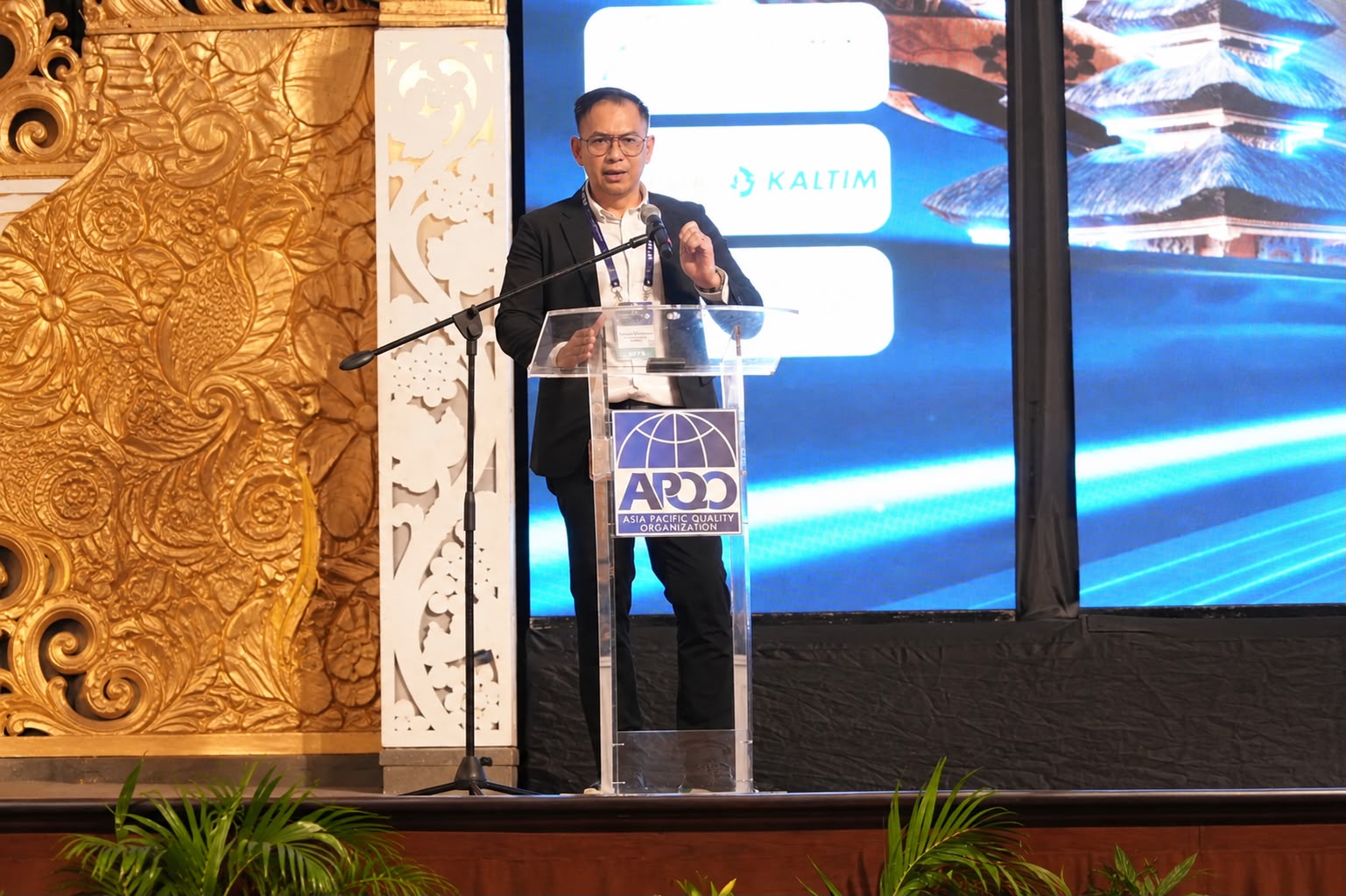
The strategy was presented at the 31st Asia Pacific Quality Organization (APQO) International Conference 2026, held at the Prime Plaza Hotel in Sanur, Bali, on November 17. PLN EPI outlined its approach during the 8th APQO International Best Practice session, highlighting the need to prepare for rising gas demand from power plants, which is projected to grow by an average of 4.5 percent annually under PLN’s 2025–2034 long-term plan.
Anggoro Wisaksono, head of corporate planning and primary energy management at PLN EPI, delivered a presentation titled “Developing Midstream Gas Infrastructure and Supply Chains to Strengthen Energy Security and Sustainability”. He said an integrated gas infrastructure network, connecting supply sources to power plants, was essential to meet growing electricity demand, improve energy efficiency and strengthen the flexibility of the national power system.
According to PLN’s long-term plan, gas requirements for power generation are expected to increase alongside electricity consumption and the expansion of the national power system. Amid volatile global energy prices and geopolitical uncertainty, stronger gas infrastructure is also needed to secure supplies and support the use of lower-emission energy sources.
Anggoro said natural gas and LNG provided flexible energy sources that could help maintain power plant reliability while facilitating the integration of new and renewable energy into the electricity system. He stressed that gas supply chains needed to reflect the different requirements and characteristics of power systems across regions.
“Gas requirements for power plants vary from one region to another. Supply planning must therefore go hand in hand with infrastructure readiness, from LNG transportation to gas delivery to power plants,” he said.
To address these challenges, PLN EPI is developing a cluster-based LNG supply chain model that combines the requirements of several power plants within a particular region. The approach is designed to optimise supply sources, distribution routes, storage capacity and regasification facilities, making gas management more efficient and flexible.
One example is the development of LNG storage and regasification facilities in Tarakan, North Kalimantan, which will supply gas to the Gunung Belah and Kampung Satu power plants. The facilities are projected to reduce fuel oil consumption by approximately 32,000 kilolitres annually, generating potential fuel cost savings of between Rp74 billion and Rp147 billion a year.
PLN EPI is also developing LNG infrastructure to support the conversion of power plants to gas in Nias, North Sumatra. The project is expected to cut fuel oil consumption by around 155,000 kilolitres annually and reduce carbon dioxide emissions by approximately 29,000 to 47,000 tonnes a year.
The company is also improving domestic gas connectivity through the West Natuna Transportation System (WNTS)-Pemping pipeline project in the Riau Islands. The approximately 4.5-kilometre subsea pipeline will connect the WNTS gas network with a gas receiving facility on Pemping Island, enabling natural gas from Natuna to supply power generation needs in Batam.
The project is intended to increase the use of Indonesia’s domestic gas resources while diversifying primary energy supplies and strengthening the reliability of the Batam electricity system.
Anggoro said the company was directing infrastructure development towards the specific needs of power plants in each region. Connecting supply sources, receiving facilities and power plants would improve supply flexibility and create opportunities to reduce dependence on fuel oil, he added.
He said the integration of gas supply chains was not solely intended to meet energy demand but also formed part of a broader effort to make primary energy management more efficient, adaptable and sustainable.
Through infrastructure expansion and improved gas logistics, PLN EPI aims to create added value for the PLN Group by strengthening operational reliability, reducing generation costs and lowering carbon emissions.
The company plans to continue developing gas infrastructure, optimising domestic energy resources and working with the government, gas producers and other stakeholders to build a more resilient and efficient primary energy supply chain.
PLN EPI said connecting gas sources, infrastructure and power plants was central to ensuring that energy security and the transition to cleaner energy advanced together. Greater use of domestic gas, LNG infrastructure development and reduced reliance on fuel oil are expected to contribute to a more reliable, efficient and lower-emission electricity supply. (*)