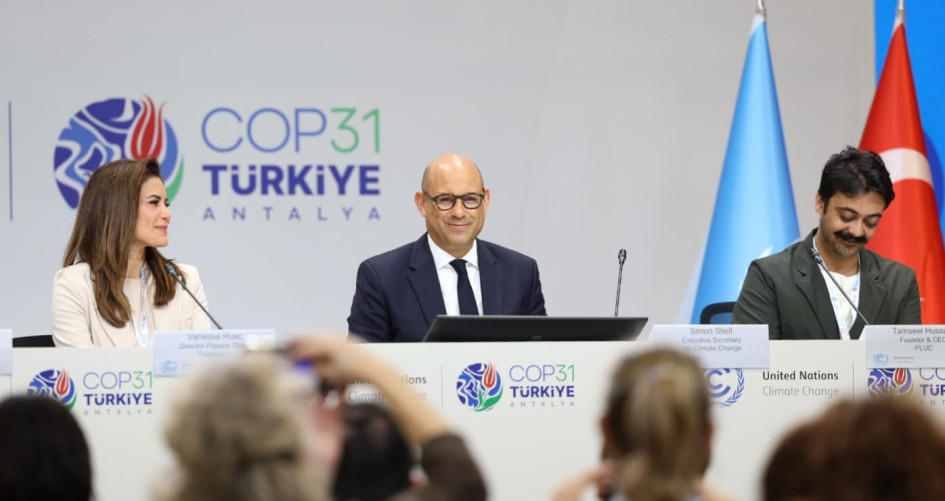

Enviro News Asia, Antalya — United Nations Climate Change Executive Secretary Simon Stiell expressed disappointment over the failure of COP31 to reach agreement on issues covered by decisions led by the two presidencies, while urging countries to strengthen international cooperation and accelerate climate action.
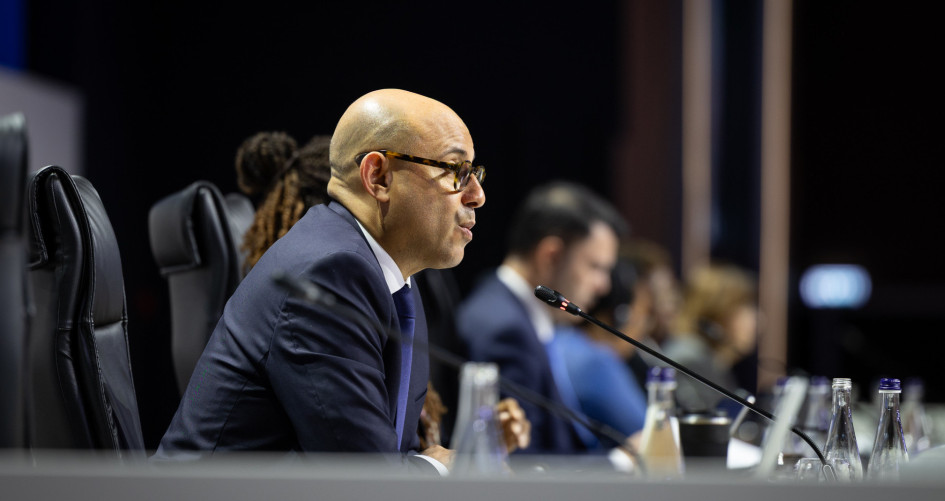
Speaking at the closing plenary in Antalya, Türkiye, on November 22, Stiell said the conference had made important negotiating progress, including an agreement on Just Transition, which he described as essential to ensuring fairness and inclusion in the global response to climate change.
However, he warned that climate impacts were intensifying worldwide, fossil fuel costs were fuelling inflation across economies, and the world was approaching a potential overshoot of the 1.5-degree Celsius temperature threshold.
“The world cannot afford a repeat of this moment,” Stiell said, calling for lessons to be drawn from the latest negotiations.
He stressed that the UN climate process belonged to all 194 Parties and that consensus worked best through an inclusive, transparent, and bottom-up approach that allowed countries to express their views and build on previous agreements.
Stiell also acknowledged the need to improve and modernise the process, particularly as global climate cooperation entered an era focused increasingly on implementation.
He noted that the COP process operated through two tracks: formal negotiations and the Action Agenda. While negotiations faced setbacks, he said COP31 had delivered tangible progress through the Action Agenda, with solutions developed across six areas, including transforming agriculture and food systems and strengthening the resilience of cities and infrastructure.
Country pledges and the Leaders’ Summit had also demonstrated that economies representing around half of global output were accelerating electrification, he said. The COP31 Electrification Delivery Package had contributed further progress in advancing electrification across the real economy.
According to Stiell, these developments should encourage greater innovation and investment while helping the world move towards positive tipping points in climate action.
He called on countries to use the outcomes of COP31 in Antalya as a renewed basis for more ambitious international commitments. The climate process had experienced setbacks before but had repeatedly recovered and delivered stronger results, he said.
Stiell described COP32 as an important next step, urging countries to ensure that the second Global Stocktake (GST) built on the achievements of the first rather than reversing previous progress.
“Humanity cannot afford anything else,” he said.
He thanked the Turkish government and people for hosting the conference, as well as the COP Presidency, the Presidency of Negotiations and participants who had contributed throughout the two-week meeting.
Stiell also highlighted the role of civil society, urging organisations and campaigners worldwide to work together and sustain the momentum for climate action. He praised the UNFCCC Secretariat staff for their dedication and professionalism, particularly in supporting two presidencies during the year.
Reflecting on the broader history of international climate negotiations, Stiell said cooperation through successive COP meetings had helped move humanity away from a potentially catastrophic trajectory of global warming. However, he warned that existing progress remained insufficient.
“The fight continues. We will never give up,” he said. (*)