
Enviro News Asia, Washington, D.C. — Indonesia has called for a more inclusive approach to artificial intelligence (AI), arguing that developing countries must have the capacity to build and shape the technology rather than remain dependent on services controlled by a handful of major economies and technology companies.
The message was delivered by an Institut Teknologi Bandung (ITB) delegation at the Think20 (T20) meeting, part of the G20 engagement process, held in New York on Nov. 18–19, 2026. Led by Professor Suhono Supangkat, the delegation included researchers Wahyu Hidayat and Devi Anggara.
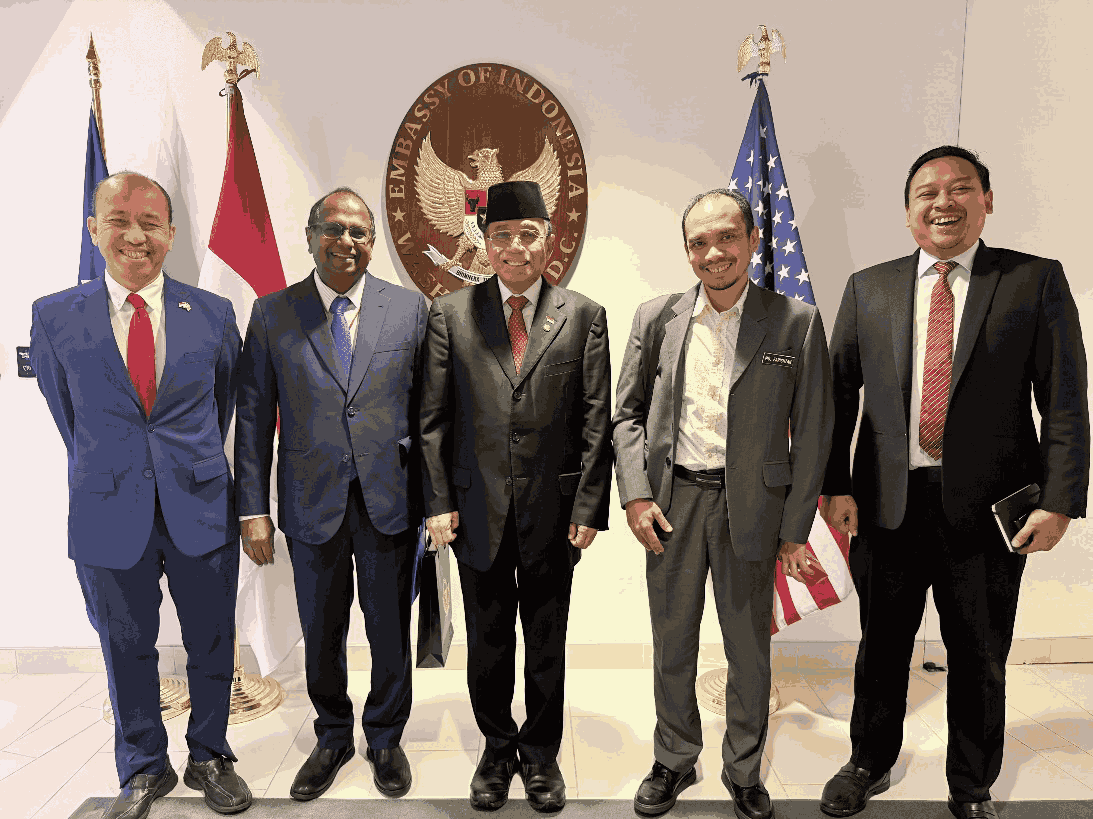
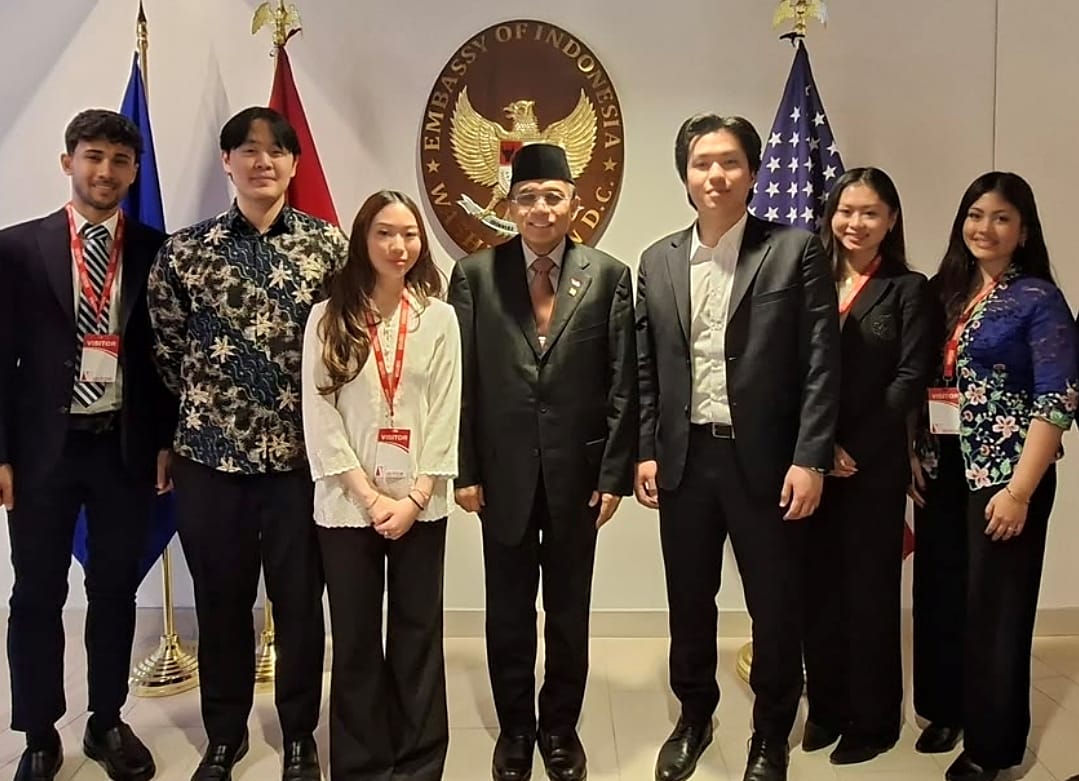
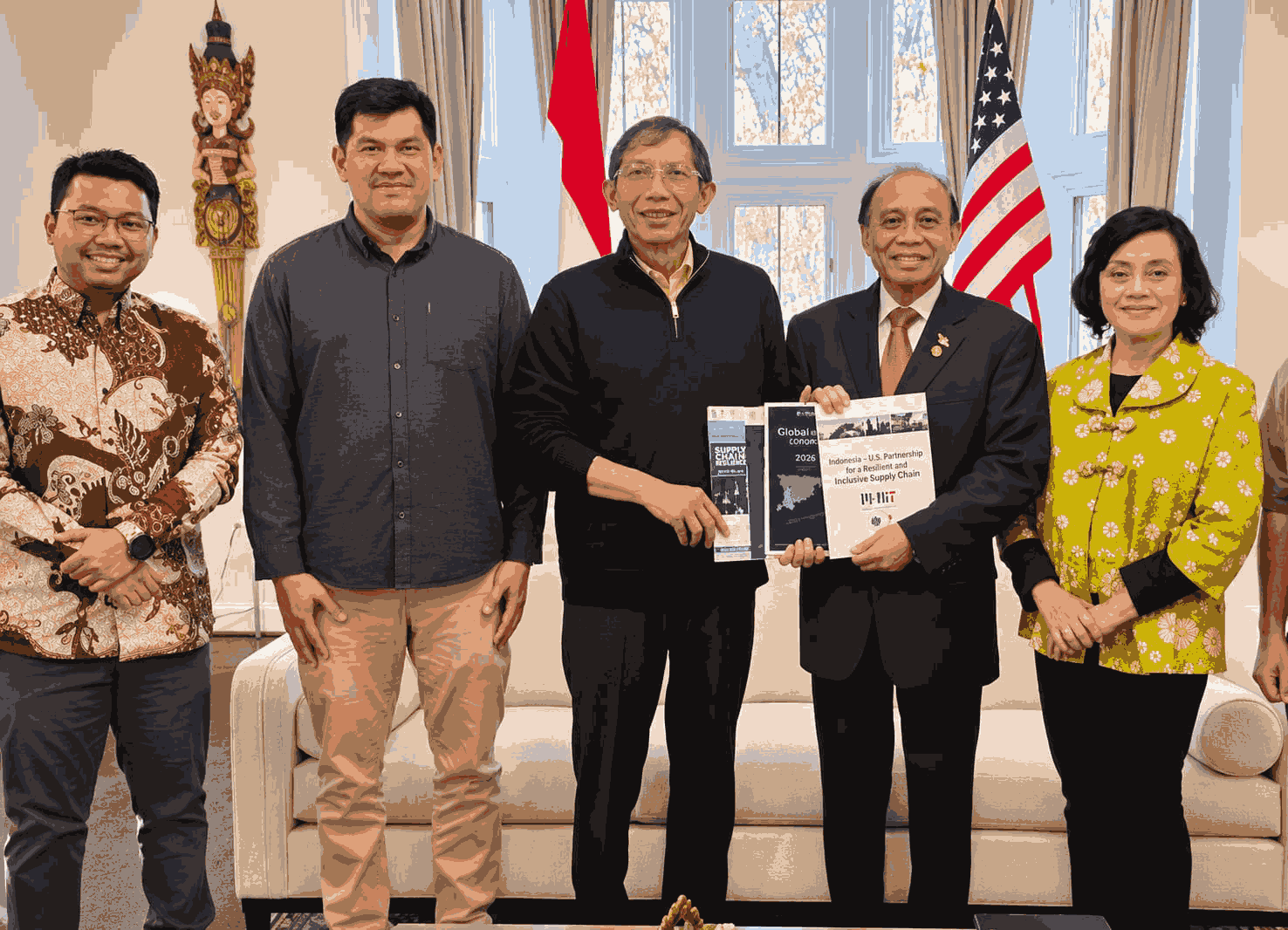
On Nov. 20, Suhono and his team presented the meeting’s outcomes to Indonesia’s Ambassador to the United States, Indroyono Soesilo, in Washington, D.C. They highlighted the concentration of advanced AI models and large-scale computing infrastructure in the United States and China, while an estimated four billion people worldwide continue to face barriers to digital access.
The delegation warned that without international cooperation, developing countries risk becoming primarily consumers of AI services and suppliers of raw data, while the technology, expertise and economic gains remain concentrated elsewhere.
The T20 discussions therefore called for AI to become part of an open digital public infrastructure. Developing countries need to strengthen their own computing capabilities while gaining access to AI models that can be adapted to local languages, cultures and development priorities.
India was cited as an example of efforts to widen access to AI infrastructure. Support providing access to tens of thousands of graphics processing units (GPUs) has helped local innovators develop applications. AI-based agricultural services in regional languages also illustrate how technology can address the needs of communities, including the country’s estimated 140 million farmers.
The delegation also encouraged middle powers and developing countries to work together amid growing competition among major powers. One proposal was the establishment of an AI Stability Board to coordinate safety standards, facilitate data exchange between systems and improve reporting of disruptions affecting critical infrastructure.
Financing arrangements, the delegation argued, must also be equitable. Grants, multi-year funding and partnerships based on equal participation would help developing countries expand their AI capabilities without creating additional debt burdens or sidelining domestic talent.
For Indonesia, the priorities include strengthening the Satu Data Indonesia initiative, developing sovereign computing capacity and building AI systems that understand the country’s diverse languages and cultures.
Indroyono welcomed the recommendations. As a follow-up, the ITB team was introduced to Apple and Intel, both of which have investments in Indonesia, to explore potential cooperation in AI development.
The delegation said Indonesia should move beyond using AI applications and take part in developing the technology, shaping its governance and ensuring its benefits reach the wider public, from farmers and researchers to communities in rural and urban areas. (*)