
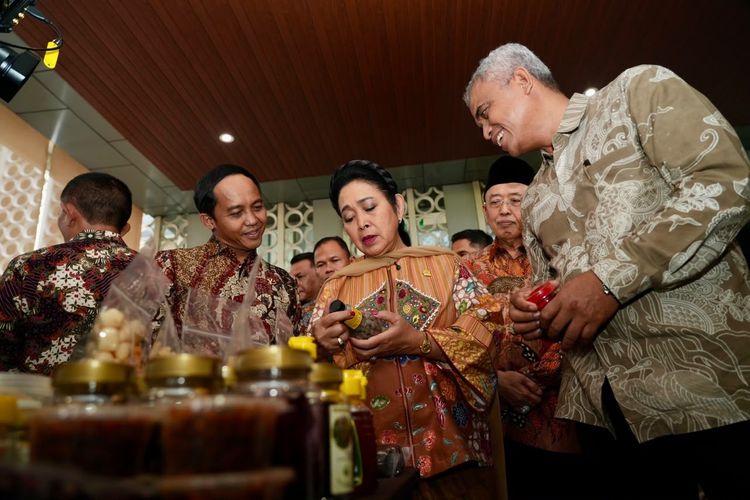
Enviro News Asia, Yogyakarta — Indonesia’s Ministry of Forestry is seeking to strengthen Forest Management Units (KPH) as landscape managers and drivers of regional economic development, placing greater emphasis on local-level forest governance and community participation.
The ministry opened its 2026 National Coordination Meeting of Forest Management Units in Sleman, Yogyakarta, on Nov. 24. Running until Nov. 26, the meeting brings together government officials, forest managers, academics and development partners to coordinate strategies for improving forest management across the country.
Held under the theme “Forest Management Units as Landscape Managers and Drivers of Regional Economic Growth”, the meeting aims to consolidate the role of KPH as the frontline institutions responsible for managing forests at the local level.
More than 300 participants are attending, including over 200 KPH heads from across Indonesia, forestry agency heads from 33 provinces, senior ministry officials, academics and development partners.
Director General of Sustainable Forest Management Laksmi Wijayanti said the meeting followed the previous year’s mandate to strengthen coordination and conduct regular evaluations of forest governance at the operational level.
She said recent experiences in managing and mitigating extreme weather risks had highlighted the importance of stronger local forest management. These threats include floods and landslides associated with tropical cyclones, as well as forest and land fires during extreme El Niño-driven dry seasons.
The meeting will address changes to forest management models, alignment with national development priorities, the proposed revision of the Forestry Law and efforts to accelerate Indonesia’s Forestry and Other Land Use (FOLU) Net Sink 2030 target.
Laksmi described the gathering as a forum for resolving operational challenges, agreeing on resource allocation and recognising achievements by regional governments, particularly Forest Management Units.
Forestry Minister Raja Juli Antoni said the resilience of forest ecosystems and surrounding landscapes was essential to the ability of communities across Indonesia to withstand and adapt to environmental pressures.
He urged KPH to move beyond reactive management towards proactive programmes that address deforestation, forest degradation, fires and encroachment while protecting sensitive ecosystems, particularly peatlands and mangroves.
The minister also called for KPH to expand forest-based bioeconomic activities, including timber production, non-timber forest products, agroforestry and environmental services such as nature tourism and carbon sequestration.
“Forest-based bioeconomy will become a lasting solution to preventing forest and land fires when communities living around forests take the leading role,” Raja Juli said.
To support this transformation, the ministry is working to strengthen KPH leadership and human resource capacity. The effort includes implementing a presidential directive to recruit an additional 70,000 forest rangers, some of whom will be assigned directly to local Forest Management Units.
Raja Juli also paid tribute to Fadaya, a member of the Saddang II Forest Management Unit in South Sulawesi who died while fighting forest and land fires. President Prabowo Subianto awarded him the Bintang Jasa Pratama honour in recognition of his service.
Siti Hediati Soeharto, chair of House of Representatives Commission IV, which oversees agriculture, forestry and related sectors, said forests were not merely natural landscapes but also supported livelihoods, food and energy security, and national economic interests.
She said forest management should deliver three outcomes simultaneously: sustainable forests, growing regional economies and improved community welfare. She also called for regulatory reforms and clearer central-local government responsibilities to strengthen field operations rather than create additional administrative obstacles.
Siti Hediati urged the ministry, governors and provincial forestry agencies to provide KPH with adequate programmes, budgets and personnel.
In a written address read by Yogyakarta Governor’s expert staff member Noviar Rahmat, Governor Sri Sultan Hamengku Buwono X said forests were closely connected to water sources, agricultural land and local economies. He said KPH should help balance environmental, economic and social interests down to the village level.
The opening ceremony also featured the presentation of Effective KPH Certificates for 2025 and 2026. The Pesawaran Forest Management Unit in Lampung received the 2026 Adhinata Wana Award as the country’s top-performing KPH, while Lampung Governor Rahmat Mirzani Djausal received the national award for the best governor in supporting Forest Management Units.
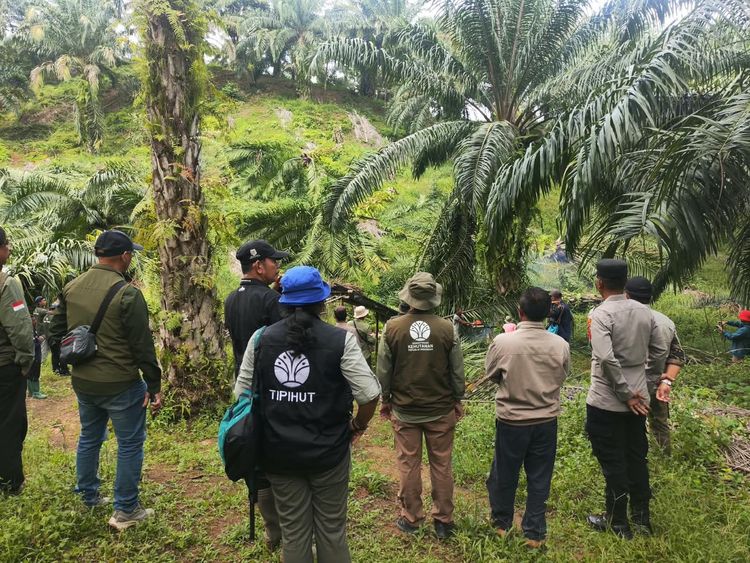
Over the three-day meeting, participants will take part in policy discussions, focused group discussions, coaching sessions and field visits to five demonstration sites in Yogyakarta. These include community forest and bamboo management in Kulon Progo, Wanapaksi, Wanagama, Paliyan Wildlife Reserve, Imogiri Nature Reserve and Sungai Mudal nature tourism area. (*)