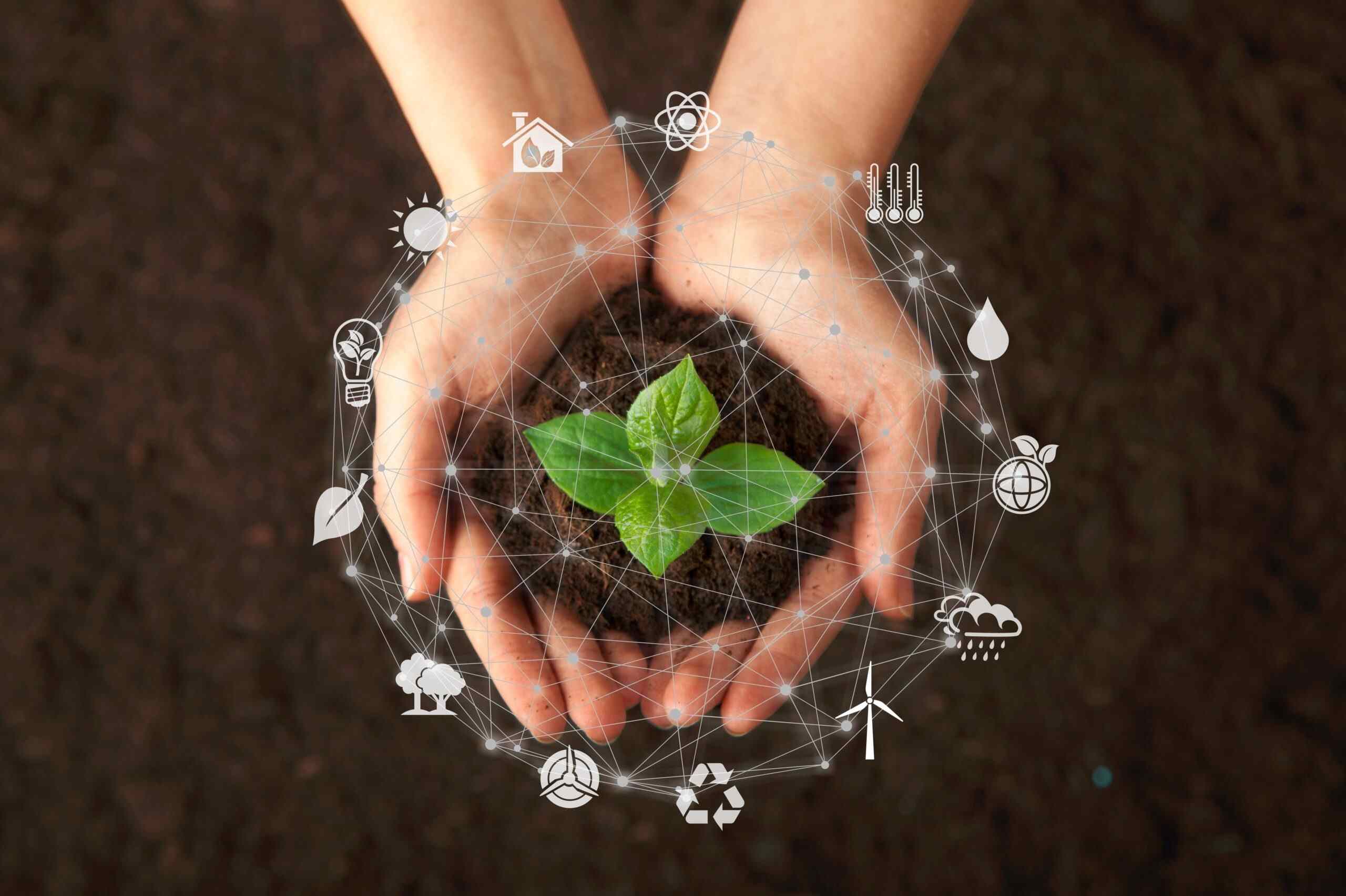
Enviro News Asia, Jakarta – The Grow & Green program represents Bank Rakyat Indonesia’s (BRI) tangible commitment to supporting environmental sustainability and combating climate change. This initiative is grounded in the principles of Environmental, Social, and Governance (ESG), aiming to restore and enhance ecosystems across Indonesia.
Since its launch in 2022, the program has successfully planted over 1 million productive and mangrove trees and has actively contributed to coastal ecosystem restoration by planting mangroves and sea pines. Beyond its environmental impact, the program has facilitated carbon sequestration of 17,960.93 tons of CO2e annually, significantly reducing greenhouse gas emissions in Indonesia.
Specifically, 689,839 productive plant seedlings have been distributed to 2,657 BRILiaN Villages, with an additional 306,788 seedlings provided to customers. The productive plants include varieties such as avocado, mango, and durian, among others.
In addition, the Grow & Green Mangrove and Grow & Green Reforestation initiatives have involved planting 50,300 productive and mangrove trees, as well as 2,430 coral fragments across 14 locations in Indonesia.
“This is a testament to BRI’s commitment to supporting sustainable development and growth based on Environmental, Social, and Governance (ESG) principles. This program serves as a platform to implement sustainable practices aimed at environmental conservation, carbon sequestration, community empowerment, and economic growth,” stated BRI Deputy CEO Catur Budi Harto.
He explained that BRI Planting – Grow & Green emphasizes three core values: environmental, social, and economic.
Environmental Value: The program addresses climate change by rehabilitating critical lands caused by deforestation, forest fires, and illegal logging, which have degraded the physical, chemical, and biological status of land.
Social value, this initiative empowers farmer groups, enabling them to prepare land, plant, maintain, monitor, and record trees and coral fragments. To date, the program has actively engaged farmers and fishermen in these activities.
Economic value, by promoting planting, maintenance, and data collection efforts, the program increases income for local groups. It has created employment opportunities for 1,080 households (HH) while generating additional income from the harvests of productive plants.
The planting of productive trees is a concrete effort to support the government in mitigating the negative impacts of critical land, such as flooding, landslides, and droughts. It also plays a vital role in reducing emissions and enhancing climate change adaptation efforts.