Enviro News Asia, Jakarta – Sooner than previously expected, on April 2, 2025, U.S. President Donald Trump officially imposed a reciprocal tariff on Indonesia at a rate of 32 percent, based on a 10 percent tariff applied by the U.S. to all countries. This U.S. reciprocal tariff will take effect starting April 9, 2025.
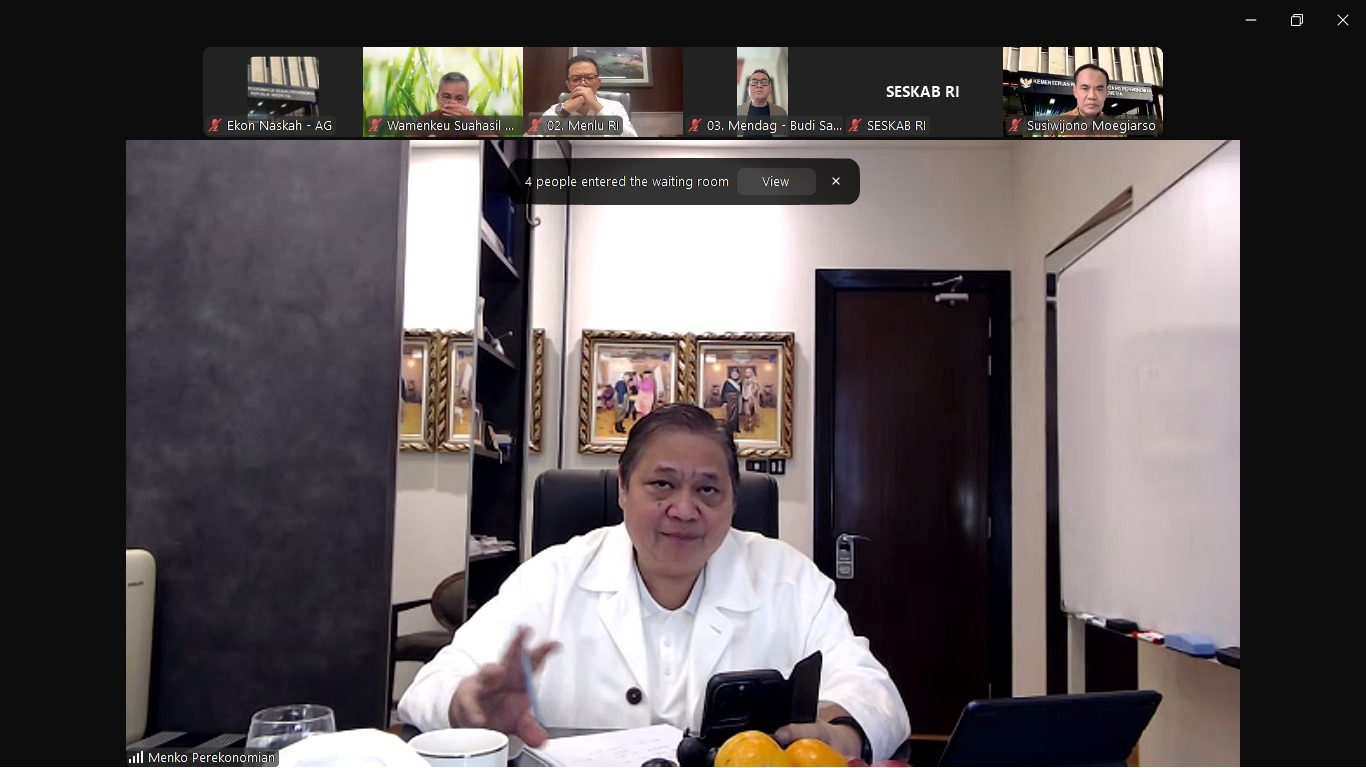
“The imposition of the U.S. reciprocal tariff will have a significant impact on Indonesia’s export competitiveness to the U.S.,” said Secretary of the Coordinating Ministry for Economic Affairs, Susiwijono Moegiarso, in a press release on Thursday, April 3, 2025. One of the most affected sectors is furniture. In addition to furniture, Indonesia’s main export products to the U.S. have included electronics, textiles and textile products, footwear, palm oil, rubber, shrimp, and various seafood products.
The press release stated that the Indonesian government will immediately assess the impact of the U.S. tariff on these sectors and the Indonesian economy as a whole. The government will also take strategic measures to mitigate the negative effects on the national economy.
The Indonesian government is committed to maintaining the stability of Government Securities (SBN) yields amid the volatility of global financial markets following the announcement of the U.S. reciprocal tariff. Together with Bank Indonesia, the government will also continue to ensure the stability of the rupiah exchange rate and maintain foreign exchange liquidity to support business needs and uphold overall economic stability.
Since the beginning of this year, the Indonesian government has been preparing various strategies and measures to address the implementation of the U.S. reciprocal tariff and has been negotiating with the U.S. government. A cross-ministerial and institutional team, along with Indonesian representatives in the U.S. and national business actors, has been intensively coordinating in preparation for the U.S. tariff policy. The Indonesian government will continue to engage in communication with the U.S. government at various levels, including sending a high-level delegation to Washington, D.C., for direct negotiations with the U.S. government.
As part of the negotiations, the Indonesian government has also prepared various measures to address the issues raised by the U.S. government, particularly those mentioned in the 2025 National Trade Estimate (NTE) report published by the U.S. Trade Representative.
President Prabowo has instructed the Red and White Cabinet to implement strategic measures, structural reforms, and deregulatory policies, including simplifying and removing regulations that hinder trade, particularly those related to Non-Tariff Measures (NTMs). This aligns with efforts to enhance competitiveness, maintain market confidence, and attract investment to sustain economic growth momentum.
Other strategic policy measures will be undertaken by the Indonesian government to further improve the investment climate, boost economic growth, and create extensive job opportunities. Indonesia has also been in communication with Malaysia, which currently holds the ASEAN Chairmanship, to take collective action, considering that all 10 ASEAN countries are affected by the U.S. tariff imposition.