Enviro News Asia, Jakarta – Deputy Minister of Environment, Diaz Hendropriyono, expressed his appreciation to the Environmental Fund Management Agency (BPDLH) for its commitment to managing climate financing sourced outside the state budget (APBN) and distributing it to subnational levels and communities on Thursday (August 7, 2025).
Deputy Minister Diaz also emphasized that climate financing in Indonesia faces a major challenge—namely, the wide gap between the substantial funding needs and the available resources.
Therefore, the disbursement of Results-Based Payment (RBP) funds for Reducing Emissions from Deforestation and Forest Degradation (REDD+) from the Green Climate Fund (GCF) is expected to create a tangible impact on local climate actions.
“We must prove that the funds provided by GCF are well-distributed and impactful. We must be accountable for the funds we receive. The Ministry of Environment and BPDLH will ensure accountability so that we are seen as a nation of integrity that makes a real difference in tackling climate change,” said Deputy Minister Diaz in his official statement.
The Government of Indonesia remains committed to strengthening climate change mitigation initiatives.
One key measure is through REDD+, which places forests at the forefront of climate action, aiming to reduce greenhouse gas (GHG) emissions and mitigate broader climate change impacts.
Indonesia has successfully secured USD 103.8 million in funding from the GCF for a pilot RBP program focused on reducing emissions in the forestry sector.
This funding was awarded for Indonesia’s achievement in reducing 20.25 million tons of CO₂ equivalent (tCO₂e) between 2014 and 2016.
Of the total funds, USD 93.4 million has been allocated to Output 2 of the GCF REDD+ RBP project, which began in July 2023 and is scheduled to run until 2030.
This funding is intended to support climate change mitigation efforts across 38 provinces in Indonesia at both local and national levels.
As a follow-up, BPDLH, the agency managing the funds, has distributed grants to 15 provinces: East Java, Bali, Riau, South Kalimantan, West Java, Southwest Papua, Central Java, South Sumatra, East Nusa Tenggara, Yogyakarta, North Sulawesi, Gorontalo, Riau Islands, West Sumatra, and West Kalimantan.
With a total allocation of over IDR 251 billion, the disbursement durations vary between one and four years, depending on each province’s specific needs.
To support the project’s implementation, eight intermediary institutions have been appointed to help manage the funds and facilitate activities.
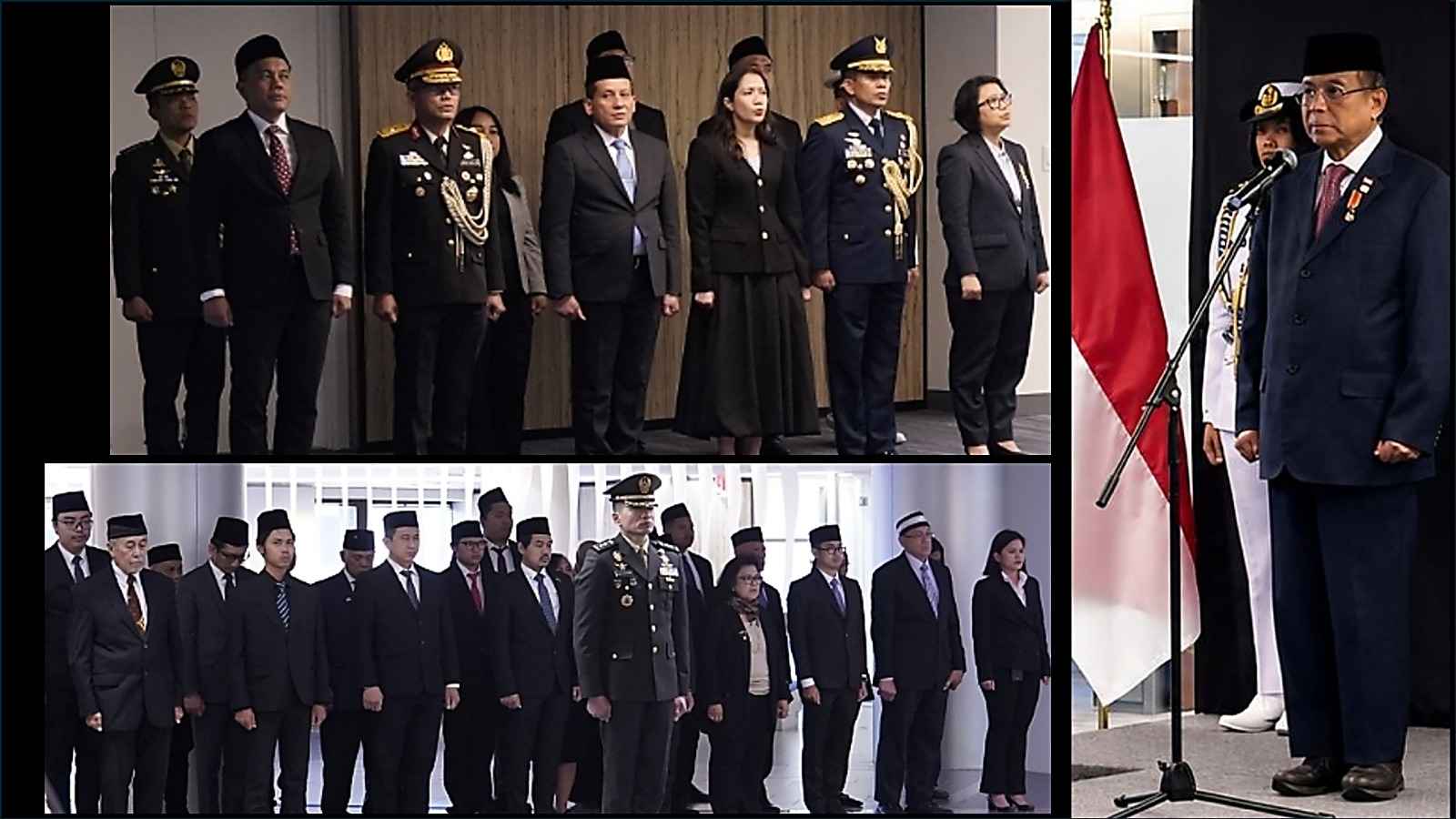
The fund disbursement process was officially launched through the signing of cooperation agreements between BPDLH and the eight intermediary institutions.
The signing was witnessed by the Deputy Minister of Environment, the Secretary-General of the Ministry of Forestry, the Director of Public Service Financial Management at the Ministry of Finance, as well as governors and local government leaders from the 15 recipient provinces.
Project achievements to date include the expansion of over 2 million hectares of social forestry, facilitation of 40 customary forest recognition proposals, assistance for 163 Social Forestry Work Plans (RKPS), and the documentation of 4,477 sites under the Climate Village Program (ProKlim).
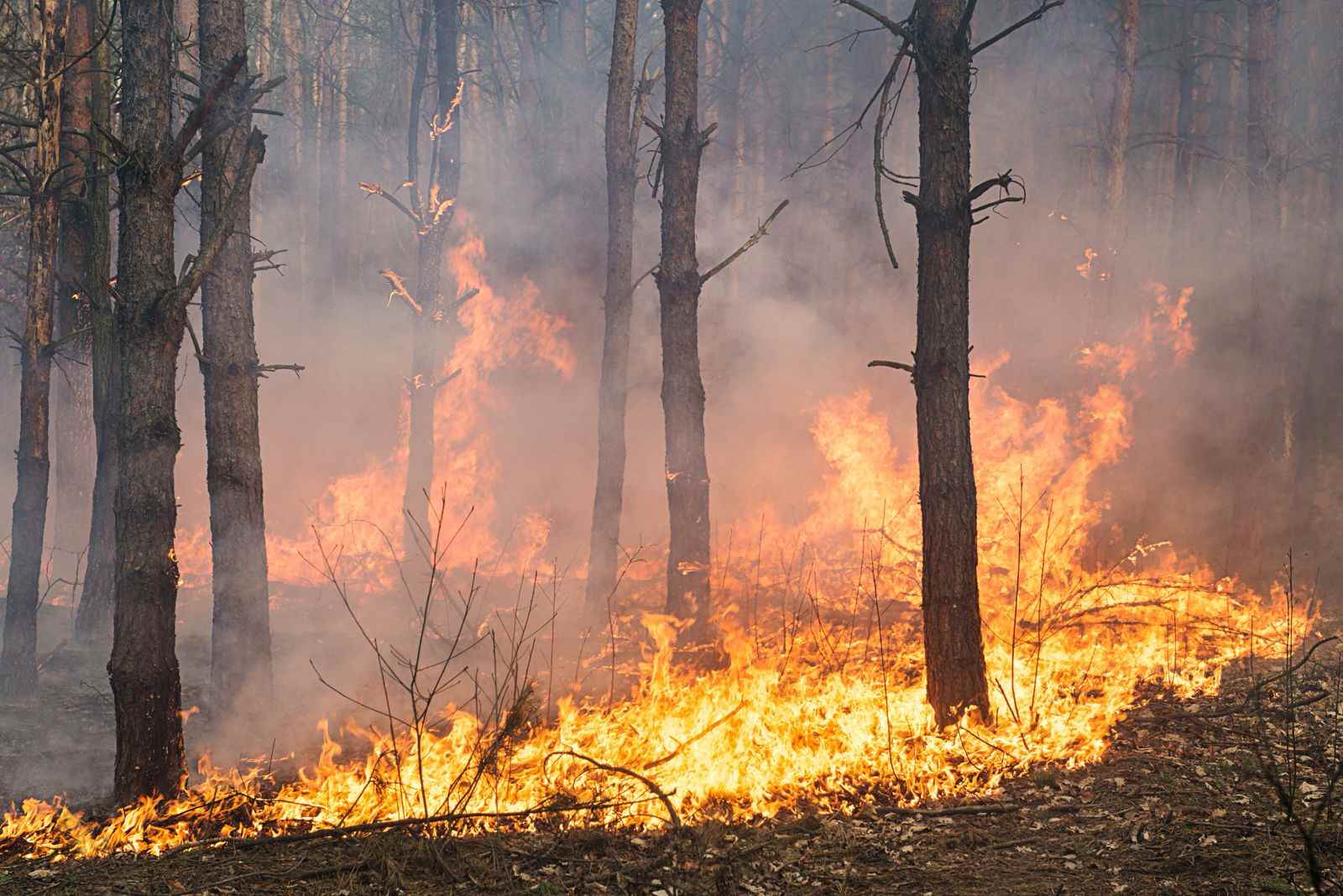
In addition, the project supports community socio-economic empowerment, forest and land fire control in seven high-risk provinces, and strengthening national and subnational technical capacity in GHG reporting.
The project also contributes to strengthening the REDD+ architecture and implementing Indonesia’s Nationally Determined Contribution (NDC) for climate mitigation.
Secretary-General of the Ministry of Forestry, Mahfudz, added,
“Achieving the 2030 NDC targets requires significant resources, particularly funding. Support from the national budget alone is not sufficient. Funding from projects like GCF’s REDD+ RBP Output 2 directly contributes to NDC achievement, sustainable forest management, and community welfare.”
President Director of BPDLH, Joko Tri Haryanto, stated,
“Through this partnership, we are not only channeling funds but also global trust and hope in Indonesia’s commitment to reducing emissions from deforestation and forest degradation. The REDD+ GCF Output 2 project can become a catalyst for expanding RBP access at the regional level.”
The event also featured a talk show titled “Contribution of RBP REDD+ Fund Utilization to Forest Sustainability in Indonesia,” presenting five speakers covering various aspects of the project.
Topics included: opportunities and challenges of RBP in Indonesia (delivered by a representative from the Deputy of Climate Change Control), the contribution of GCF Output 2 funds to the Social Forestry Program (by a representative from the Directorate General of Social Forestry), and the role of RBP funding in forest and land protection in Central Sulawesi (by a provincial government representative).
PETAI Foundation also shared its experience on the role of intermediary institutions in facilitating and managing RBP funds for beneficiaries.
Through this project, Indonesia reaffirms that forest protection is not just a duty but a legacy that must be preserved for future generations.
With the support of various stakeholders, Indonesia remains optimistic about reducing the impacts of climate change and advancing more effective mitigation and adaptation efforts in the years to come. (*)