Enviro News Asia, Jakarta – Director General of Sustainable Forest Management, Laksmi Wijayanti, emphasized that Indonesia continues to strengthen the role of the forestry sector in supporting the global agenda on climate change, sustainable development, and improving community welfare.
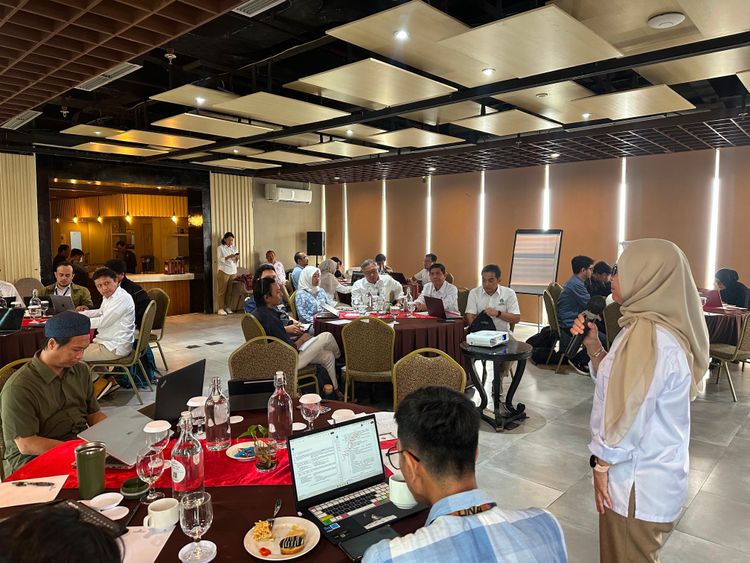
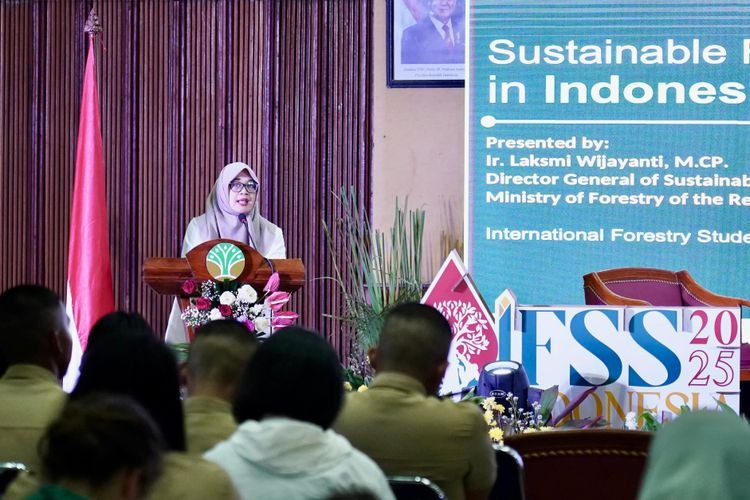
This statement was delivered at the International Forestry Students’ Symposium (IFSS) 2025, attended by future foresters from 21 countries in Jakarta, Tuesday (19/08).
At the event organized by the International Forestry Students’ Association (IFSA), Laksmi highlighted that Indonesia’s forest management paradigm has shifted from mere timber management to a more holistic forest landscape management.
“Forest management today is not only focused on timber, but also on ecosystem conservation, biodiversity, food, energy, and water security, as well as improving community welfare,” Laksmi said in her official statement.
Through the multi-forestry enterprise scheme, the government is opening broader opportunities for the utilization of timber and non-timber forest products, agroforestry development, and downstreaming of forest-based industries.
“This approach is expected to foster the growth of a healthy forestry business ecosystem and create added value for the national economy,” Laksmi explained.
Indonesia also continues to strengthen the Timber Legality and Sustainability Verification System (SVLK+) as an important instrument to ensure the legality and sustainability of forestry products.
“By utilizing digital technology, including geo-location and QR Code systems, SVLK+ guarantees transparency, enhances the competitiveness of Indonesian forestry products, and safeguards access to international markets, including in response to strict policies such as the European Union Deforestation Regulation (EUDR),” Laksmi added.
Furthermore, she stressed that the forestry sector plays a vital role in achieving Indonesia’s Enhanced NDC target, namely the FOLU Net Sink 2030, where the absorption level of emissions from the forestry and land sectors is expected to equal or exceed their emission levels.
“This is tangible proof of Indonesia’s commitment to supporting the achievement of the Paris Agreement targets and moving towards Net Zero Emissions by 2060 or sooner,” she said.
In closing, the Director General of Sustainable Forest Management reaffirmed that sustainable forest management is the key to delivering real benefits for the people, safeguarding natural resource sovereignty, and strengthening Indonesia’s position on the global stage.
Also present at the event were participants from government institutions, the private sector, civil society forestry organizations, and forestry academics. (*)