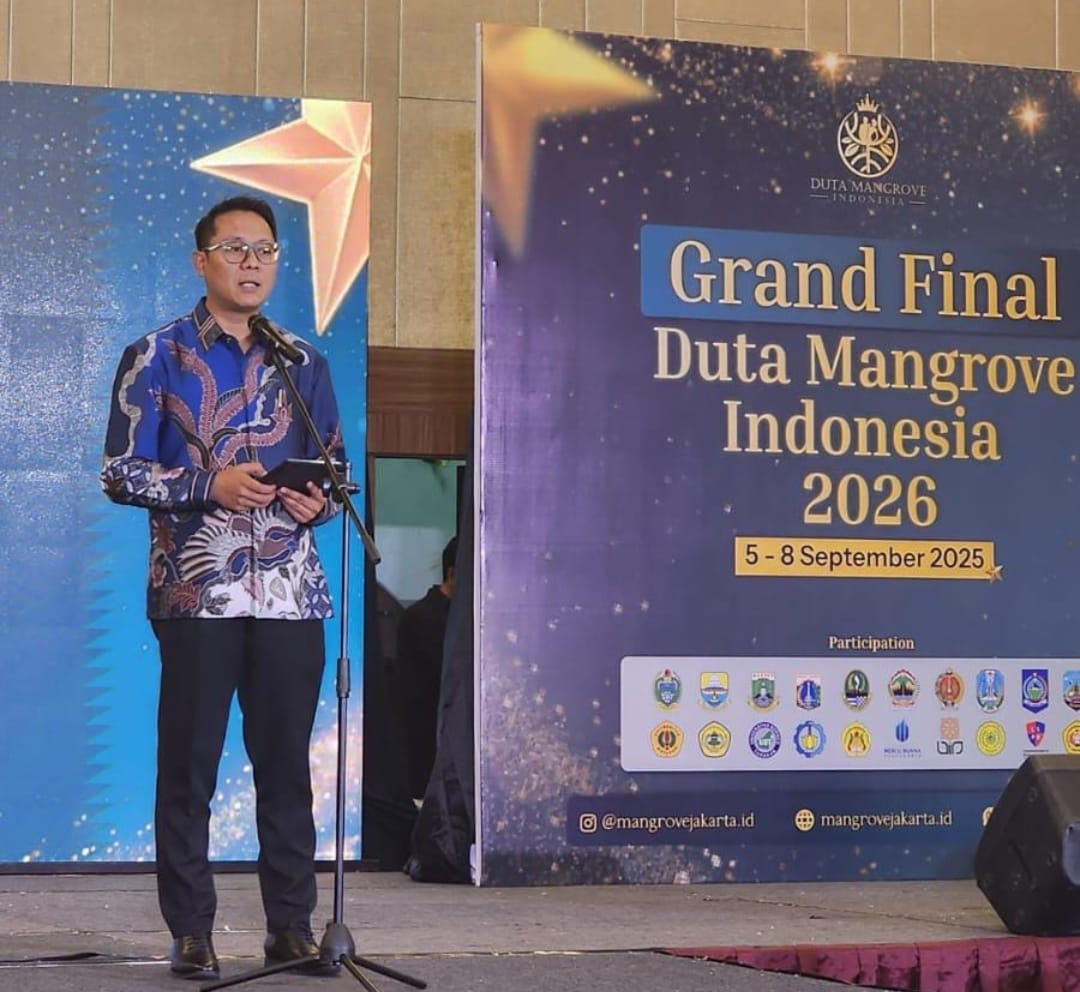
Enviro News Asia, Jakarta – The Ministry of Forestry (Kemenhut) emphasizes that the success of mangrove rehabilitation depends heavily on active public participation.
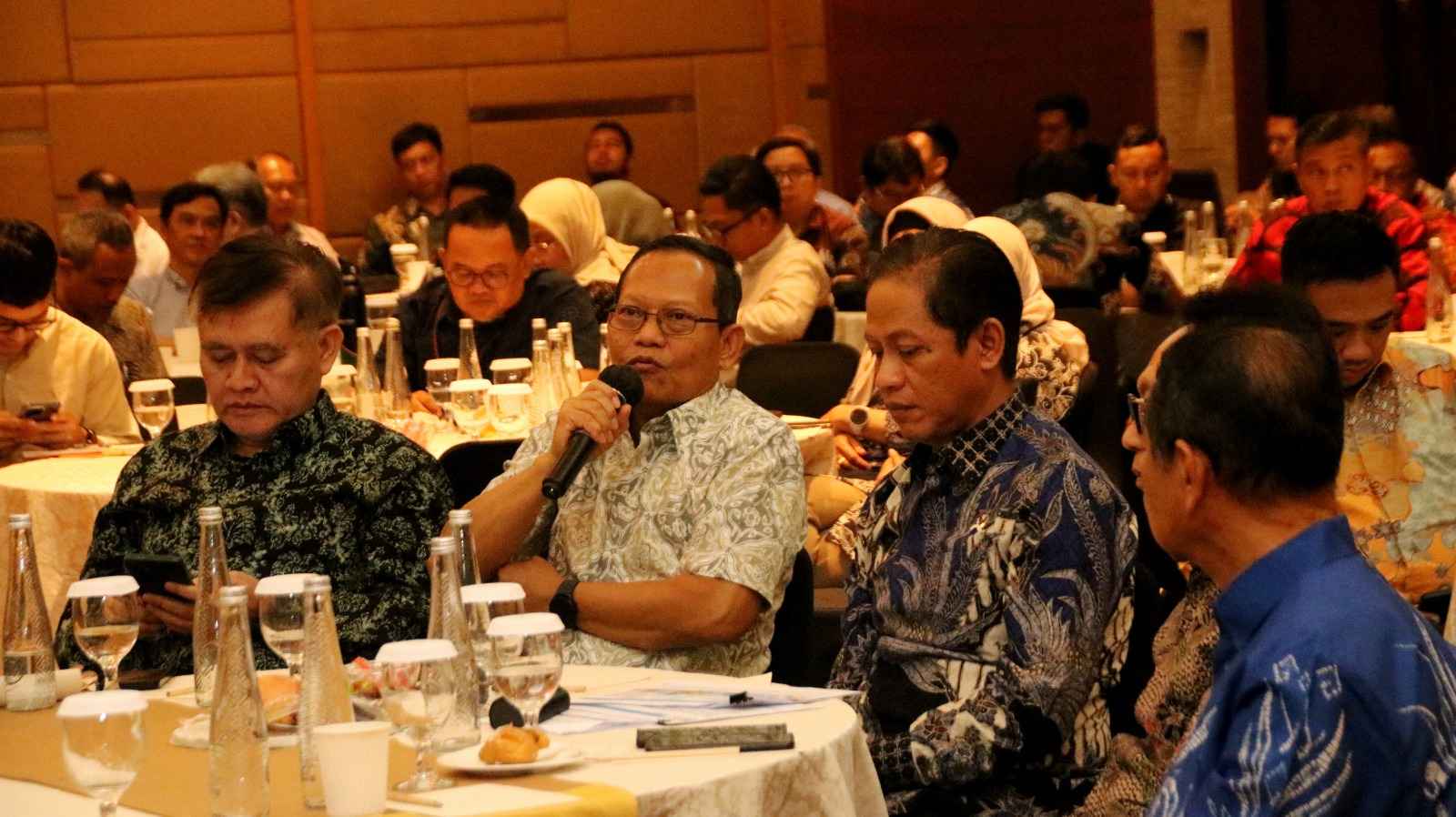
Ristianto Pribadi, Director of Mangrove Rehabilitation at the Ministry of Forestry, stated this during the Indonesian Mangrove Ambassador Selection event held in Jakarta on Sunday (September 7, 2025).
He highlighted that Indonesia’s mangrove ecosystem, covering 3.4 million hectares, plays a crucial role in protecting coastlines from erosion, serving as a habitat for marine life, and absorbing significant amounts of carbon.
“Mangroves are the most productive coastal ecosystems and serve as our natural defense against the climate crisis,” Ristianto said.
However, approximately 600 thousand hectares of mangroves are in a critical state due to land conversion and low public awareness.
Ristianto asserted that rehabilitation efforts must go beyond planting trees; they should include sustainable management, empowerment of coastal communities’ economy, and enhancement of governance supported by data.
He added that this strategy aims not only to restore the environment but also to create business opportunities such as ecotourism, aquaculture, and mangrove-based products.
In this context, the Indonesian Mangrove Ambassadors, selected by the Mangrove Indonesia Lestari Foundation, hold a key role as agents of social change.
“The Mangrove Ambassadors represent the younger generation bringing conservation messages to public spaces, social media platforms, schools, and local communities. They act as role models showing how youth can actively participate in protecting coastal ecosystems,” Ristianto explained.
He expressed hope that the Mangrove Ambassadors would disseminate positive narratives, educate the public, and strengthen real actions on the ground. “Through the Mangrove Ambassadors, we plant seeds of hope that will grow into a large movement to protect mangroves for Indonesia and the world,” he concluded. (*)