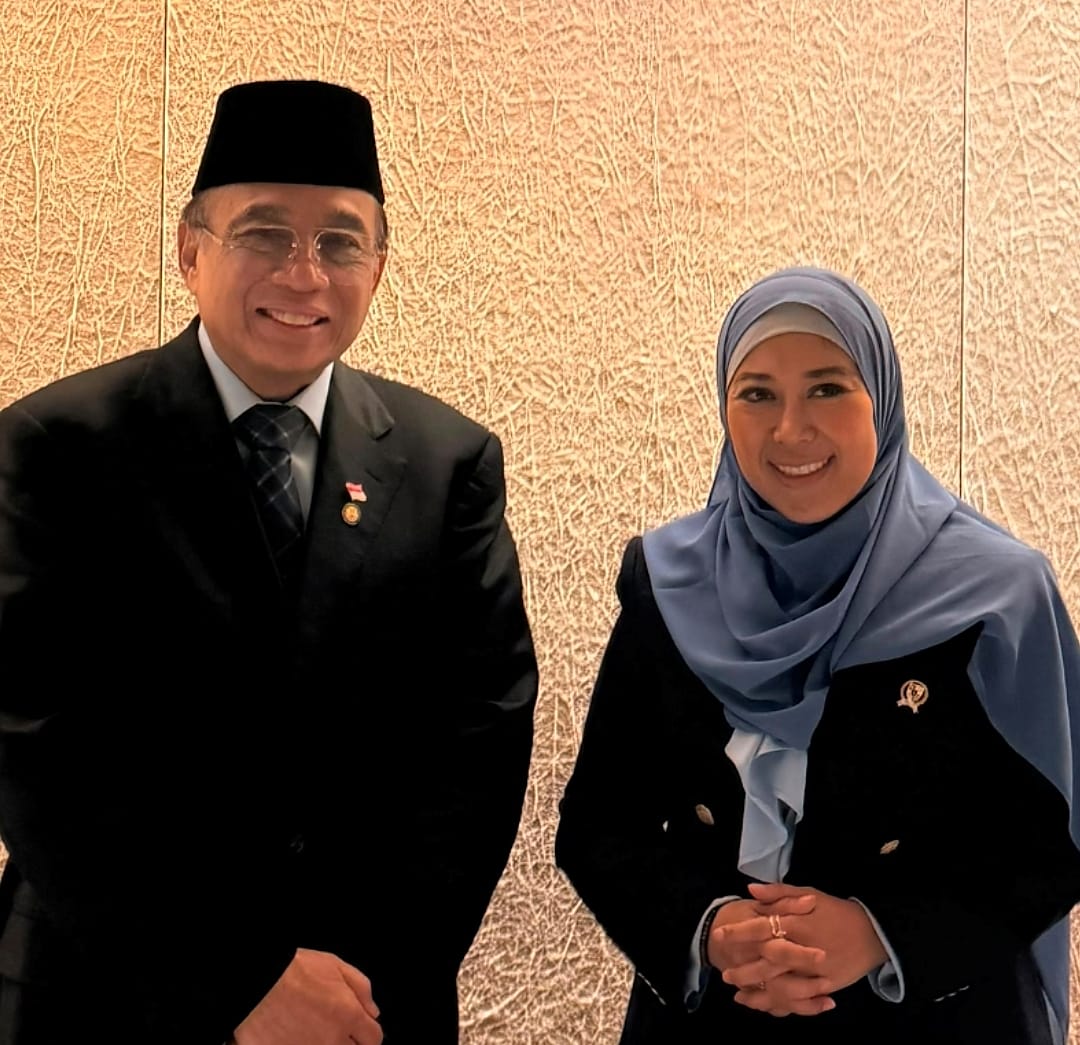
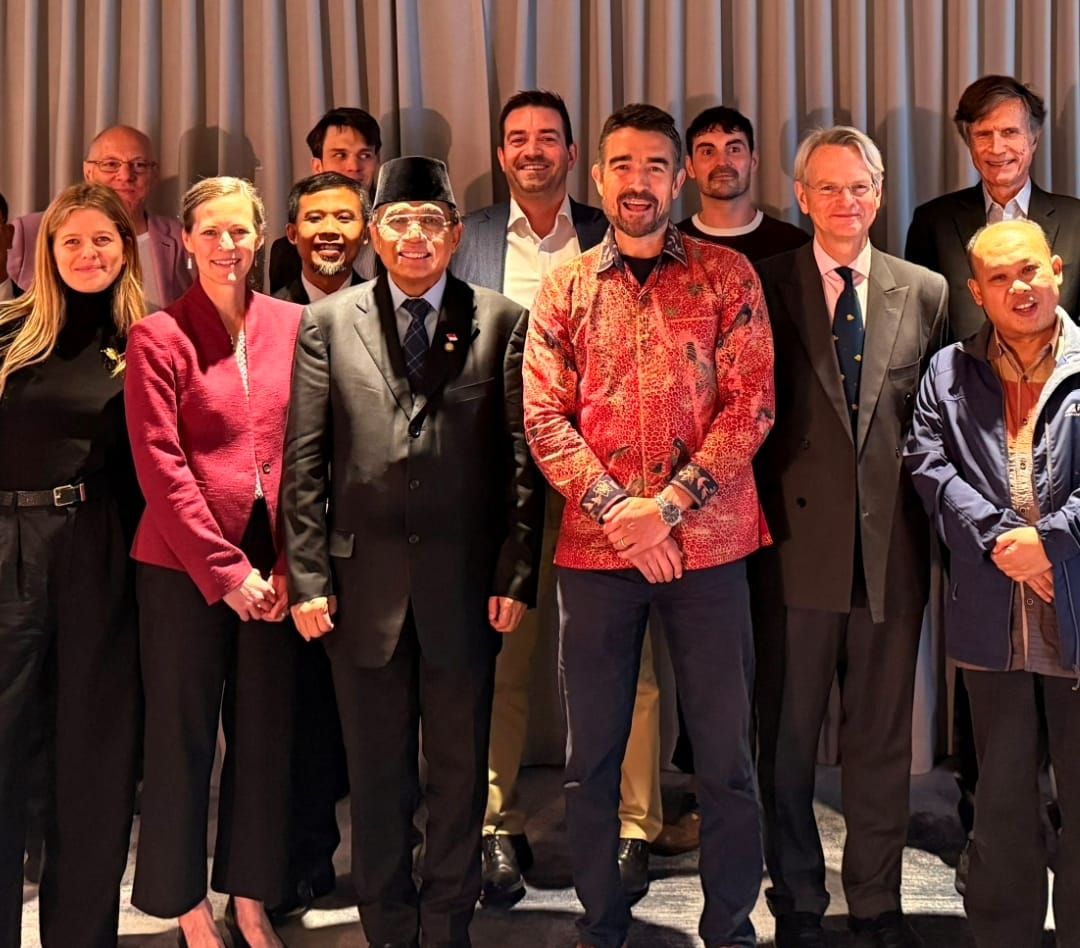
Enviro News Asia, Jakarta – Deputy Speaker of the People’s Consultative Assembly (MPR) from the National Mandate Party (PAN) faction, Eddy Soeparno, stated that Indonesia holds the potential to emerge as a global climate change leader.
He delivered the remarks at the Katadata SAFE (Sustainable Action for the Future Economy) 2025 flagship forum under the theme “Road to COP30: Elevating Indonesia’s Leadership in Global Climate Action” at the Grand Ballroom of Hotel Indonesia Kempinski, Jakarta, on Thursday, September 11, 2025.
Eddy, a political science doctorate from the University of Indonesia, highlighted that Indonesia possesses abundant assets to lead climate initiatives, including tropical forests, renewable energy resources, and vast biodiversity. He underlined the government’s plan to develop 69.5 gigawatts of renewable energy capacity, 75 percent of which will come from sustainable sources.
He further explained that President Prabowo’s diplomatic strategy has placed Indonesia in a strong geopolitical position within groups such as BRICS and the G20. According to him, this status serves as a vital foundation for Indonesia to assume global climate leadership.
Eddy noted Indonesia’s ecological wealth, which includes 127 million hectares of tropical forests, 7.5 million hectares of peatlands, and 3.3 million hectares of mangroves. He also pointed to the nation’s vast potential in Carbon Capture Storage (CCS).
He emphasized that these advantages should be showcased at COP30 in Belém, Brazil, this November, especially as the event highlights the Amazon rainforest while Indonesia’s tropical forests offer equally critical contributions.
To solidify its leadership role, Eddy stressed the importance of setting clear agendas and presenting concrete examples. He cited Indonesia’s waste management efforts as one such model.
The country generates about 56 million tons of waste annually, with 40 percent managed and 60 percent left unhandled in public spaces. Current initiatives include supporting local governments, revising the Waste Management Law, and integrating presidential regulations on waste-to-energy programs.
Eddy concluded that if Indonesia succeeds in turning waste challenges into energy solutions, it could provide a replicable model for other nations tackling similar crises. (*)