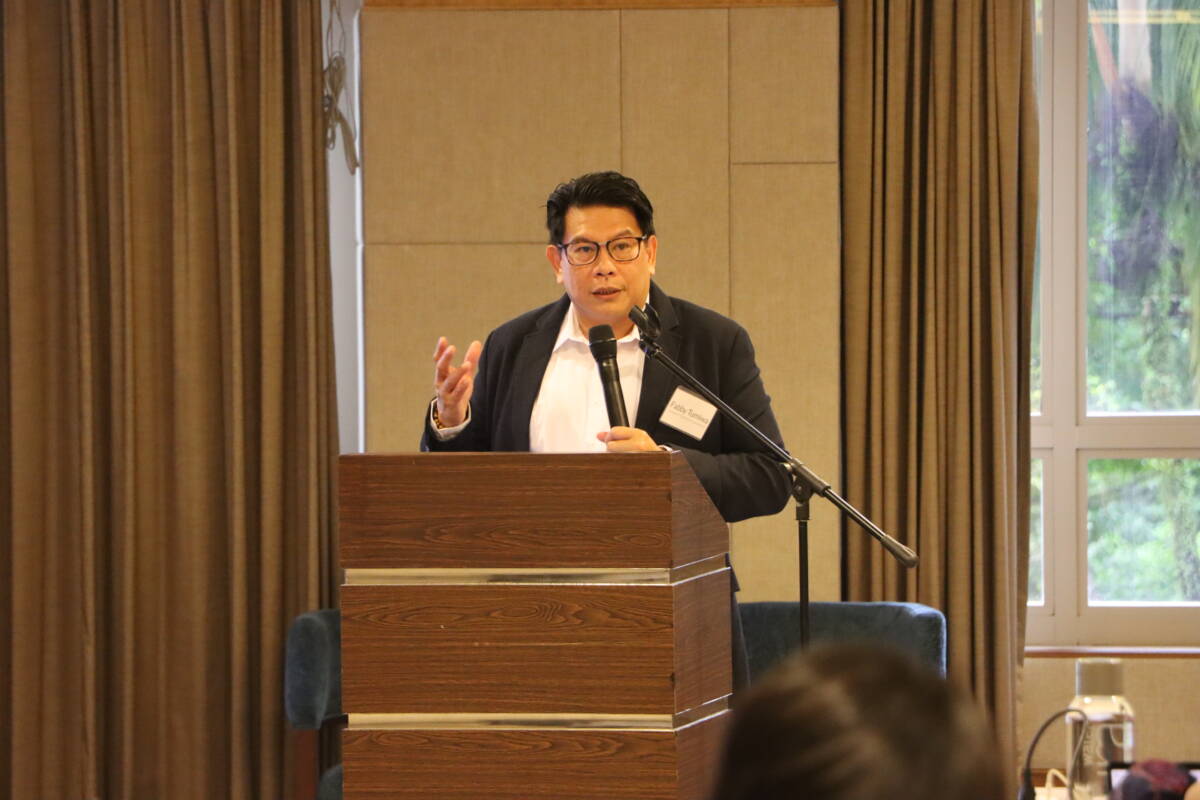
Enviro News Asia, Kuala Lumpur – Southeast Asia faces a serious climate crisis and is being urged to accelerate its shift toward clean energy. Although all 10 ASEAN member states have pledged to reduce greenhouse gas emissions, the region’s reliance on fossil fuels highlights the slow pace of energy transition. Dependence on fossil-based energy, coupled with volatile commodity prices, continues to hinder decarbonization efforts.
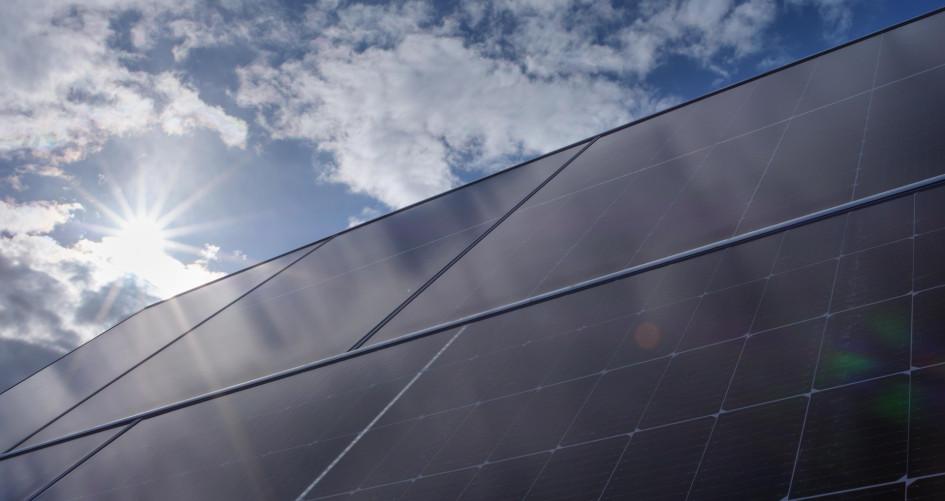
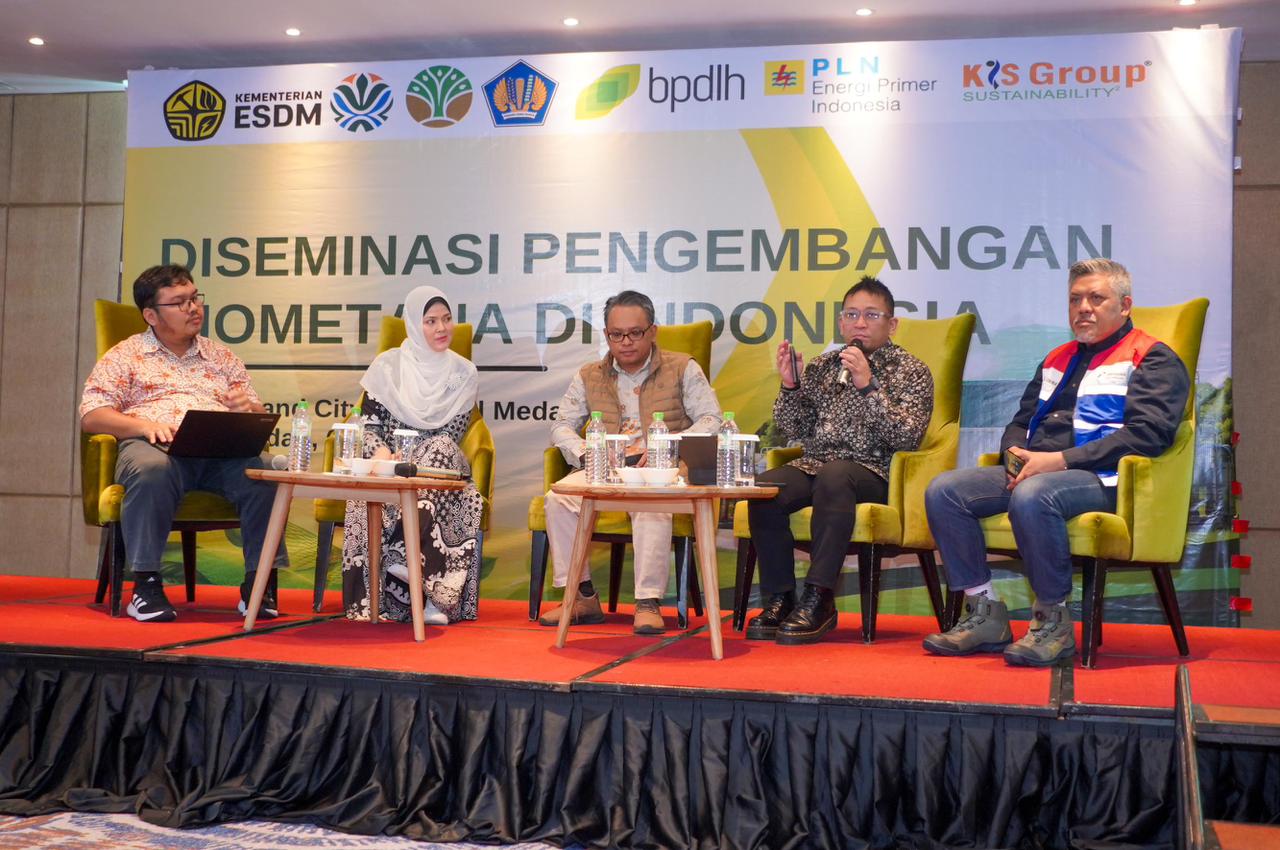
Fabby Tumiwa, CEO of the Institute for Essential Services Reform (IESR), speaking at the Regional Dialogue: Realizing ASEAN’s Energy Future – Turning Vision into Action with the Southeast Asia Energy Transformation Initiative (SEAETI), cited a report by the International Renewable Energy Agency (IRENA). The report estimates Southeast Asia’s renewable energy potential at 17,217 GW, of which 15,592 GW could come from solar energy.
“However, renewable energy utilization in ASEAN remains far from optimal,” Fabby noted in IESR’s official release on Monday (September 22, 2025).
He highlighted key barriers slowing the energy transition, including weak policy frameworks, inconsistent regulations, and extensive fossil-based infrastructure. To address this, IESR promotes a just energy transition through SEAETI, with four strategic recommendations: accelerating clean energy adoption and integration, strengthening green investment and financing mechanisms, positioning ASEAN as a hub for clean energy manufacturing and trade, and enhancing policy coordination and workforce development.
According to IESR, implementing these recommendations will not only accelerate the development of clean energy infrastructure but also strengthen human resources and propel Southeast Asia into becoming a global renewable energy manufacturing hub. With concrete measures and robust regional cooperation, the region holds significant potential to lead the world’s sustainable energy transformation. (*)