EnviroNewsAsia, Jakarta — A criminal law expert from Universitas Pembangunan Nasional Veteran Jakarta (UPNVJ), Dr. Beniharmoni Harefa, S.H., LL.M., emphasized the importance of aligning perspectives among law enforcement agencies in implementing the newly enacted Criminal Code (KUHP) and Criminal Procedure Code (KUHAP), which have been in force since early January 2026.
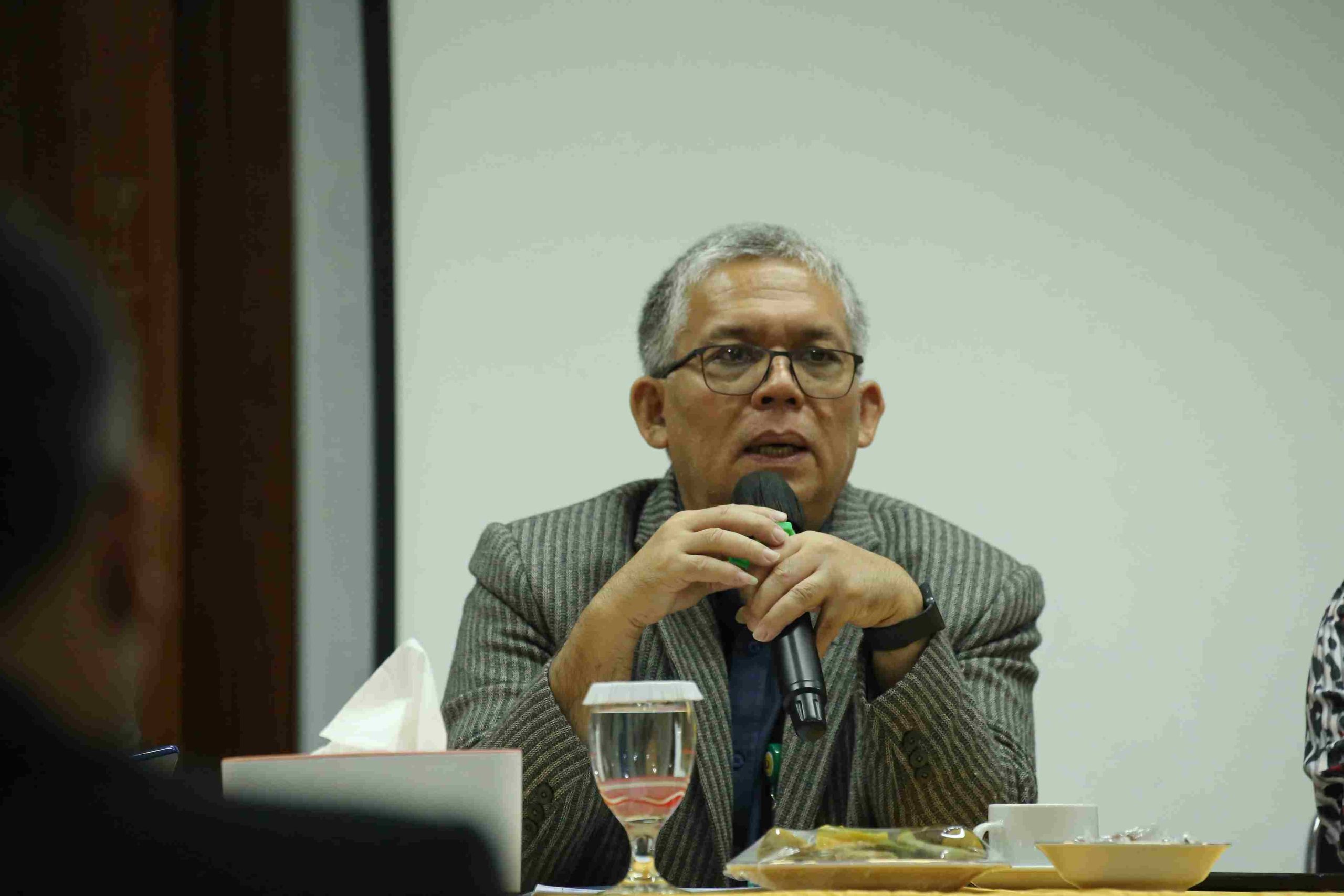
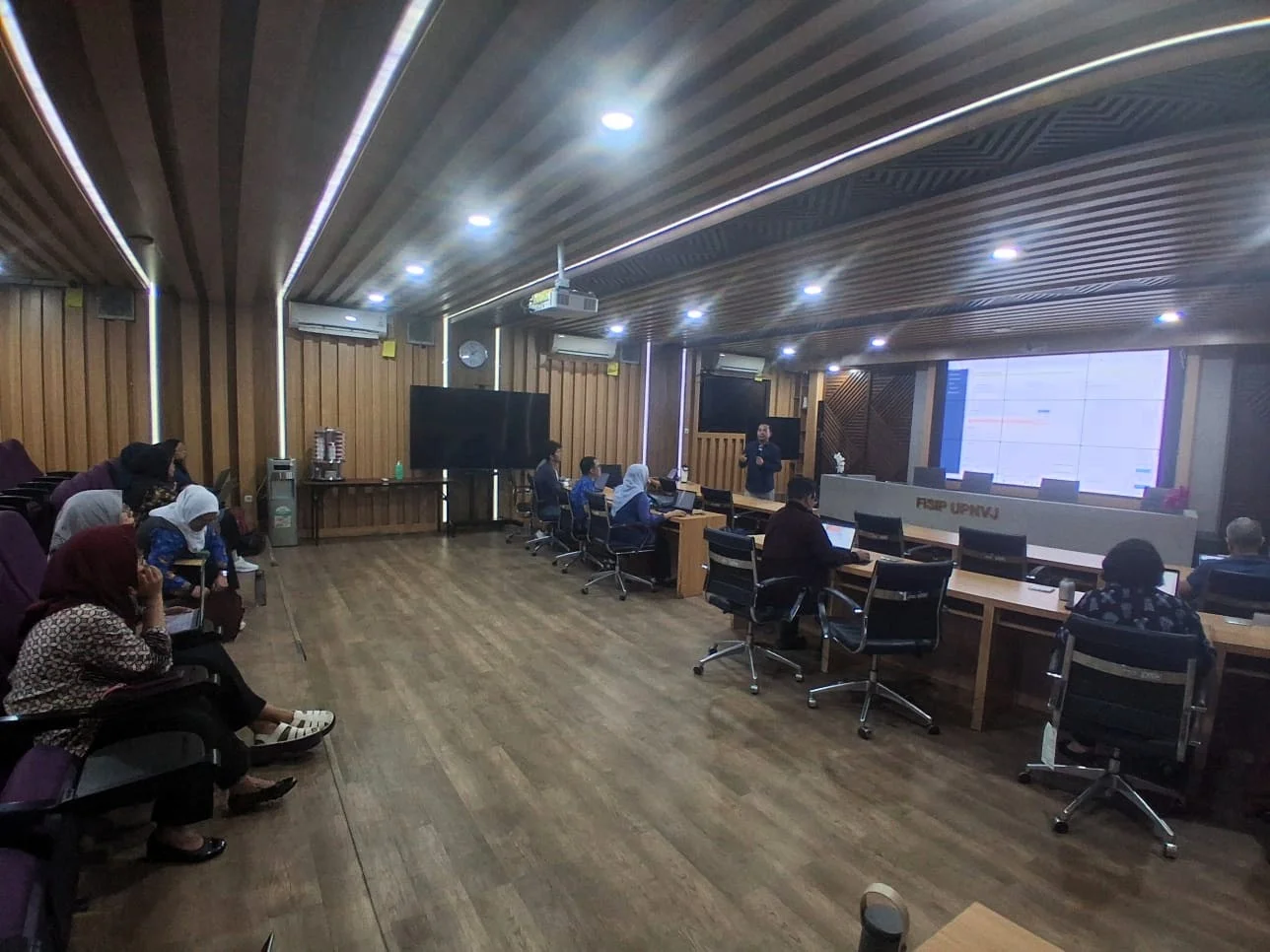
Beniharmoni, who also serves as Vice Dean for Academic Affairs at the Faculty of Law, UPNVJ, delivered the remarks while acting as the main speaker at a coordination meeting on the implementation of the new KUHP and KUHAP held at Le Meridien Hotel, Jakarta, on Wednesday (January 7, 2026). The meeting was attended by approximately 250 participants, including investigators, prosecutors, and law enforcement officers from the Jakarta Metropolitan Police, the Jakarta High Prosecutor’s Office, the West Java High Prosecutor’s Office, and the Banten High Prosecutor’s Office.
According to Beniharmoni, the revision of the Criminal Procedure Code was necessary because the previous law had been in effect since 1981, or for 44 years. In addition to the age of the regulation, the revision was also aimed at aligning the procedural law with the new national Criminal Code, as stipulated in Law Number 1 of 2023, as well as strengthening the protection of human rights within the criminal justice process.
“This reform is intended to ensure that law enforcement is carried out more swiftly, transparently, and in a manner that guarantees the protection of citizens’ rights,” Beniharmoni said during his presentation.
He explained that the new KUHAP introduces several fundamental changes, including the strengthening of restorative justice mechanisms, enhanced protection of the rights of witnesses and victims, and special safeguards for vulnerable groups such as persons with disabilities, women, and the elderly. In addition, the role of defense lawyers has been reinforced, the scope of pretrial review has been expanded, and court decisions are encouraged to make greater use of information technology.
The reform also affects evidentiary rules. Under the new KUHAP, admissible evidence now includes not only witness testimony, expert opinions, documents, and statements of the accused, but also physical evidence, electronic evidence, judges’ observations, and any other evidence lawfully obtained for court proceedings.
The coordination meeting was opened by Director of General Criminal Investigation of the Jakarta Metropolitan Police, Senior Commissioner Dr. Iman Imanuddin, S.H., S.I.K., M.H., together with the Assistant for General Crimes of the Jakarta High Prosecutor’s Office, Dr. Safrianto Zuriat Putra, and the Assistant for General Crimes of the West Java High Prosecutor’s Office, Agus Setiadi, S.H., M.H.
In the second session, the discussion was deepened by the Vice Minister of Law and Human Rights, Prof. Dr. Edward Omar Sharif Hiariej, S.H., M.Hum., and Professor of Law at the University of Indonesia, Prof. Dr. Topo Santoso, S.H., M.H., who addressed the practical challenges of implementing the new Criminal Code and Criminal Procedure Code.
This cross-institutional coordination is considered crucial to ensure that investigators and prosecutors share a uniform understanding, thereby preventing inconsistencies in law enforcement that could hinder the implementation of Indonesia’s national criminal law system. (www.upnvj.ac.id)