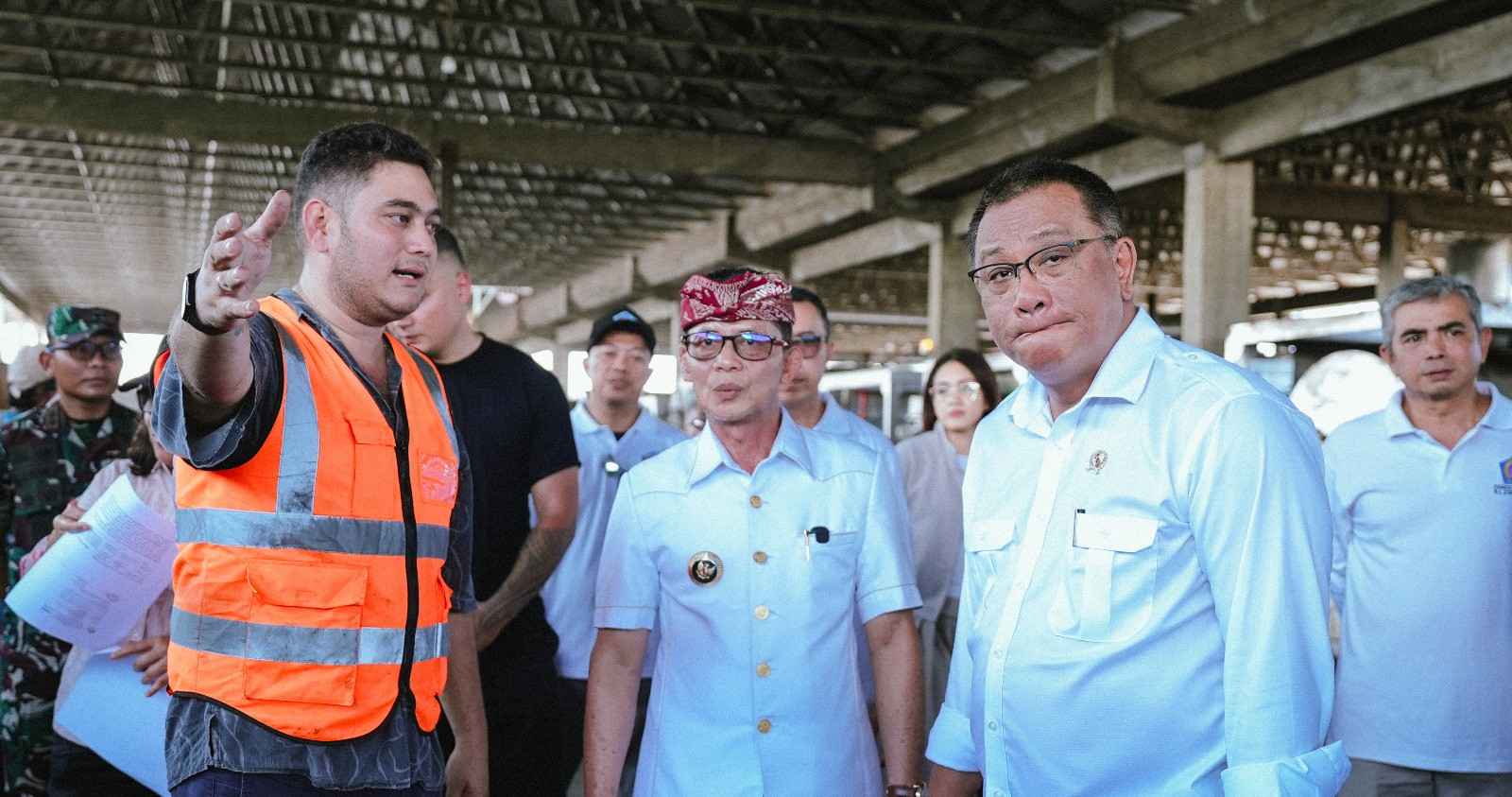


Enviro News Asia, Tapanuli Utara — The Indonesian government reaffirmed its constitutional obligation to protect and restore the environment during a national dialogue held in Tapanuli Utara, North Sumatra, on January 11, 2025. The Vice Minister of Environment emphasized that environmental protection is mandated by the 1945 Constitution, which guarantees every citizen the right to a healthy and sustainable environment.
The statement was delivered at the National Dialogue titled “Caring for the Earth, Strengthening Solidarity for the Nation’s Future”, attended by community leaders and religious figures. The forum highlighted that national protection goals cannot be achieved without safeguarding environmental sustainability and ecological carrying capacity.
The Vice Minister stressed that environmental stewardship represents a direct implementation of the constitutional preamble. He added that President Prabowo Subianto envisions economic growth that remains aligned with environmental sustainability, as mandated under Article 33 paragraph (4) of the Constitution.
Addressing global challenges, the government identified climate change mitigation as a priority, particularly efforts to limit global temperature rise below 1.5 degrees Celsius to prevent extreme weather events and hydrometeorological disasters. To support this goal, the Ministry has enacted Government Regulation No. 26 of 2025 on the Environmental Protection and Management Plan (RPPLH) as a national framework for sustainable development.
In addition, Indonesia strengthened its response to the national waste emergency through Presidential Regulation No. 109 of 2025 on Waste-to-Energy Processing, aimed at reducing landfill pressure while expanding renewable energy sources.
Supporting these efforts, Presidential Special Envoy for Climate and Energy Hashim Djojohadikusumo called on regional leaders to tighten reforestation supervision through agroforestry systems to restore forest functions and promote coexistence with nature.
Meanwhile, Vice Minister of Forestry Rohmat Marzuki confirmed the government’s commitment to rehabilitate 12.7 million hectares of degraded land and encouraged communities to access free tree seedlings through watershed management centers nationwide.
From the food security perspective, Vice Minister of Agriculture Sudaryono underlined agriculture’s role in post-disaster recovery and reaffirmed the government’s target to achieve food self-sufficiency through new rice field development programs.
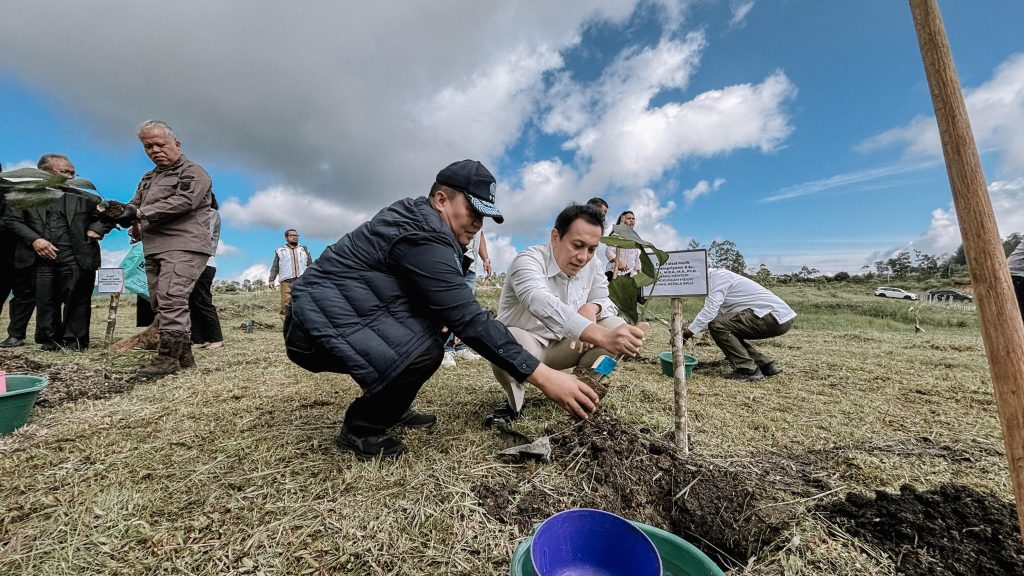
The event, initiated by Gerakan Kristen Indonesia Raya, was attended by North Sumatra Governor Bobby Nasution, business leaders, and religious representatives. The program began with a symbolic tree-planting initiative and the distribution of humanitarian aid to disaster-affected communities in Sumatra. (*)