

Enviro News Asia, Jakarta – The Ministry of Environment and Environmental Control Agency of Indonesia (KLH/BPLH) has initiated the development of two strategic roadmaps aimed at supporting global climate commitments while safeguarding national interests in energy and forestry sectors.
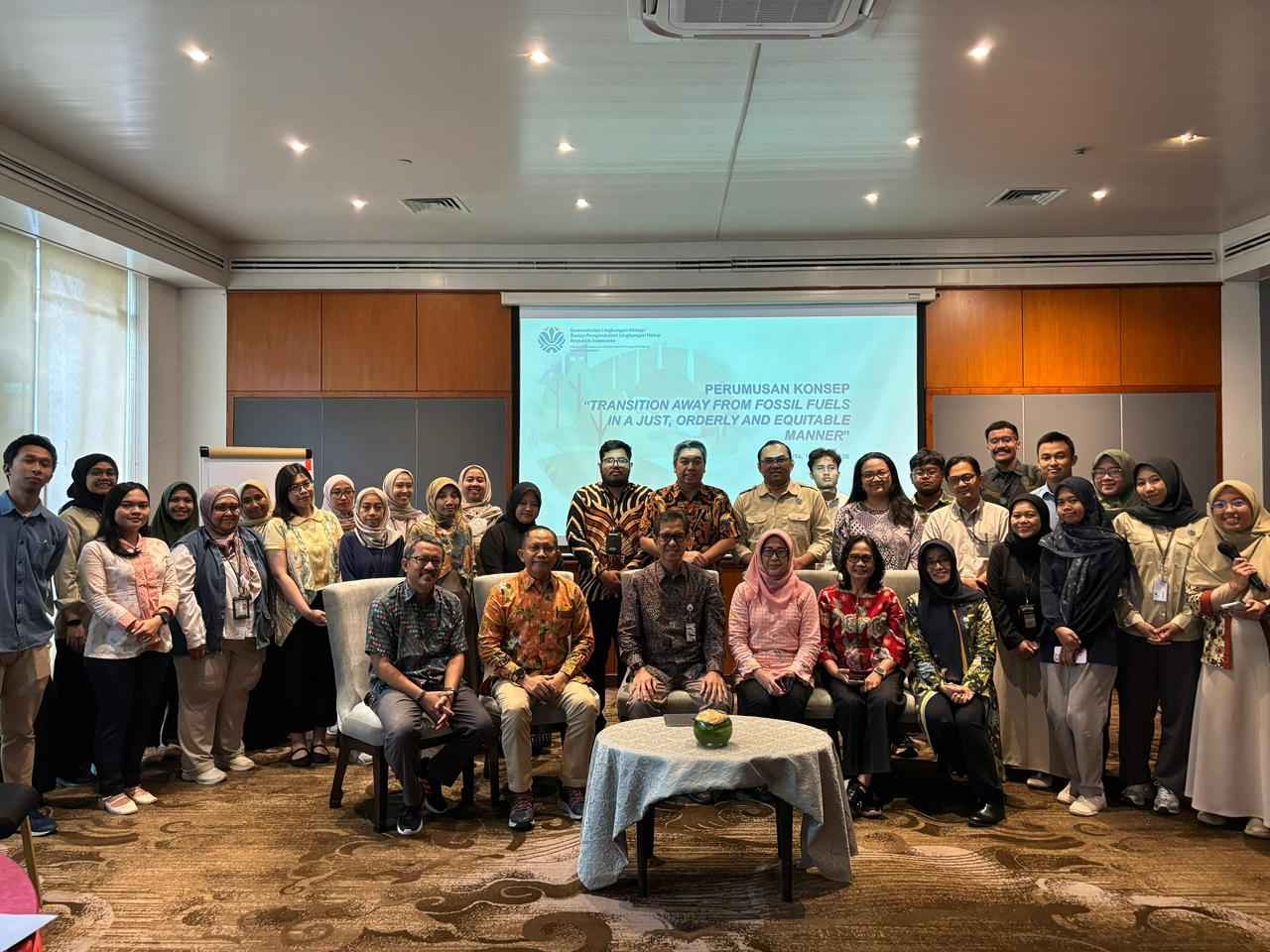
The two frameworks include a Roadmap for the Transition Away from Fossil Fuels in a Just, Orderly, and Equitable Manner (TAFF) and a Roadmap to Halt and Reverse Deforestation and Forest Degradation by 2030. The formulation process involved academics, civil society organizations, and independent experts through a series of dialogues with non-party stakeholders.
The discussions were held over two consecutive days in Jakarta, focusing on the energy sector on March 12 and the forestry sector on March 13, 2026. The meetings were led by the Directorate of Climate Change Resource Mobilization under the ministry, which also serves as the secretariat of Indonesia’s national focal point to the United Nations Framework Convention on Climate Change (UNFCCC).
According to Irawan Asaad, Director of Climate Change Resource Mobilization at KLH/BPLH, the dialogue was organized in response to a request from Brazil as the presidency of COP30 United Nations Climate Change Conference. Brazil invited participating countries to provide inputs for the preparation of the two global roadmaps initiated following the conference held in Belém.
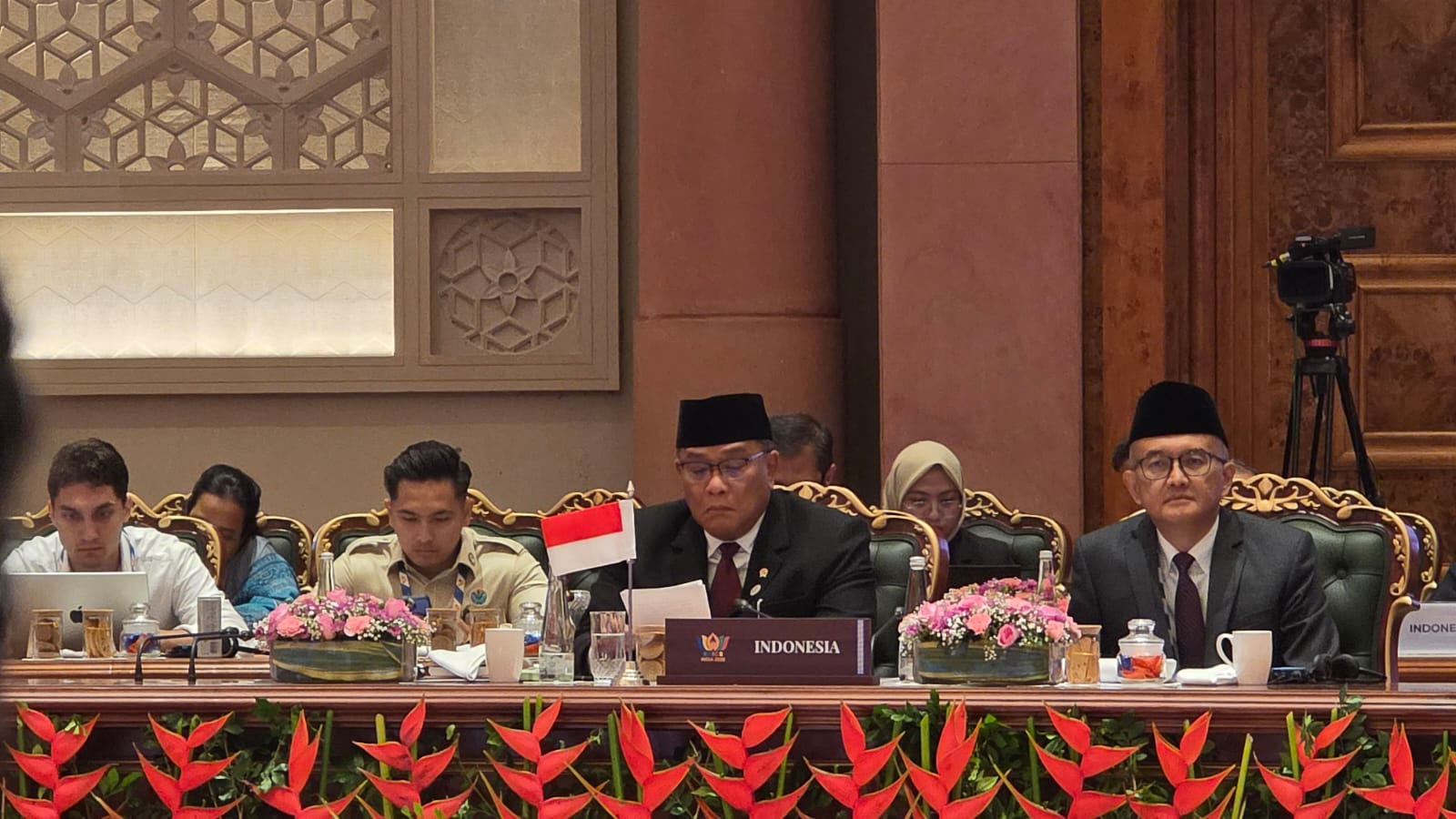
Indonesia emphasized that while it remains committed to global climate agendas, the transition away from fossil fuels must consider national circumstances. The government stressed that the energy transition should be nationally determined, reflecting each country’s development priorities and level of dependence on fossil energy sources.
Similarly, in the forestry roadmap, Indonesia highlighted the importance of recognizing national conditions while accelerating efforts to reduce greenhouse gas emissions from both the energy and forestry sectors. These efforts build on commitments adopted through international climate decisions reached during previous negotiations.
As a follow-up, KLH/BPLH will coordinate with the Ministry of Energy and Mineral Resources of Indonesia and the Ministry of Forestry of Indonesia to develop a draft framework for the two roadmaps. The final document will be submitted to Brazil’s COP30 Presidency and will serve as a basis for Indonesia’s national position in upcoming international climate negotiations, including COP31 United Nations Climate Change Conference scheduled for November 2026 in Antalya, Turkey.
The dialogue also involved representatives from government agencies, universities, and environmental organizations such as World Wide Fund for Nature Indonesia, as well as climate experts including Laksmi Dhewanthie and Emma Rachmawty. (*)