


Enviro News Asia, Leuven — A strategic transfer of banana genetic resources from International Musa Germplasm Transit Centre in Leuven to the Future Seeds genebank in Palmira marks a significant step in strengthening global food security and agricultural resilience.
The initiative, led by the Alliance of Bioversity International and CIAT, aims to safeguard banana diversity while supporting breeding programs and research efforts to develop improved crop varieties.
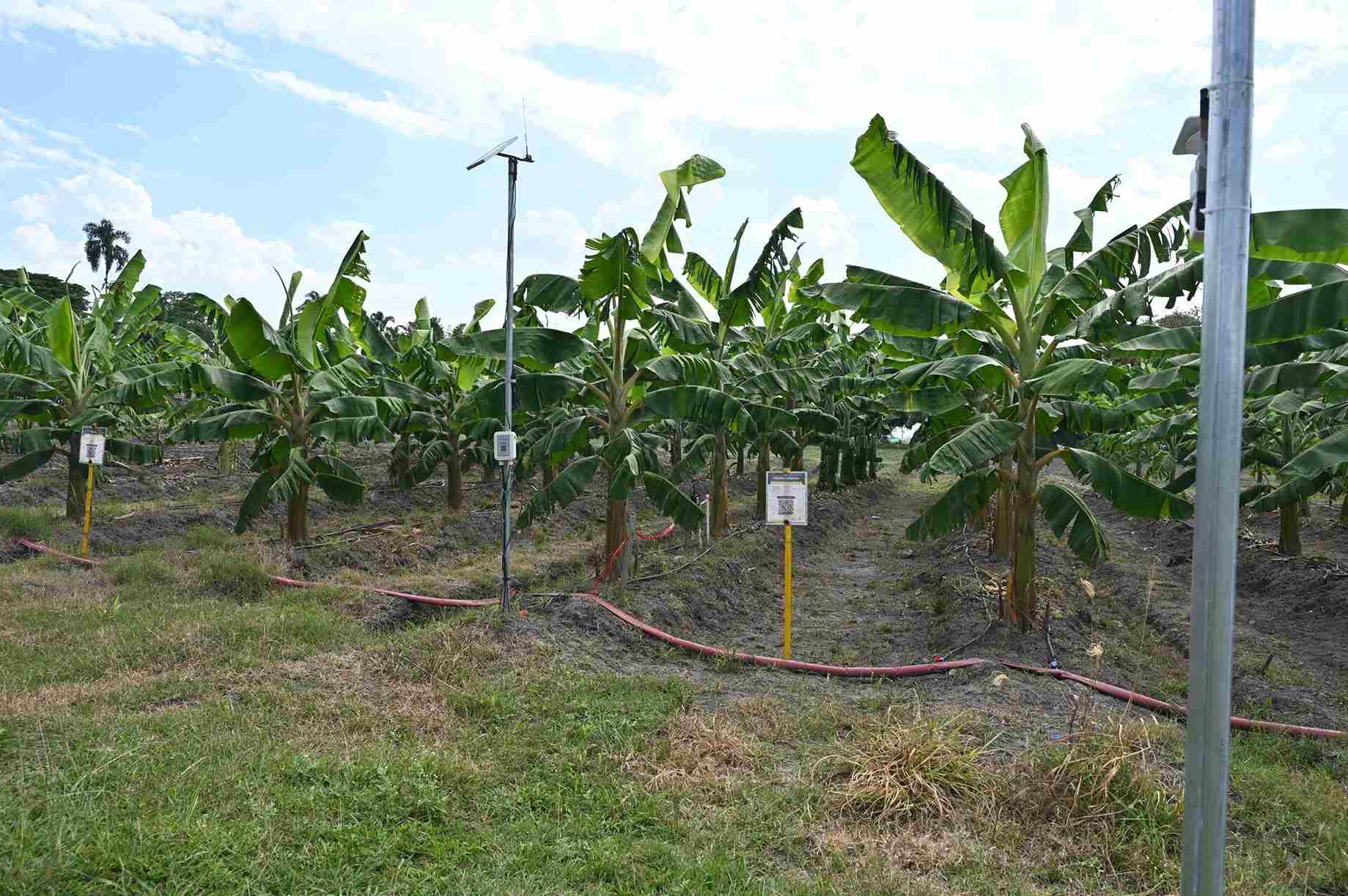
The transferred materials include banana accessions selected for drought tolerance, disease resistance, high nutritional value, and important genetic traits essential for breeding. These resources are now preserved both in field collections and advanced genebank systems in Colombia.
Bananas are a critical food crop globally, with more than 400 million people depending on them for food and income. However, the crop faces increasing threats from climate change, pests, and diseases such as Fusarium Tropical Race 4, which has raised concerns about the vulnerability of global supply chains.
The ITC, established in 1985, maintains one of the world’s largest banana collections, with over 1,700 accessions conserved in vitro and nearly 1,400 preserved through cryopreservation. These systems ensure long-term protection of genetic diversity against environmental and biological risks.
Experts highlight that preserving banana diversity is essential for developing climate-resilient and disease-resistant varieties, as well as maintaining key nutritional and agronomic traits. The genetic materials distributed by the ITC have supported agricultural research and farming systems in more than 100 countries.
The relocation of selected genetic resources to Colombia strengthens research capacity in Latin America and enhances global collaboration in crop conservation. It also supports efforts to accelerate innovation through modern technologies, including genomics and gene editing.
As climate pressures intensify, scientists stress that continued investment in genebanks and crop diversity research is critical to ensuring sustainable food systems, protecting farmer livelihoods, and securing the future of one of the world’s most important staple crops. (*)