Enviro News Asia, Pontianak — The Dewan Kehutanan Nasional (DKN) convened a national webinar on Tuesday to strengthen multi-stakeholder collaboration in advancing sustainable forest management and achieving Indonesia’s FOLU Net Sink 2030 target, with a focus on West Kalimantan.
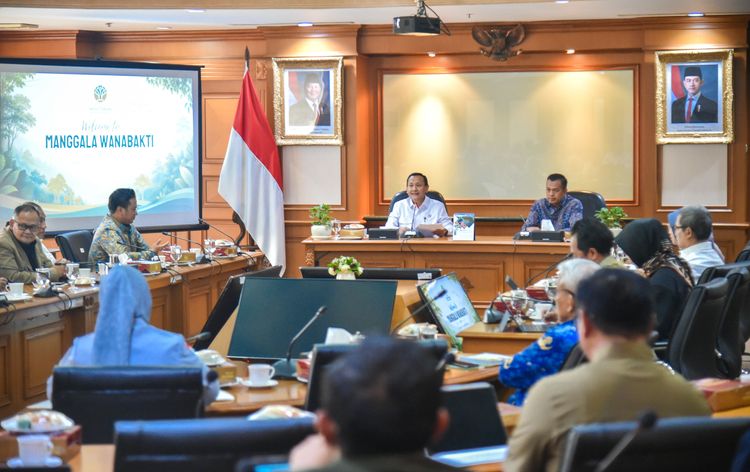
The hybrid event, titled “Leadership Policy through Multi-Stakeholder Collaboration on Sustainable Green Economy in Achieving Indonesia’s FOLU Net Sink 2030 (Case Study of West Kalimantan Province)”, brought together government officials, industry representatives, academics, and civil society actors.
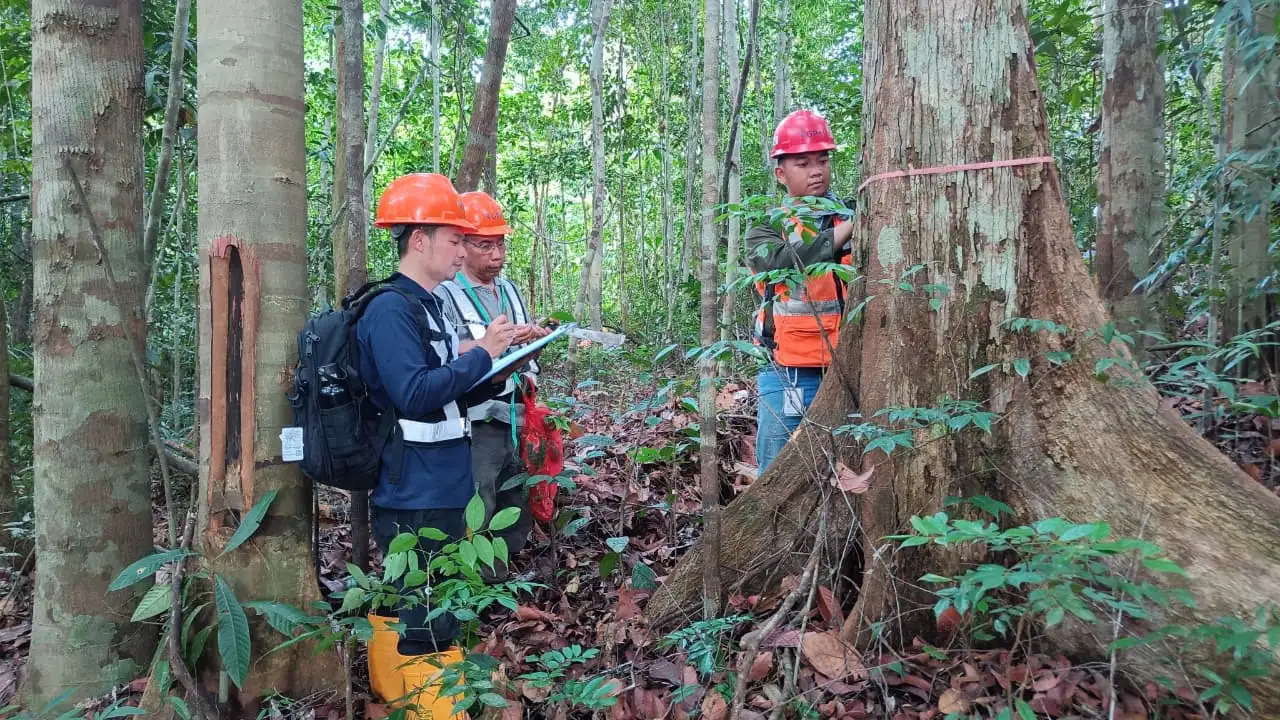
Governor of West Kalimantan, Ria Norsan, emphasized that the province holds approximately 8.4 million hectares of forest area, accounting for around 57 percent of its total land. He noted that 59 percent of villages are located within or around forest areas, making forest sustainability a cornerstone of regional development and a critical contribution to global climate stability.
Ria underscored the provincial government’s commitment to fostering collaborative leadership and advancing a sustainable green economy to accelerate the FOLU Net Sink 2030 target. He added that the policy direction aligns with regional development goals focused on improving environmental quality through green economic transformation, which is expected to enhance carbon absorption while opening opportunities for low-carbon investment and community welfare.
Secretary of the Directorate General of Sustainable Forest Management at the Ministry of Forestry, Erwan Sudaryanto, stated that the national FOLU Net Sink 2030 policy provides significant opportunities to strengthen the forestry sector through mitigation actions. These include preventing deforestation, developing plantation forests, increasing carbon stocks, restoring peatlands, and managing mangroves.
He highlighted that the policy also enables integrated forest management approaches, including carbon market utilization and downstream forestry industry development. Strengthening implementation at the regional level, particularly in West Kalimantan, remains essential to achieving national targets.
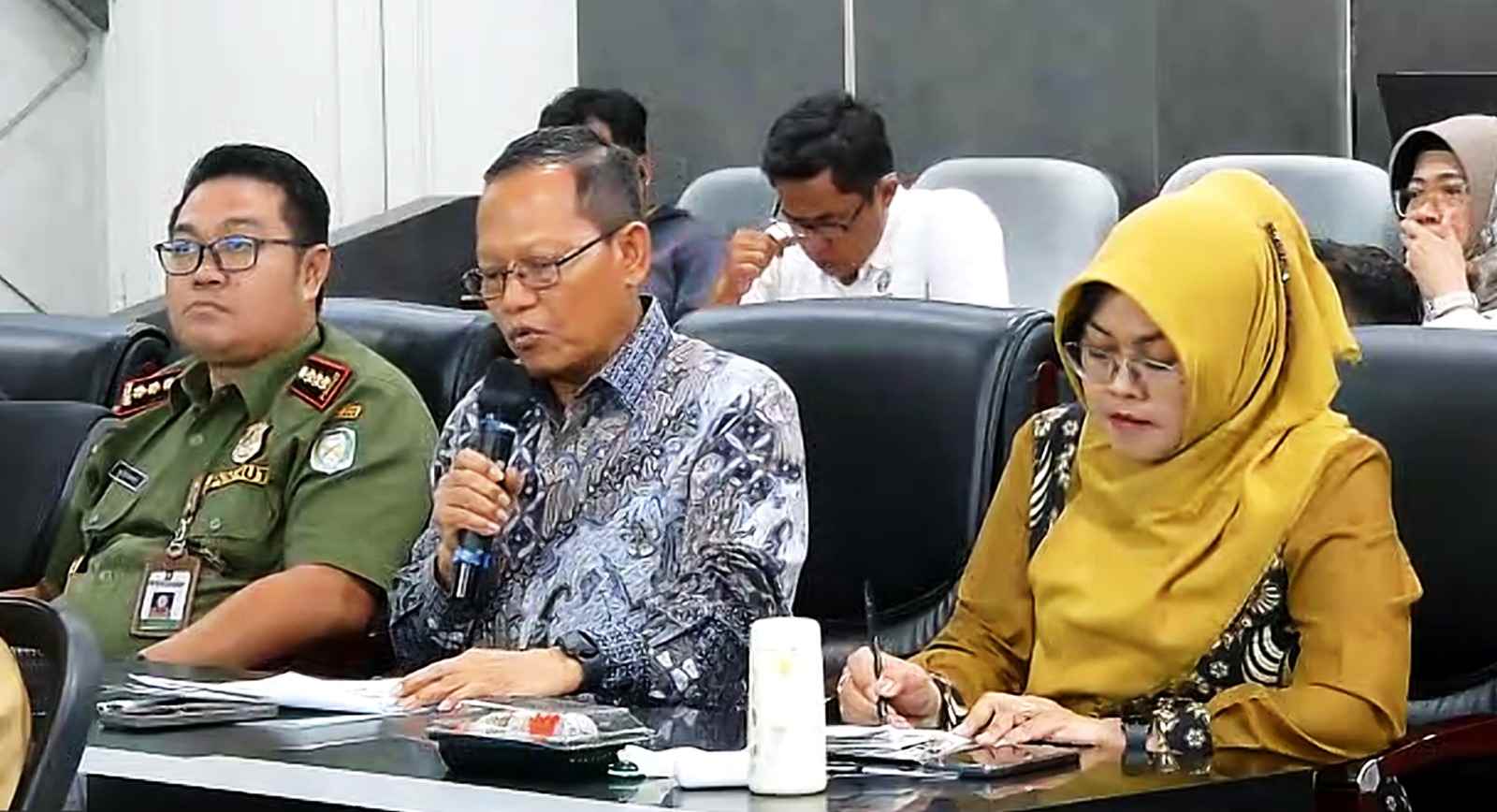
Meanwhile, Chairman of the Asosiasi Pengusaha Hutan Indonesia (APHI), Soewarso, stressed the importance of multi-business forestry and downstream processing to enhance sectoral value. He explained that multi-business forestry integrates timber, non-timber forest products, and environmental services within a single system to improve efficiency and diversification.
Soewarso added that downstream forestry development plays a crucial role in increasing domestic value-added and creating new economic opportunities based on the bioeconomy. He emphasized that strong partnerships, innovation, and supportive policies and financing are key to successful implementation.
The webinar concluded with a shared commitment among stakeholders to strengthen collaborative governance and sustainable forest management practices in support of Indonesia’s FOLU Net Sink 2030 target. (*)