Enviro News Asia, Tashkent – Uzbekistan has taken a significant step toward developing a clean hydrogen economy with the launch of a new international project aimed at building a national ecosystem for low-carbon hydrogen production and investment.
The initiative, titled “Clean Hydrogen for Uzbekistan,” was officially introduced on April 2, 2026, in Tashkent by the Global Green Growth Institute (GGGI) in collaboration with the Ministry of Energy of Uzbekistan. The project is supported by the Korea Green New Deal Trust Fund under the Ministry of Economy and Finance of the Republic of Korea, reflecting growing international cooperation in advancing clean energy transitions.
The program seeks to create enabling conditions for hydrogen development by strengthening policy frameworks, enhancing institutional capacity, and unlocking investment opportunities. It is designed to support Uzbekistan’s broader energy transition agenda, as the country works to diversify its energy mix and reduce carbon emissions in line with national and international commitments.
Uzbekistan has accelerated its green transition in recent years through its Green Economy Strategy 2019–2030 and updated Nationally Determined Contribution (NDC 3.0), adopted in October 2025. The government targets increasing the share of renewable energy to 54 percent of electricity generation by 2030, alongside long-term decarbonization goals that include the exploration of hydrogen as a strategic energy carrier.
Clean hydrogen, defined as hydrogen produced with minimal or near-zero greenhouse gas emissions, is gaining global traction due to its potential to decarbonize hard-to-abate sectors and enhance energy system flexibility. It can store and transport energy without the emissions associated with fossil fuels, making it a key component in future low-carbon economies.
Under the new project, stakeholders will work on three main priorities: developing a national hydrogen roadmap, strengthening regulatory and policy frameworks, and facilitating market development through project identification and investment promotion. Capacity-building activities, including technical workshops and international study tours, will also be conducted to support public sector institutions.
“By collaborating with GGGI, we are utilizing global expertise to develop a clear roadmap for hydrogen deployment,” said Bekhruz Mirzayev, Head of the Green Economy Project Department at the Ministry of Energy. “This project also creates a transparent environment for international investment and private sector engagement. Successfully establishing a hydrogen economy will not only foster innovation and job creation but also position Uzbekistan as a competitive energy partner in the regional market,” he added.
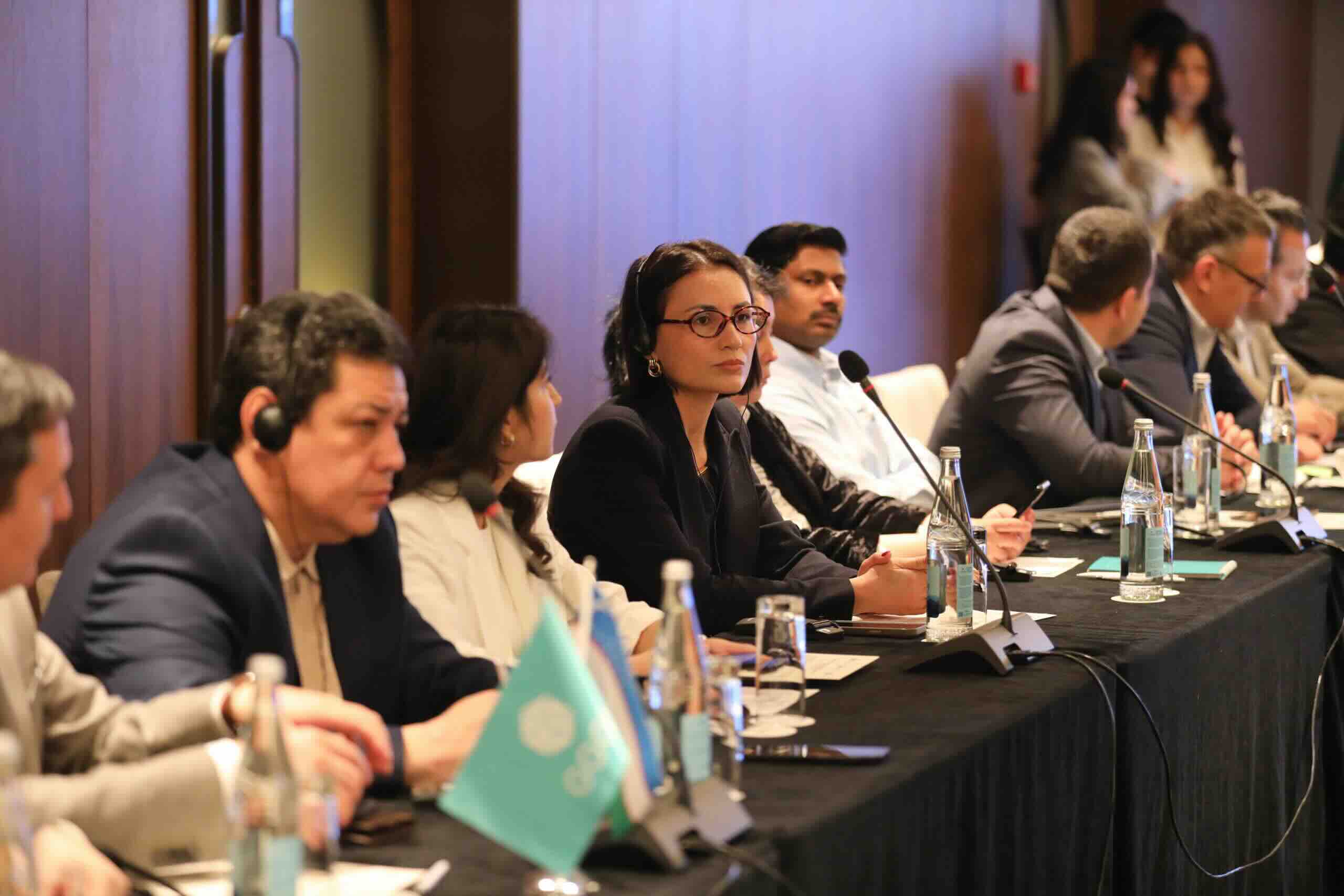
The launch event brought together representatives from key government institutions, including the ministries of energy, economy and finance, and transport, as well as the National Committee on Ecology and Climate Change. International partners such as the European Bank for Reconstruction and Development (EBRD) also participated, highlighting broad stakeholder interest in hydrogen development.
During the event, participants discussed the potential role of hydrogen in Uzbekistan’s energy transition and explored opportunities for future collaboration through a roundtable session. The dialogue focused on identifying early-stage project opportunities and addressing challenges related to regulation, infrastructure, and financing.
The “Clean Hydrogen for Uzbekistan” project is expected to lay the foundation for long-term decarbonization, particularly in energy-intensive industries, while opening new pathways for industrial growth and export development. The initiative also signals Uzbekistan’s intention to position itself within the emerging global hydrogen market as countries seek scalable solutions to meet climate targets. (*)