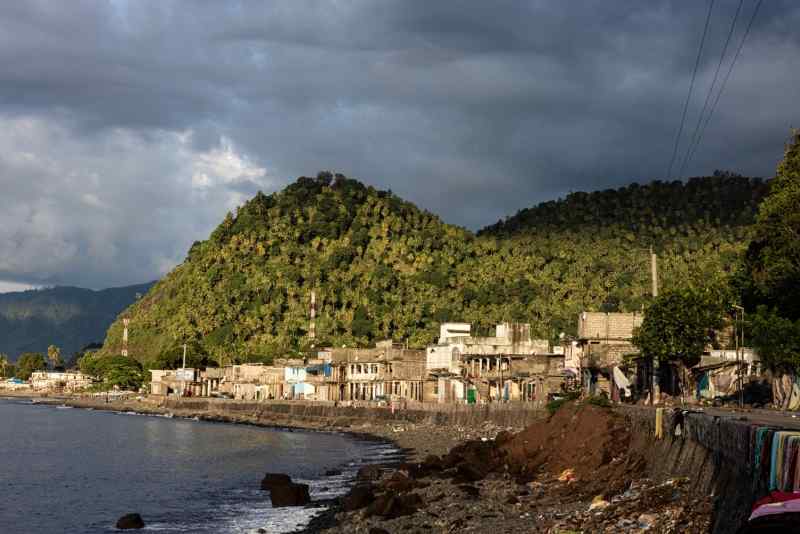
Enviro News Asia, Comoros — On the island of Anjouan in Comoros, communities are working to restore forests after decades of deforestation pushed the island’s fragile ecosystem toward collapse.
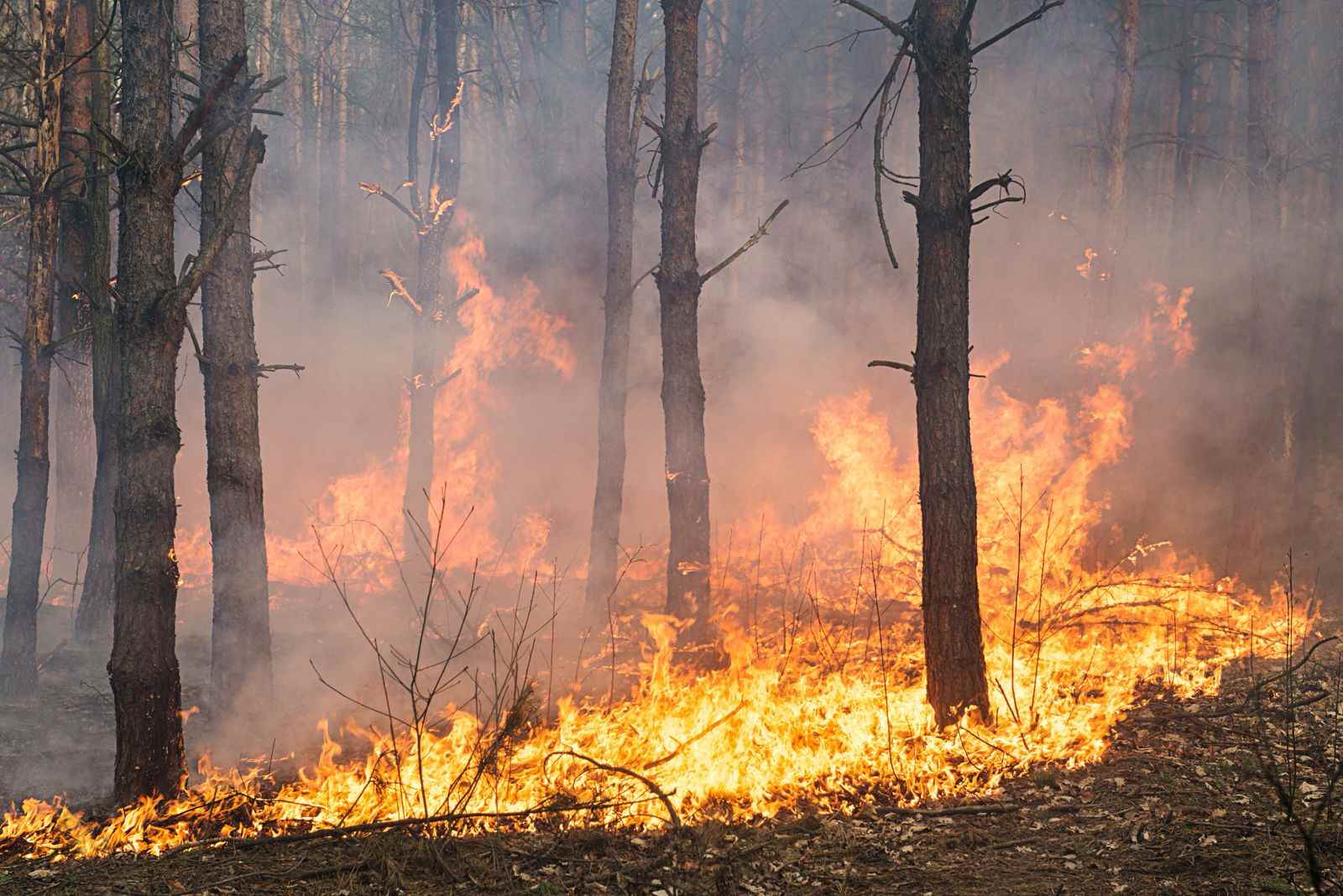
Local farmer Toybu Ahmed is among those replanting trees across steep, degraded slopes. The effort aims to reverse severe environmental damage that has reduced forest cover by 28 percent over the past two decades, triggering soil erosion, water scarcity, and declining agricultural productivity.
The disappearance of forests has had cascading impacts. Once-stable water systems have deteriorated, with 40 of the island’s 50 perennial rivers drying up. Coastal erosion has also intensified, threatening livelihoods and infrastructure in one of the world’s most densely populated small islands.
To address these challenges, restoration initiatives supported by United Nations Environment Programme and the Global Environment Facility helped replant 1.4 million trees and rehabilitate 7,500 hectares of watersheds between 2017 and 2022, benefiting approximately 38,000 people across the country.
In addition to forest restoration, the project introduced rainwater-harvesting systems in 15 villages, improving water access for rural communities. Agroforestry practices were also promoted, enabling farmers to restore soil fertility while increasing productivity without expanding agricultural land into forest areas.
These approaches have helped reduce pressure on forests while improving livelihoods. Around 1,000 families diversified their income sources through activities such as poultry farming, spice gardening, and the production of plant-based products, contributing to a 20 percent increase in average annual incomes.
Experts highlight that forests play a critical role as natural buffers against climate shocks, including droughts, floods, and extreme heat. According to World Bank assessments, climate risks in Comoros are expected to intensify, with extreme rainfall events projected to occur more frequently by mid-century.
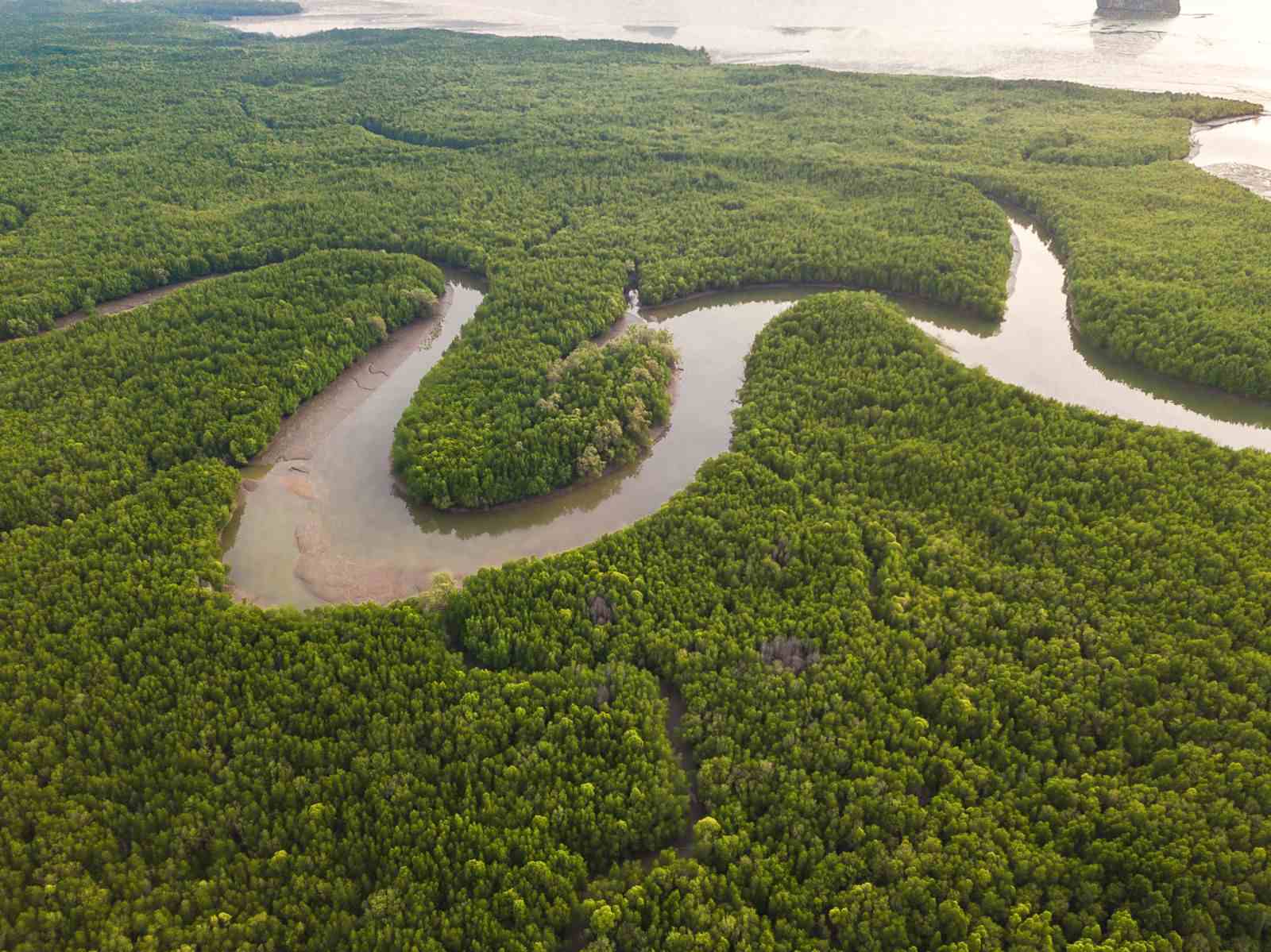
Building on earlier success, United Nations Environment Programme and the Global Environment Facility are preparing a new large-scale initiative backed by a US$10 million grant. The program will focus on restoring mangroves, coastal ecosystems, and watersheds to strengthen climate resilience for approximately 140,000 coastal residents.
The experience in Anjouan demonstrates how ecosystem restoration, community engagement, and sustainable livelihoods can work together to address climate challenges while supporting long-term development. (*)