Enviro News Asia, Jakarta — PT Pertamina (Persero) is accelerating the utilization of geothermal energy beyond electricity generation to support community-based economic development across Indonesia, as part of its broader energy transition strategy.
Through its subsidiary Pertamina New & Renewable Energy and PT Pertamina Geothermal Energy Tbk, the company is diversifying geothermal applications into sectors such as green hydrogen production, carbon credits, and direct community use.
Vice President Corporate Communication Muhammad Baron stated that geothermal energy offers significant potential beyond power generation, particularly in supporting local economies. He noted that while many countries primarily use geothermal for electricity, Indonesia has an opportunity to expand its benefits due to its abundant geothermal resources.
The initiative focuses on both direct and indirect uses of geothermal energy. These include agricultural and plantation applications, where geothermal steam is utilized to improve productivity and efficiency.
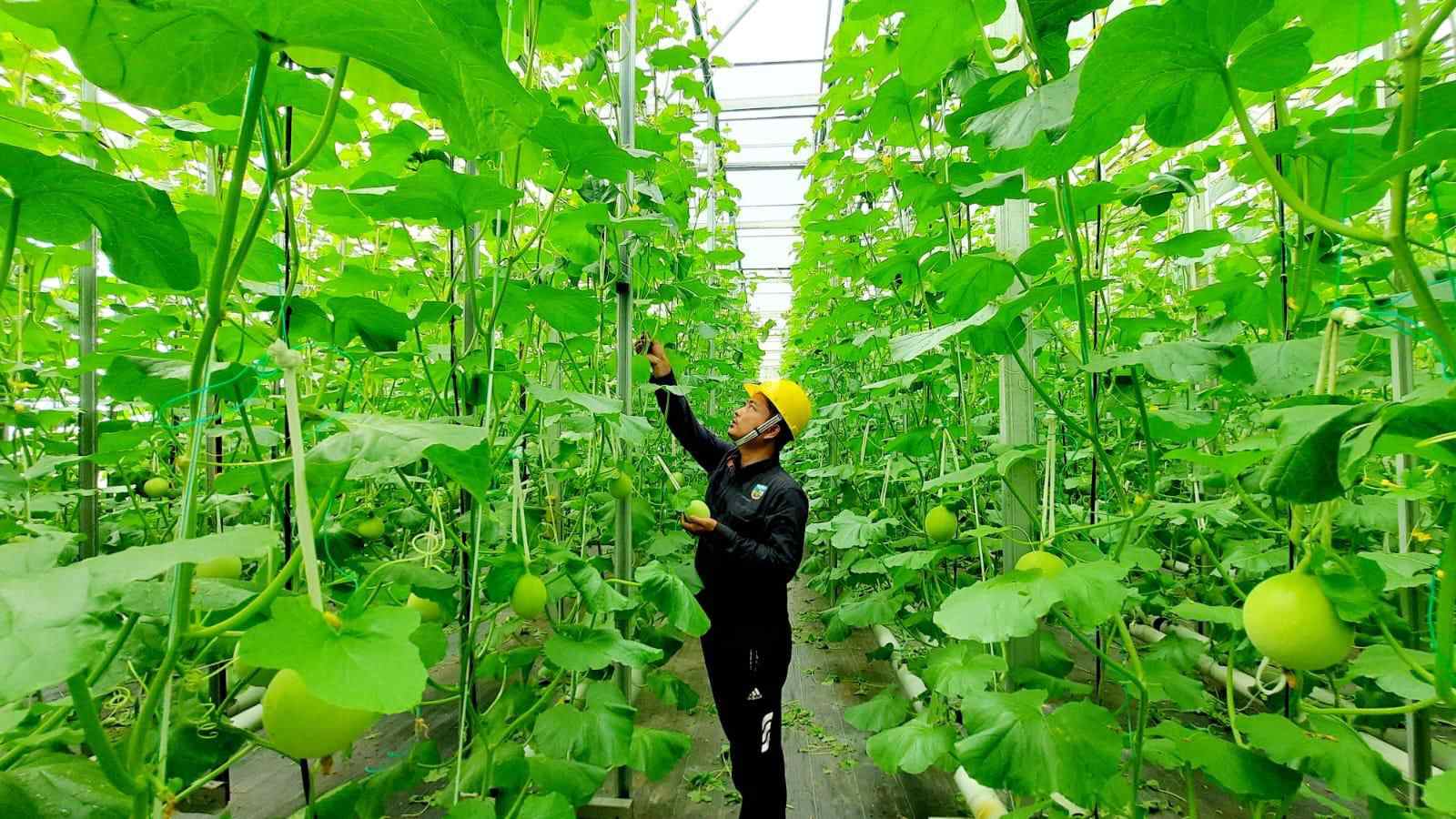
According to Rika Gresia Wahyudi, several community development programs have already demonstrated tangible impacts. In the Kamojang area, geothermal energy is used to dry coffee beans more efficiently, reducing dependence on weather conditions. In Ulubelu, geothermal heat supports hydroponic melon farming by stabilizing greenhouse temperatures, improving crop quality.
In Lahendong, geothermal fluids are used in environmentally friendly palm sugar production, while by-products such as silica are processed into organic fertilizers to enhance agricultural resilience.
These initiatives are part of Pertamina’s Community Involvement and Development (CID) programs, which aim to create sustainable economic value while promoting environmental sustainability.
The company emphasized that expanding geothermal utilization aligns with Indonesia’s commitment to achieving its Net Zero Emission target by 2060 and advancing the Sustainable Development Goals (SDGs) through environmentally responsible and inclusive energy solutions. (*)