Salemba, 28 April 2026
Mahawan Karuniasa
The leadership transition at Indonesia’s Ministry of Environment marks a critical test for the continuity and direction of the country’s environmental governance, particularly amid escalating ecological and climate challenges.
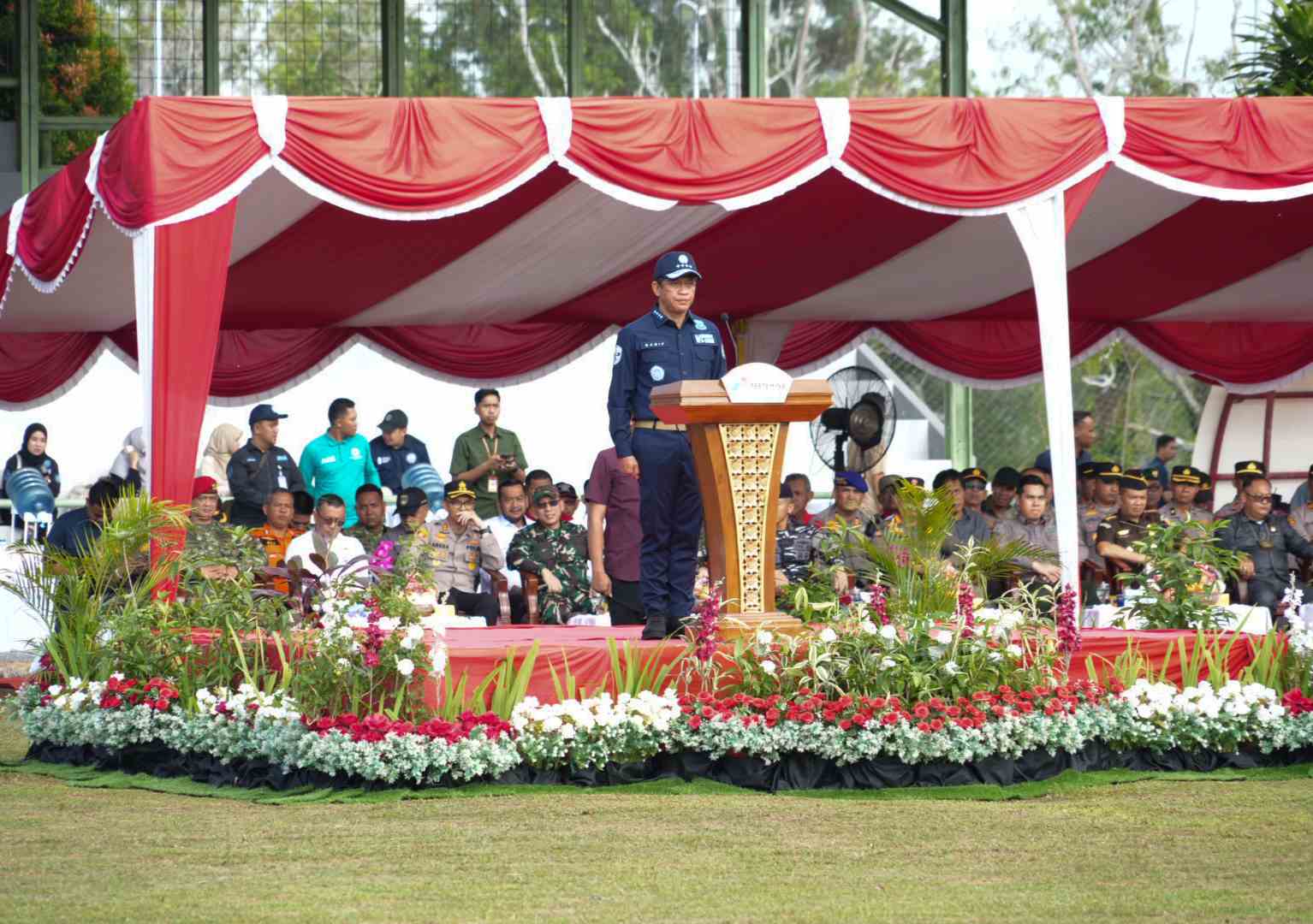
The handover from Hanif Faisol Nurofiq to M. Jumhur Hidayat on 27 April 2026 represents more than a routine administrative change. It signals a pivotal moment in determining whether Indonesia’s environmental policies can evolve from regulatory enforcement toward a more inclusive and justice-oriented framework.
During his tenure, Hanif was widely regarded for his technocratic and enforcement-driven approach. His administration focused on four key priorities: phasing out open dumping practices, strengthening the Corporate Performance Rating Program (PROPER), enhancing environmental law enforcement, and developing integrated environmental data systems. While these efforts improved oversight, structural transformation remains incomplete.
One of the most pressing concerns is the resurgence of forest and land fires in 2026, which reportedly reached approximately 52,000 hectares, particularly in regions such as Riau and West Kalimantan. This highlights the gap between regulatory enforcement and long-term socio-ecological resilience.
In contrast, Jumhur enters office with a background rooted in labor activism and social advocacy rather than environmental technocracy. His experience, including leadership at BNP2TKI, positions him to strengthen participatory governance and address environmental issues through a social justice lens.
Observers note that this shift could broaden policy legitimacy by incorporating the perspectives of vulnerable communities—such as those affected by pollution, waste management issues, forest fires, and land-use conflicts. However, Jumhur faces the immediate challenge of bridging technical gaps in complex environmental domains, including hazardous waste management, environmental impact assessments, carbon economics, and biodiversity conservation.
Analysts suggest that the ideal path forward lies in combining Hanif’s regulatory rigor with Jumhur’s social engagement approach. Such a synthesis could transform environmental governance into a more holistic system—one that not only enforces compliance but also ensures ecological restoration, public transparency, and community protection.
Key priorities for the new leadership’s initial phase may include accelerating the closure of open dumping sites, strengthening waste segregation systems, enhancing PROPER with a focus on environmental recovery, addressing forest fire risks, and improving public access to environmental data and grievance mechanisms.
Ultimately, the success of this transition will depend on whether environmental governance can move beyond administrative control toward a model that actively safeguards public rights to clean air, safe water, healthy land, and sustainable livelihoods.
As Indonesia faces mounting pressures from what scientists describe as a “planetary crisis,” the challenge for the new leadership is clear: to ensure that environmental policy is not merely reactive, but transformative, inclusive, and grounded in both science and social justice. (*)