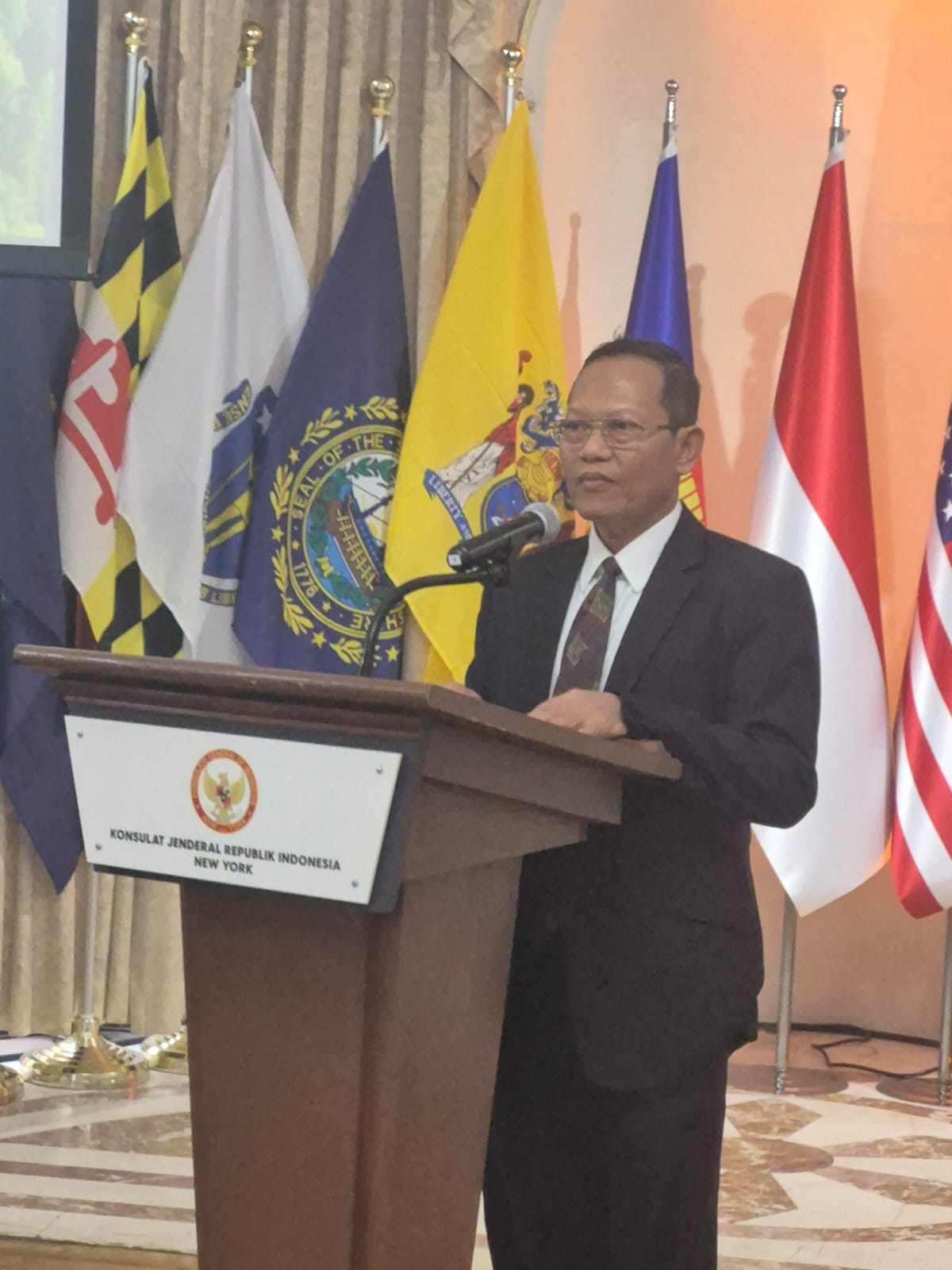
Enviro News Asia, New York — The Indonesian government reaffirmed its commitment to developing a high-quality and high-integrity forest carbon trading system as part of efforts to strengthen Indonesia’s position in the global carbon market during the Business Forum on Carbon Market held in New York, United States, on Monday (11/5/2026).
The forum, organized as part of the United Nations Forum on Forests series of events, brought together government officials, forestry businesses, international investors, emissions trading associations, and global partners to discuss opportunities for forest carbon projects in Indonesia.
Raja Juli Antoni stated that Indonesia’s “high-quality and high-integrity” forest carbon credits are built on strong scientific foundations, transparency, measurable outcomes, and verified environmental and social benefits.
According to the minister, Indonesia is not solely pursuing the economic value of carbon trading, but is also ensuring that forest management continues to protect ecosystems, biodiversity, and the welfare of forest-dependent communities.
“Indonesia’s forests are ready to become a foundation of trust and investment for the international community,” Raja Juli Antoni said during the forum.
He explained that the government has strengthened the regulatory framework through Forestry Ministerial Regulation No. 6 of 2026 concerning carbon trading procedures through greenhouse gas emission offset mechanisms in the forestry sector.
The regulation is designed to prevent double counting, strengthen transparency through the National Registry System (SRN), and align Indonesia’s carbon market mechanisms with international standards, including global carbon integrity principles and the Article 6 mechanism under the Paris Agreement.
Director General of Sustainable Forest Management at the Ministry of Forestry, Laksmi Wijayanti, said Indonesia’s forest carbon quality is also being strengthened through the Multi-Enterprise Forestry (MUK) approach, which integrates economic, social, and environmental objectives in forest management.
“Indonesia is currently developing multi-enterprise forestry management, where carbon becomes one of several economic values that complement sustainable forest management alongside timber products, non-timber forest products, environmental services, and community economic empowerment,” Laksmi said.
Meanwhile, Chairman of the Association of Indonesian Forest Concession Holders, Soewarso, emphasized that international market acceptance will depend heavily on governance quality and the credibility of Indonesia’s carbon projects.
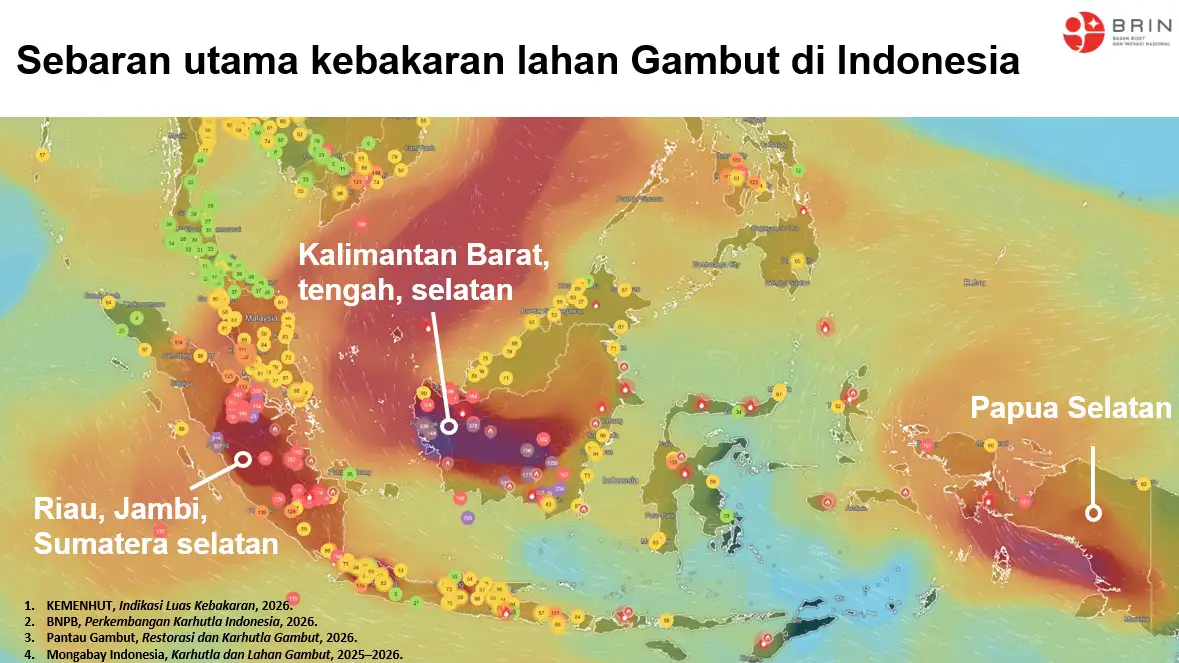
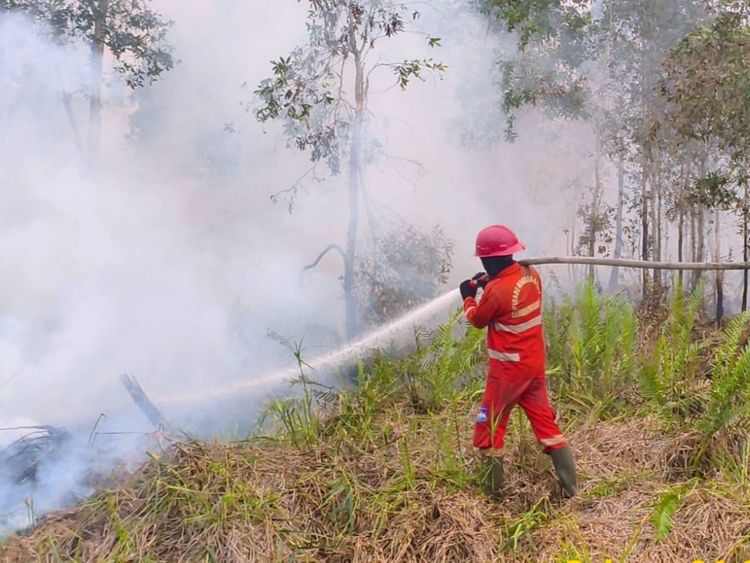
He noted that Indonesian forest carbon initiatives must demonstrate measurable contributions to emissions reduction, forest protection, peatland restoration, rehabilitation of degraded areas, and improved livelihoods for communities surrounding forest areas.
Secretary General of APHI, Purwadi Soeprihanto, added that Indonesia possesses significant potential for forest carbon development, with approximately 48.69 million hectares suitable for emission reduction projects and around 3.5 million hectares for carbon removal projects.
Through the forum, Indonesia reaffirmed that forest carbon trading is not only positioned as an economic instrument, but also as a mechanism to strengthen sustainable forest management, support the country’s FOLU Net Sink 2030 target, improve community welfare, and contribute to global climate mitigation efforts. (*)