Enviro News Asia, Manila — The Climate Change Commission has urged local government units across the Philippines to submit proposals for the People’s Survival Fund (PSF), a national financing mechanism designed to support climate adaptation projects and strengthen resilience in vulnerable communities.
The call followed an announcement from the Department of Finance, which chairs the PSF Secretariat, that concept notes for funding applications will be accepted until 29 May 2026. Local governments with limited technical capacity are allowed to submit brief project summaries that may later qualify for full proposal development.
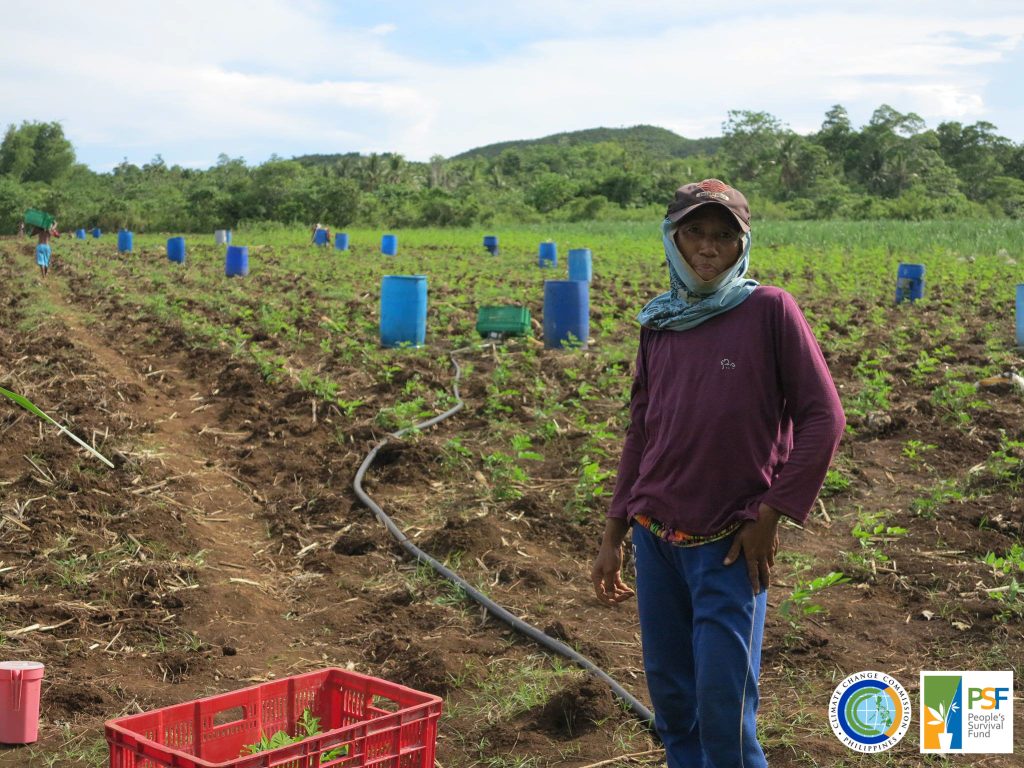
The PSF provides dedicated financial support for climate adaptation initiatives that go beyond the regular budget capacity of local governments. The fund is intended to help communities respond to climate-related threats such as flooding, drought, sea level rise, and extreme rainfall through targeted and science-based interventions.
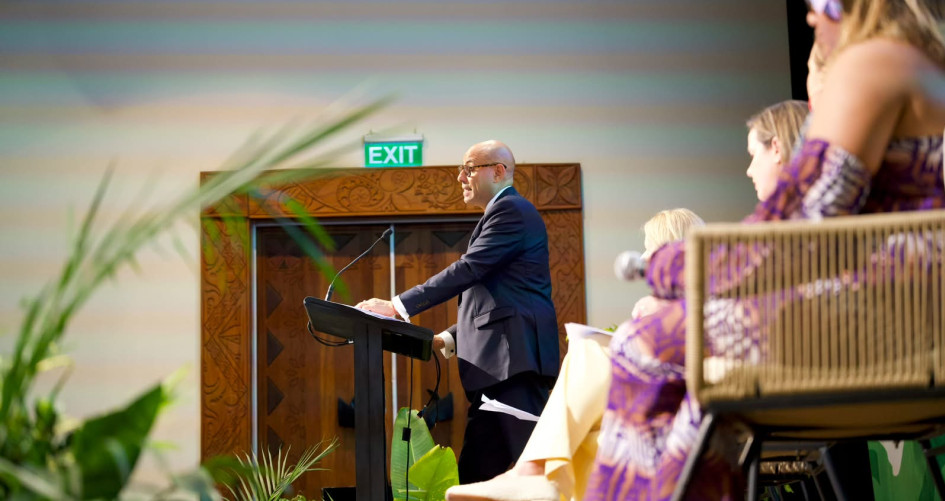
Vice Chairperson and Executive Director of the Climate Change Commission, Robert E. A. Borje, said the fund plays a crucial role in translating climate policies into concrete action at the local level.
“The People’s Survival Fund is a critical tool to translate climate policies into concrete action on the ground. We encourage our local governments and partners to develop proposals that respond to their specific climate risks and protect their communities,” Borje said.
Under the funding scheme, eligible projects may cover sectors including water resource management, agriculture and fisheries, land management, public health, infrastructure development, and the protection of coastal and natural ecosystems.
The Climate Change Commission also continues to provide technical assistance to local governments to help them prepare bankable project proposals aligned with national climate priorities and resilience strategies.
The initiative supports the broader climate resilience agenda of Ferdinand R. Marcos Jr., which prioritizes sustainable development and stronger protection for frontline and disaster-prone communities. (*)