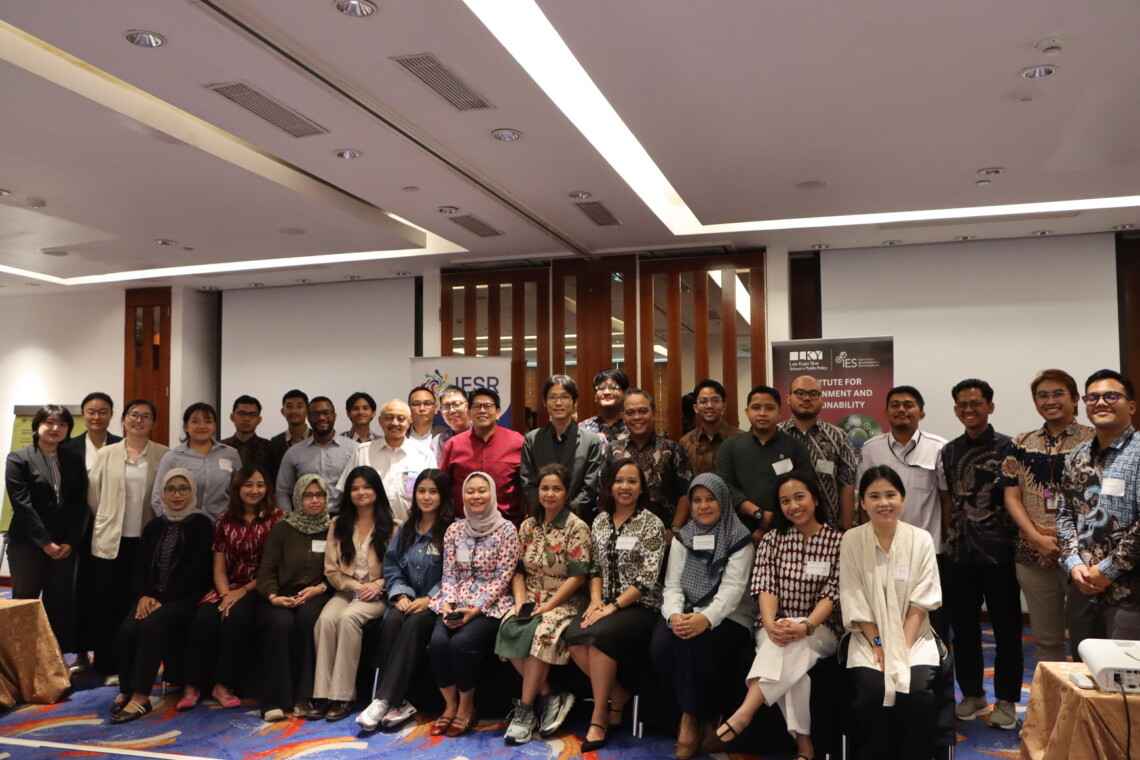
Enviro News Asia, Jakarta — The Southeast Asia Energy Transition Collaborative (SETC), a regional network of independent think tanks and civil society organizations, has reaffirmed its collective commitment to strengthening energy resilience through an accelerated and just energy transition across Southeast Asia.
In a joint statement released amid the ongoing global energy crisis, SETC highlighted that Southeast Asia remains structurally vulnerable due to its heavy dependence on fossil fuels, particularly in the electricity and transportation sectors. Geopolitical disruptions and market volatility have triggered fuel shortages, rising inflation, increasing electricity prices, and growing fiscal burdens across the region.
According to SETC, the impacts are being felt most severely by low-income households, small businesses, and energy-importing countries. Although governments have introduced emergency measures such as subsidies, tax adjustments, and short-term demand management, the network emphasized that tactical interventions alone are insufficient to ensure long-term energy resilience.
SETC stressed that energy resilience and energy transition must be viewed as inseparable policy objectives. Reducing dependence on volatile fossil fuel markets, the organization stated, requires accelerated renewable energy deployment, improved energy efficiency, and stronger regional cooperation.
The organization noted encouraging developments across Southeast Asia, including the expansion of solar energy adoption, renewed focus on energy efficiency, and growing interest in cross-border electricity trade. These trends, according to SETC, demonstrate that the current crisis can serve as a catalyst for future-oriented structural reform.
As part of its regional strategy, SETC continues to promote the proposed Southeast Asia Energy Transformation Initiative (SEA-ETI), which aims to bridge short-term crisis responses with long-term structural transformation of the region’s energy architecture.
SETC explained that SEA-ETI is built upon four interconnected pillars. The first pillar focuses on accelerating the deployment and integration of clean energy through renewable energy expansion, energy storage development, grid flexibility, and cross-border electricity trade under the ASEAN Power Grid framework.
The second pillar aims to position Southeast Asia as a manufacturing and trade hub for clean energy technologies by strengthening regional supply chains, promoting innovation, and supporting responsible critical mineral industries. SETC believes this strategy can reduce dependence on external energy imports while enhancing long-term energy sovereignty.
The third pillar emphasizes the need to strengthen green investment and financing mechanisms through coordinated ASEAN-level green investment platforms, broader adoption of the ASEAN Green Taxonomy, and de-risking instruments to attract private capital into clean energy projects.
Meanwhile, the fourth pillar highlights the importance of policy coordination and workforce development. SETC stressed that energy resilience depends not only on supply-side investments, but also on energy efficiency, behavioral change, institutional coordination, and inclusive social policies that support vulnerable communities during the transition process.
Based on collective analysis and country experiences across the region, SETC identified four shared priorities: accelerating renewable energy development, improving energy efficiency and demand-side measures, protecting vulnerable groups through equitable energy policies, and strengthening regional cooperation in electricity interconnection, planning coordination, and data transparency.
SETC stated that the current energy crisis represents a defining moment for Southeast Asia. Despite the challenges, the crisis also provides an opportunity for the region to build a more resilient, affordable, and sustainable energy future.
The network reaffirmed its commitment to working closely with governments, ASEAN institutions, and stakeholders across the region to transform the current crisis into long-term energy transformation and sustainable development. (*)